


A Times Square allegation that tests the modern fast-food social contract
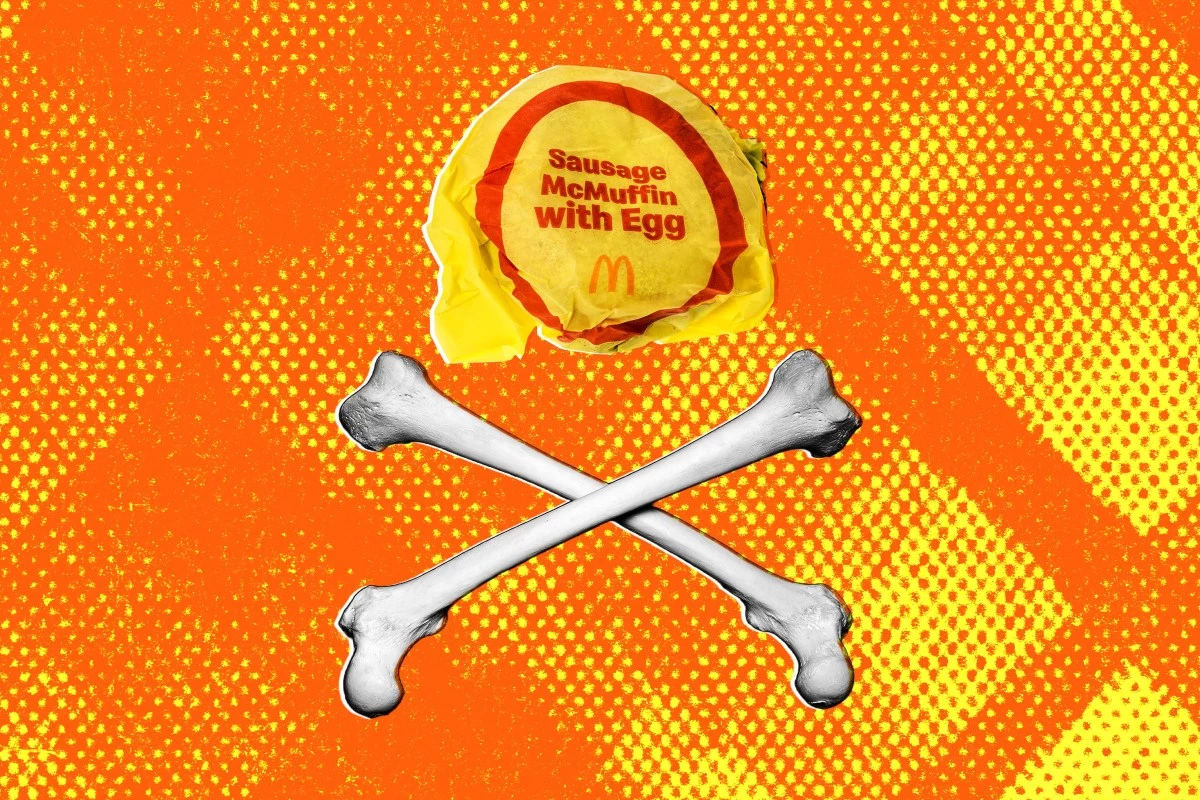
A lawsuit filed in late May 2024 by Texas resident Yvette Hinds against McDonald’s places a familiar consumer expectation—fast, consistent, safe food—under an unusually bright spotlight. Hinds alleges that a sausage McMuffin with egg purchased at a Times Square location in 2023 contained pathogens and contaminants, leading to “serious and permanent” physical, nervous, and mental injuries. The complaint describes violent illness, nausea, systemic pain, and a medical journey involving multiple operations and treatments, alongside substantial past and projected expenses.
McDonald’s has not yet formally responded in the public record referenced here, and no specific medical diagnosis has been disclosed. That absence matters: foodborne illness litigation often turns on the hard-to-reconcile gap between individual experience and forensic proof—what a consumer reports versus what can be demonstrated through medical documentation, product testing, and supply-chain evidence.
This case also arrives amid a broader pattern of legal claims targeting quick-service restaurants, including a recent allegation by a Brooklyn pastor that a spoiled sandwich caused a prolonged stomach ailment. Whether or not any individual claim ultimately prevails, the cumulative effect is clear: the industry is entering a phase where food safety is being re-litigated as a brand promise, not merely a compliance requirement.
—
Liability in the age of traceability: where the case will likely turn
At the center of disputes like this is a deceptively simple question: what happened between supplier and customer? In a high-volume environment—especially in a dense, high-turnover retail hub like Times Square—answering that question requires more than policy manuals and training logs. It requires high-integrity data.
Key operational and evidentiary pressure points include:
- Ingredient provenance and batch linkage
The ability to connect a specific breakfast sandwich to specific lots of eggs, sausage, cheese, and packaging can determine whether a claim becomes a one-off allegation or a traceable event with broader implications.
- Cold-chain integrity and time-temperature exposure
Many contamination and spoilage pathways are not dramatic “foreign object” scenarios; they are incremental failures—temperature drift, extended holding times, or handling lapses—that become visible only when data is granular and continuous.
- In-store handling and process compliance
Even when upstream suppliers perform well, risk can be introduced at the restaurant level through cross-contamination, sanitation breakdowns, or deviations from cook/hold procedures.
This is where technology shifts from efficiency tool to liability shield. Legacy systems—manual logs, fragmented vendor records, and after-the-fact incident reporting—tend to produce data gaps that are costly in court and corrosive in public perception. By contrast, next-generation approaches can create a defensible chain of custody:
- IoT-enabled cold-chain sensors for real-time monitoring of storage and transport conditions
- Digitized HACCP-style controls that timestamp checks and reduce “paper compliance”
- Distributed-ledger or blockchain-style traceability to improve auditability and reduce disputes over record integrity
The strategic point is not that technology prevents every incident; it’s that it can materially improve time-to-detect, time-to-isolate, and confidence in root-cause analysis—all of which influence legal exposure and reputational outcomes.
—
Automation, AI inspection, and the new baseline for “reasonable care”
As litigation and regulatory scrutiny rise, the definition of “reasonable” food safety practices is quietly evolving. What was once considered best-in-class may soon be viewed as merely adequate—especially if competitors adopt systems that demonstrably reduce risk.
Emerging tools reshaping operational expectations include:
- Machine-vision quality checks
Automated visual inspection—enhanced by AI—can flag packaging defects, foreign bodies, or spoilage indicators before products reach customers. While not foolproof, these systems can reduce reliance on inconsistent human inspection during peak service periods.
- Back-of-house integration with point-of-sale (POS)
When kitchen workflows, holding times, and product disposal are digitally linked to POS demand signals, restaurants can reduce the probability of serving items that have exceeded safe thresholds.
- AI-driven anomaly detection
Predictive models can correlate supplier performance, environmental factors, logistics disruptions, and in-store deviations to identify higher-risk windows—triggering intensified testing, targeted disposal, or temporary sourcing adjustments.
If the Hinds case proceeds into deeper discovery, one underappreciated dimension will be whether McDonald’s (and peers) can demonstrate not only that they have standards, but that they have systems capable of proving adherence. In an era of ubiquitous sensors and analytics, courts, regulators, and juries may increasingly expect companies to know more—because they can.
—
Strategic fallout: insurance, brand equity, and the coming regulatory squeeze
Even before verdicts are reached, the business implications of recurring food-safety claims can compound. The most immediate pressure often appears in:
- Legal reserves and insurance premiums
As claim frequency rises, insurers recalibrate risk. This can push large chains toward higher premiums, tighter exclusions, or alternative structures such as parametric insurance tied to measurable contamination-event triggers.
- Brand trust in a viral media environment
A single allegation can travel faster than any corrective statement. Brands that can offer transparent verification—third-party audits, QR-linked batch data, or publicly reported safety metrics—may better contain reputational spillover.
- Supply-chain consolidation and vertical integration
To reduce variability and improve oversight, major quick-service brands may deepen partnerships or acquire upstream capabilities in processing, packaging, or logistics. The trade-off is higher CAPEX, but the payoff is tighter control over quality and fewer blind spots.
Overlaying all of this is a regulatory trajectory pointing toward mandatory digital traceability in higher-risk categories, with U.S. guidance revisions anticipated in 2025 and parallel tightening signals internationally. The direction of travel is unmistakable: food safety is becoming a data discipline as much as a sanitation discipline.
For McDonald’s, the Hinds lawsuit is not just a legal dispute over one breakfast sandwich; it is a stress test of how convincingly a global quick-service leader can demonstrate end-to-end control in a world where consumers, regulators, and litigators increasingly treat traceability, automation, and rapid incident response as the price of doing business.

 By
By


 By
By
 By
By

 By
By
 By
By







