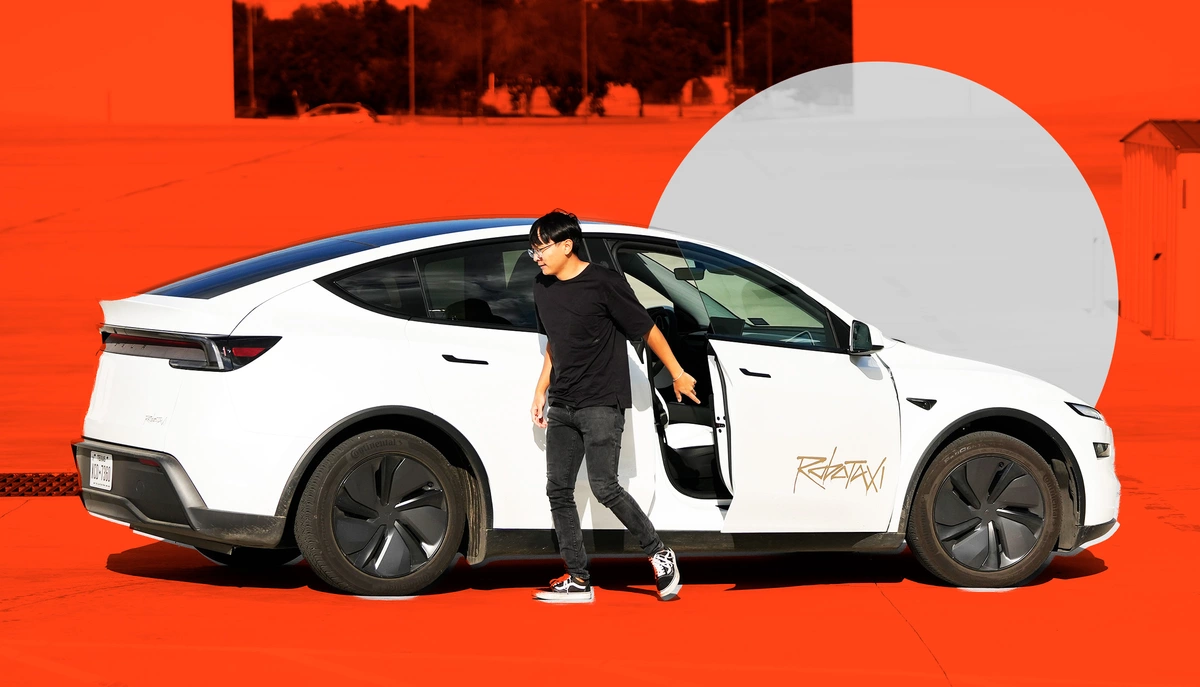

The Collision of Ambition and Regulation: Tesla’s Robotaxi Gambit
Elon Musk’s audacious promise to unleash a Tesla robotaxi network in the Bay Area was, in many ways, classic Silicon Valley theater—a vision pitched ahead of the curve, designed to galvanize investors and outmaneuver rivals. Yet, as the regulatory tide turns, the chasm between aspiration and operational reality has rarely been more exposed. The ensuing scrutiny from the National Highway Traffic Safety Administration (NHTSA) and California’s transportation authorities has transformed what might have been a triumphant product launch into a revealing stress test of the “permissionless innovation” ethos that once defined the tech sector.
Regulatory Red Lines and the End of Grey Zones
Tesla’s decision to forgo the customary regulatory pre-briefings—an established rite among competitors like Waymo and Zoox—was more than a procedural misstep. It was a calculated gamble on regulatory ambiguity, one that quickly unraveled. By seeking to operate under a limousine charter permit, Tesla attempted a subtle form of regulatory arbitrage, sidestepping the explicit “autonomous vehicle” label and its attendant oversight. The California Public Utilities Commission (CPUC), now acutely sensitive after high-profile incidents and the abrupt shuttering of Cruise’s operations, responded with a swift clampdown. The demand: rides must be clearly labeled as non-autonomous if supervised by a human.
This episode signals a broader shift. Regulators, once content to let innovation outpace statute, are now drawing sharper boundaries. Should the NHTSA determine that Tesla’s autonomy claims constitute deceptive safety messaging, it could set a precedent that brings marketing and user-interface design under the umbrella of federal motor-vehicle safety law. The era of semantic latitude is closing, replaced by an insistence on technical specificity and transparent consumer communication.
The Reality of Autonomy: Technology’s Uneven Maturity
Beneath the surface, the technical reality of Tesla’s Full Self-Driving (FSD) platform lags behind its market-facing narrative. The continued reliance on in-vehicle safety monitors in pilot programs—an unmistakable marker of Level 2+/Level 3 autonomy—stands in stark contrast to the Level 4 capabilities that define a true robotaxi. Tesla’s “Vision” approach, which eschews lidar and radar in favor of a camera-only sensor suite, may offer cost advantages, but it also limits redundancy and the ability to handle rare, safety-critical edge cases.
Competitors such as Waymo, with their multi-modal sensor arrays and disciplined safety-case engineering, are converging on far lower disengagement rates. Regulators, increasingly skeptical of raw mileage as a safety metric, are now focused on edge-case density—the rare scenarios that challenge even the most advanced perception stacks. In this climate, the sheer volume of Tesla’s on-road data is no longer a sufficient proxy for readiness.
Economic Stakes and Strategic Calculus in the Race for Autonomy
The economic narrative surrounding robotaxis is as dynamic as the technology itself. For Tesla, the robotaxi promise underpins a vision of high-margin, software-driven revenue streams—an essential story as electric vehicle demand softens and capital costs rise. Yet, each mile driven with a human safety operator transforms potential SaaS-like margins into labor-intensive service costs, echoing the low-margin realities of traditional ride-hailing.
In contrast, scale players like Waymo and Cruise benefit from deep-pocketed backers, affording them the runway to absorb regulatory delays and invest in costly safety infrastructure. Tesla, meanwhile, must self-fund its autonomy ambitions while simultaneously scaling battery production and new vehicle platforms—a delicate balancing act that intensifies the pressure to deliver near-term results.
Strategically, Tesla’s ambiguity—refusing the formal “autonomous vehicle” label while capturing the brand halo of autonomy—mirrors early Uber tactics. But the risk is mounting: repeated over-promises threaten to erode credibility with regulators, investors, and insurance partners, potentially inviting stricter standards that could disadvantage Tesla’s camera-only approach.
Navigating the Road Ahead: Implications for Industry Leaders
The Tesla robotaxi episode is more than a company-specific controversy; it is a bellwether for the next phase of autonomous mobility. Several imperatives are now clear:
- Regulatory Alignment: Enterprises must build explicit compliance pathways into their autonomy roadmaps, as regulatory tolerances for ambiguity are vanishing.
- Technical Rigor: Multi-sensor redundancy and formal safety-case engineering are emerging as baseline requirements for approval and public trust.
- Economic Realism: The path to profitable autonomy will favor those able to amortize R&D across multiple verticals and geographies, not single-market plays.
- Strategic Patience: Near-term deployments will likely focus on tightly geofenced, highly-mapped zones with robust tele-operations—an intermediate step on the way to Level 4.
For decision-makers, the lesson is unmistakable: technical bravado must now be matched by regulatory acumen and capital discipline. As the landscape codifies, the winners will be those who harmonize innovation with transparency, safety, and sustainable economics—a reality that Fabled Sky Research and other industry observers will be watching closely. The race for autonomy is no longer a sprint for headlines, but a marathon through the intricate terrain of policy, technology, and trust.

 By
By

 By
By
 By
By
 By
By
 By
By