

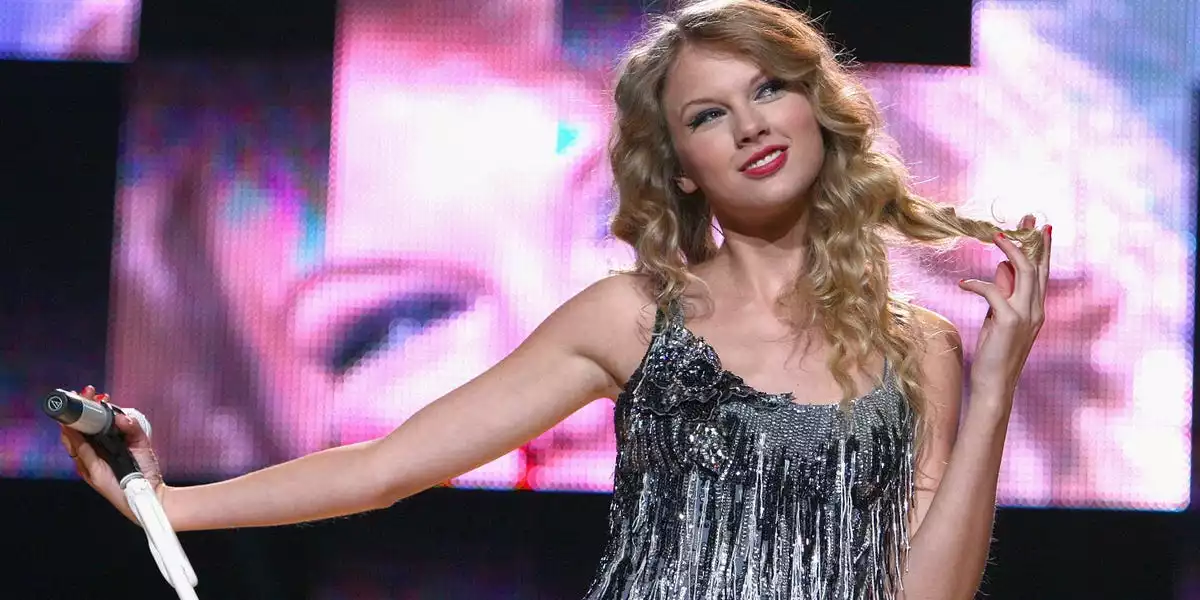

The Architect of Modern Music: Taylor Swift’s Blueprint for the Creator Economy
Taylor Swift’s evolution from a teenage prodigy to a multimedia billionaire is more than a personal triumph—it is a seismic reimagining of the music industry’s value chain. The release of her 12th studio album, “The Life of a Showgirl,” and the record-breaking $1 billion-plus “Eras Tour” have not only shattered entertainment records but also redefined the economics of intellectual property, live events, and cross-platform monetization. Swift’s fourth Album of the Year Grammy cements her as both a cultural and commercial juggernaut, but the deeper story lies in the sophisticated business model she has pioneered—one that fuses IP ownership, data-driven engagement, and experiential consumption into a formidable new template for the creator economy.
Rights, Revenue, and the Vertical Integration of Stardom
Swift’s decision to re-record her first six albums was not merely an act of artistic reclamation; it was a masterstroke of vertical integration. By transforming a contractual vulnerability into a high-margin asset refresh, she engineered what could be termed an “IP rollover”—devaluing legacy masters, redirecting streaming revenue, and extending the commercial life of her catalog. This maneuver mirrors the direct-to-consumer strategies seen in the film and television industries, where studios seek to capture lifetime value by launching their own platforms. Swift has effectively constructed a micro-studio around her brand, insulating future cash flows from traditional gatekeepers and offering a replicable model for artists seeking leverage in a platform-dominated era.
The “Eras Tour,” meanwhile, has elevated live music into the financial stratosphere, rivaling the gross receipts of global sporting events and mega-conventions. Dynamic pricing, VIP experiences, and a robust secondary ticket market have transformed concerts into highly financialized, experiential assets. Cities hosting the tour have reported spikes in hotel occupancy and transient tax revenue, reframing concerts as catalytic infrastructure projects. This invites a new era of public-private partnerships, with municipalities vying for anchor events much as they do for data centers or major sporting tournaments.
Swift’s foray into cinema distribution, bypassing traditional studios to partner directly with AMC, further underscores her willingness to challenge industry orthodoxy. By negotiating a generous revenue share and compressing release windows, she delivered the highest-grossing concert film in history. This alt-window strategy hints at a future where cinema chains reposition themselves as distributors of premium, event-driven content—spanning music, gaming, and influencer-led experiences—to buffer against box office volatility.
Data, Platforms, and the New Moats of Fan Engagement
At the heart of Swift’s business model lies a sophisticated data flywheel. Real-time social listening and first-party e-commerce analytics inform everything from setlist curation to geo-targeted merchandise drops, creating a feedback loop that streaming platforms cannot easily replicate. Her direct control over fan data stands in stark contrast to the label-centric approaches of the past, positioning data sovereignty as a decisive competitive edge in the creator economy.
Yet, even as Swift commands a disproportionate share of streaming traffic, the disparity between streaming payouts and touring income exposes a structural imbalance in the industry. Her scale obscures the fragility faced by mid-tier artists, pressuring digital service providers to experiment with alternative compensation models—user-centric or engagement-weighted—to stave off regulatory intervention.
Social platforms like TikTok, Instagram, and X have become narrative infrastructure for Swift, amplifying her controlled leaks and “Easter egg” marketing. Superfans become organic distribution nodes, reducing customer acquisition costs and generating reach that rivals the paid media budgets of Fortune 100 brands. This narrative depth, rather than mere reach, has become the true currency of conversion.
Cross-Industry Linkages and Strategic Lessons for Decision-Makers
Swift’s cultural influence now extends beyond music, catalyzing cross-demographic surges in NFL viewership through her relationship with Travis Kelce. This convergence of sports and entertainment points toward a future of hybrid sponsorships, where cultural capital and IP drive media rights valuation as much as athletic performance.
Her limited-edition vinyl and tiered merchandise drops function as inflation-resistant passion assets, offering brands in fashion and luxury a roadmap for scarcity-driven demand amid macroeconomic uncertainty. Meanwhile, Swift’s advocacy for artist empowerment aligns with the ESG priorities of millennial and Gen-Z investors, signaling that music labels may soon face governance pressures akin to those reshaping manufacturing supply chains.
For platform owners and DSPs, the new normal will involve heightened negotiation with marquee artists demanding equity and bespoke payout formulas. Venue operators must harness predictive analytics to optimize ancillary revenue, while municipalities may deploy incentive regimes to attract mega-tours. Media exhibitors, inspired by the success of concert films, are likely to experiment with bundled revenue-share partnerships for a new slate of event-driven content.
Music-rights funds and asset managers must rethink valuation models that prioritize catalog income over live-event resilience. Hybrid portfolios combining IP with experiential infrastructure may well outperform traditional strategies, as the locus of value shifts from passive streaming to active engagement.
Taylor Swift’s current cycle is not just a cultural phenomenon but a living case study in full-stack content entrepreneurship. Her command of rights, data, narrative, and distribution offers both a blueprint and a challenge for incumbents across entertainment, technology, and consumer sectors. Those who internalize these lessons will be best positioned to navigate the coming wave of platform disruption and the rising tide of experiential demand—a future that, as Fabled Sky Research would note, is already being written in real time.

 By
By
 By
By

 By
By
 By
By


 By
By







