


The Age of Synthetic Continuity: De-Aging Technology and the New Hollywood Playbook
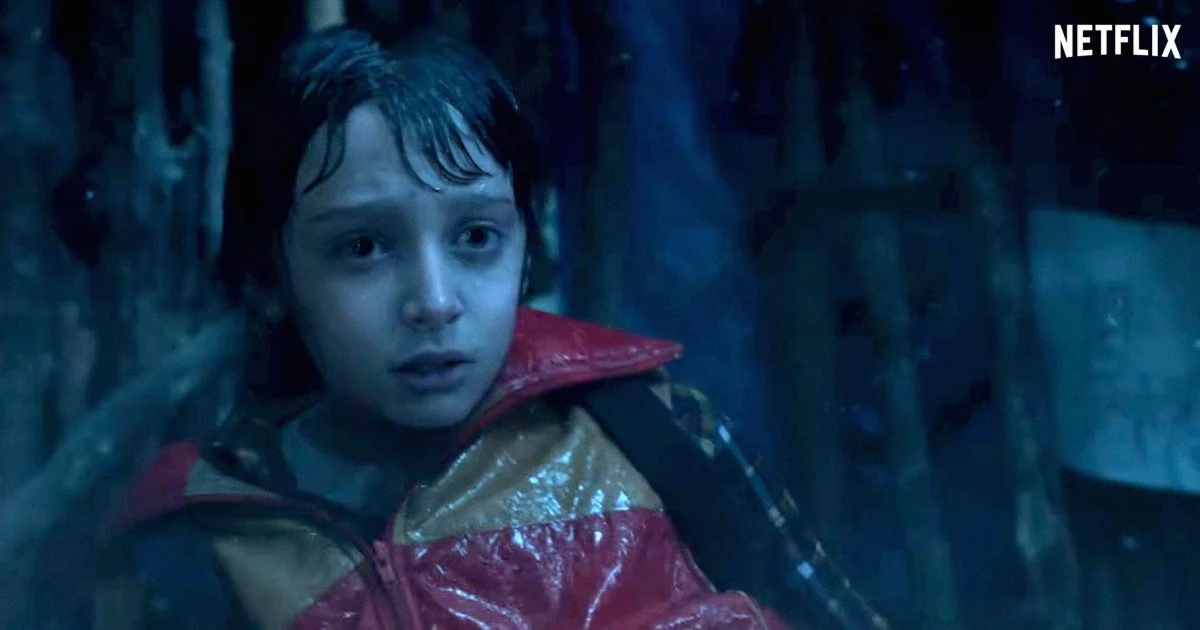
When the fifth and final season of Netflix’s “Stranger Things” premiered, audiences were greeted by a familiar face rendered unfamiliar: Noah Schnapp, now 21, appearing as his 10-year-old self. This was not a trick of memory or nostalgia, but the handiwork of Lola VFX, whose digital de-aging pipeline, powered by a blend of machine learning and high-resolution photogrammetry, has quietly redefined the boundaries of visual storytelling. The implications ripple far beyond Hawkins, Indiana, signaling a tectonic shift in how the entertainment industry conceives of talent, narrative, and intellectual property.
Machine Learning Meets Hollywood: The Evolution of De-Aging Pipelines
The artistry of digital face replacement is not new, but its recent transformation is unmistakable. What began as painstaking, frame-by-frame “2.5-D” compositing has matured into a semi-automated, AI-infused workflow. Today’s process leverages:
- GAN-based texture regeneration for photorealistic skin and facial features,
- Automated facial-motion transfer to synchronize expressions between body doubles and principal actors,
- Cloud-burst GPU rendering that democratizes access to high-end effects, once the sole domain of blockbuster budgets.
Each season of “Stranger Things” has seen the manual labor of rotoscoping dwindle, replaced by machine learning models trained on terabytes of facial data. The result is a level of authenticity that edges ever closer to the uncanny precipice—where “synthetic continuity” becomes not just possible, but narratively seamless. Studios can now lock an actor’s appearance at any age, resurrecting it as storylines demand, and even porting these assets into emerging realms like volumetric capture and neural radiance fields.
Economic Realities and the New Asset Class of Likeness
This technological leap is not without its price tag. Digital de-aging adds millions to production budgets, but for Netflix, the calculus is clear:
- Subscriber retention for flagship franchises,
- Avoided costs from script rewrites or recasting,
- Evergreen monetization through merchandise, games, and theme-park experiences.
Yet the true economic innovation lies in the treatment of an actor’s likeness as a durable asset. The 2023 SAG-AFTRA labor dispute thrust digital likeness rights into the spotlight, moving perpetual consent and residuals from edge-case to industry standard. Studios now negotiate for the right to deploy an actor’s visage across decades and formats, transforming what was once ephemeral into a persistent, monetizable entity.
Specialist vendors like Lola VFX, occupying the intersection of boutique artistry and scalable AI infrastructure, are poised to become acquisition targets as larger post-production houses race to absorb machine learning expertise. The vendor landscape is consolidating, and those who can iterate rapidly while maintaining creative fidelity will command a premium.
Strategic Horizons: Franchise Longevity and the Data-Centric Content Engine
For content platforms, the strategic implications are profound. De-aging is not merely a visual effect; it is a form of franchise insurance. By decoupling character continuity from the biological clock of child actors, studios can plot multi-arc sagas with newfound agility. This reduces narrative friction and insulates against audience churn in a streaming ecosystem where attention is the scarcest currency.
The rise of digital doubles and AI-assisted storyboarding signals a shift toward a vertically integrated, data-centric production model. Every on-set capture, every facial scan, becomes part of a reusable “data exhaust” that can fuel sequels, marketing assets, and interactive spin-offs. The result is a content engine that is both more agile and more capital efficient, aligning with Wall Street’s demand for margin expansion in a high-interest-rate environment.
Yet this power comes with new responsibilities. Excessive reliance on synthetic performances risks alienating both talent and audiences, making transparent governance and ethics boards not just a compliance checkbox, but a brand differentiator. Studios must also navigate a tightening regulatory landscape, as the EU AI Act and U.S. deepfake disclosure bills introduce new requirements for watermarking, consent tracking, and auditability.
The Competitive Edge: Building the Future of Digital Talent
As the line between actor and avatar blurs, the most forward-thinking studios will:
- Secure comprehensive digital likeness rights while instituting robust ethical oversight,
- Invest in AI-native VFX pipelines—whether through partnerships, minority stakes, or in-house development,
- Diversify monetization by deploying “living” character assets across VR, gaming, and branded content,
- Monitor audience sentiment with sophisticated A/B testing to calibrate creative risk,
- Align early with policy shifts to preempt regulatory headwinds.
Netflix’s latest foray into digital de-aging is not simply a technical marvel—it is a strategic blueprint for a future where narrative, technology, and economics are inextricably linked. Studios that embrace this paradigm, balancing innovation with governance, will define the next era of global storytelling.

 By
By
 By
By
 By
By
 By
By

 By
By
 By
By







