

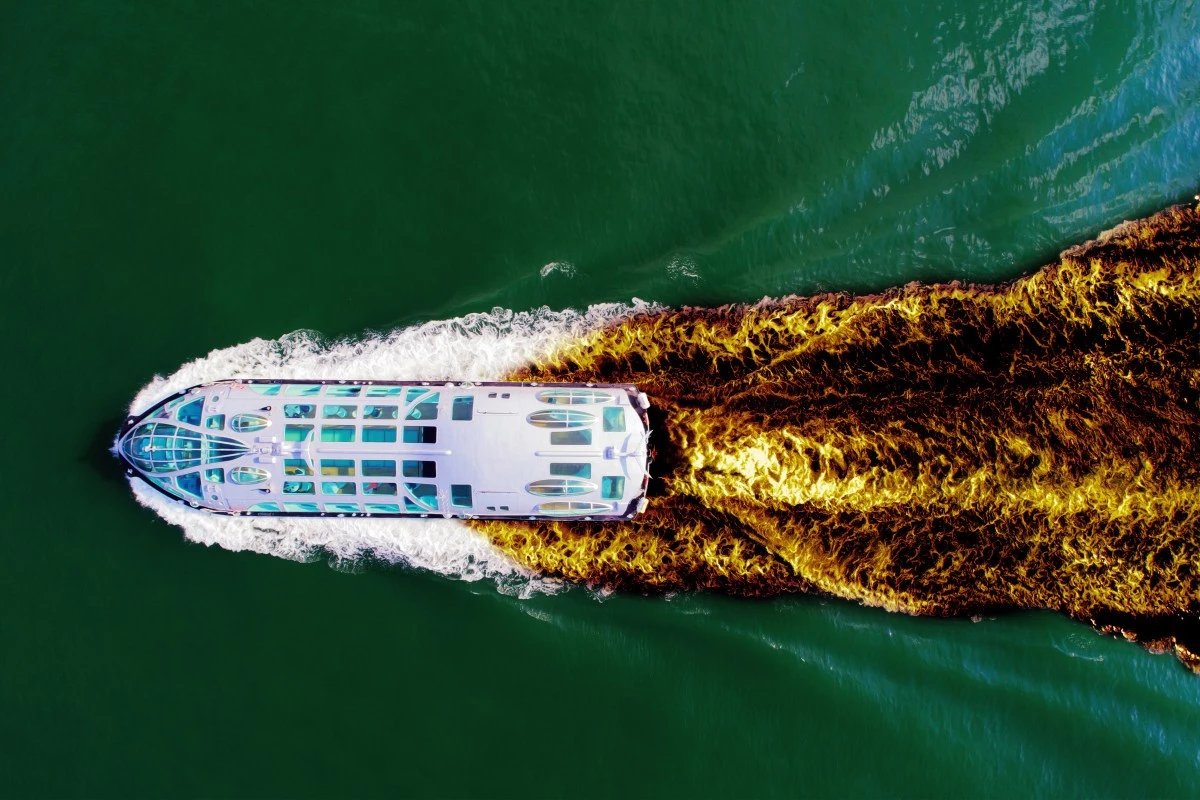

A contained outbreak that still reverberates across the cruise economy
Princess Cruises’ Star Princess faced a significant norovirus outbreak during a two-week Caribbean itinerary that departed Fort Lauderdale on March 7. By day seven, 141 passengers and 52 crew members reported acute gastrointestinal illness—an operational stress test that, while not unprecedented in cruising, remains uniquely disruptive because norovirus spreads efficiently in dense, shared environments.
The onboard response followed the familiar playbook: isolation of symptomatic individuals, collection of diagnostic samples, and ship-wide disinfection protocols. Passenger accounts describing frequent cleaning of high-touch surfaces suggest the crew moved quickly and visibly—an important factor in maintaining order and confidence when illness becomes part of the onboard narrative.
Yet the broader signal is harder to ignore. With 22 maritime norovirus outbreaks recorded in 2025 versus 18 in 2024, the Star Princess incident reads less like an anomaly and more like a reminder that cruise operations still carry persistent public-health vulnerabilities. For an industry that sells carefree leisure at scale, outbreaks are not only medical events—they are brand events, revenue events, and increasingly, technology strategy events.
Why norovirus keeps winning at sea: surveillance gaps and the limits of manual hygiene
Norovirus is notoriously contagious, resilient on surfaces, and difficult to fully contain once transmission accelerates. Cruise ships amplify these characteristics: shared dining venues, high-touch railings and elevator panels, close-quarters entertainment, and rapid passenger mixing across decks. Even strong cleaning regimens can struggle when detection is late or incomplete.
The Star Princess timeline—substantial case counts by day seven—highlights a central operational challenge: the gap between infection emergence and actionable detection. Many cruise health protocols still rely heavily on self-reporting and episodic checks, which can lag behind real transmission dynamics.
From a business-and-technology lens, three capability areas stand out:
- Real-time health monitoring and early anomaly detection
Continuous surveillance does not have to mean intrusive medicalization, but it does require better signals. Options include wearable-enabled symptom prompts, digital check-ins, or cabin-based environmental monitoring that flags unusual patterns (for example, clusters of reported nausea or requests for medical supplies). Earlier detection enables targeted interventions—cleaning, food-service adjustments, or localized isolation—before ship-wide escalation.
- Automation to reduce variability in sanitization execution
Manual disinfection is essential but labor-intensive and subject to human inconsistency, especially during peak operational hours. Technologies such as UV-C disinfection robotics and electrostatic sprayers—integrated with IoT-based scheduling and verification—can standardize coverage, document completion, and reduce downtime. The strategic value is not replacing crew, but making outcomes more repeatable under pressure.
- Data integration and predictive analytics for contagion pathways
Cruise lines already generate extensive operational data: passenger movement patterns, dining reservations, housekeeping logs, water quality metrics, and port-of-call schedules. When unified into an analytics layer, these datasets can help model likely transmission routes, optimize staff deployment, and forecast risk based on port-level disease prevalence and onboard behavioral patterns. The competitive edge lies in moving from reactive containment to predictive prevention.
The financial stakes: bookings, insurance, and the emerging “health premium”
Gastrointestinal outbreaks carry a direct cost—medical response, cleaning, operational disruption—but the more durable impact is often commercial. The cruise purchase decision is emotionally driven and reputation-sensitive; even a well-managed incident can shape perceptions for months.
Key economic dynamics include:
- Revenue risk and yield pressure
Outbreak headlines can suppress near-term demand, reduce onboard spending, and increase compensation costs (credits, refunds, or goodwill gestures). For an industry optimized around high occupancy and ancillary revenue, even modest demand softness can affect net yields.
- Insurance and liability exposure
Recurrent incidents can influence insurers’ views of operational risk, potentially raising premiums, deductibles, or compliance requirements. This becomes a CFO-level issue: health resilience starts to look less like discretionary spending and more like balance-sheet protection.
- Brand differentiation through verifiable health safety
Post-pandemic travelers increasingly evaluate “cleanliness” as a product feature, not a background assumption. Operators that can demonstrate superior protocols—supported by auditable data, transparent reporting, and measurable performance—may be positioned to command a health premium in pricing and loyalty. The differentiator is credibility: visible cleaning helps, but verifiable systems help more.
- Capital allocation trade-offs
Investments in monitoring infrastructure, robotics, and analytics compete with spending on new ships, entertainment, and amenities. The strategic question is whether health technology is treated as a cost center or as an enabler of demand stability—particularly as outbreaks become a recurring industry headline rather than a rare shock.
The strategic pivot: from reactive containment to “managed health environments at sea”
The most forward-leaning implication of the Star Princess outbreak is not simply “clean more,” but “operate differently.” Cruise lines that treat public health as a core operating system—supported by technology, partnerships, and governance—may reshape competitive positioning.
Several strategic moves appear increasingly rational:
- A health-first value proposition that frames cruising as a managed health environment, pairing leisure with services such as telemedicine, contactless delivery, and rapid-response protocols that encourage early reporting rather than concealment.
- Strategic partnerships with biotech firms, telehealth providers, and robotics specialists to accelerate capability building—especially for early-warning pathogen detection and standardized disinfection.
- Centralized fleet oversight, such as a “health command center” staffed with epidemiology and data science expertise, enabling cross-ship learning and faster, more consistent incident response.
- Proactive regulatory engagement with bodies such as the CDC and industry consortiums to help shape standards that are scalable and technology-enabled—turning compliance into a competitive advantage rather than a constraint.
- New revenue models like optional wellness subscriptions (testing access, telemedicine, upgraded accommodations) that both monetize health services and incentivize timely symptom disclosure.
The Star Princess episode underscores a reality the industry already knows but cannot afford to normalize: norovirus is not only a medical challenge—it is a systems challenge. The cruise operators that win the next decade are likely to be those that treat health security as a measurable, engineered capability—one that protects guests, stabilizes revenue, and turns operational resilience into a market signal passengers can trust.


 By
By
 By
By
 By
By

 By
By
 By
By







