


The Vanishing Commons: How Generative AI is Unraveling the Fabric of Developer Knowledge
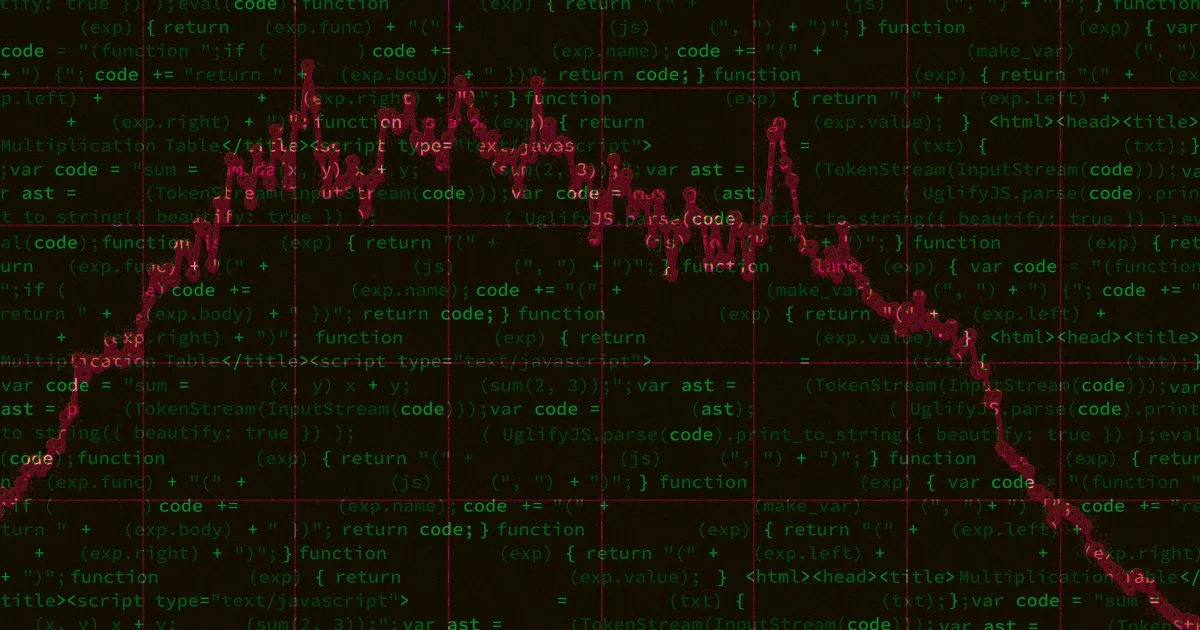
Stack Overflow, once the bustling agora of global software development, now stands as a cautionary tale in the age of generative AI. The platform’s collapse in user participation—monthly questions plummeting from 100,000 to a mere 3,600 in under three years—signals not just a shift in where programmers seek answers, but a deeper transformation in the architecture of collective expertise. As conversational AI copilots become ubiquitous, the very repositories that trained them are left hollow, raising profound questions about sustainability, provenance, and the future of digital knowledge.
Disintermediation and the Data Feedback Loop
At the heart of this transformation lies the relentless efficiency of large language models (LLMs). Where once a developer would navigate Stack Overflow’s intricate threads—absorbing not just solutions, but the collective reasoning of a global community—today’s AI copilots compress this journey into seconds. The conversational interface, powered by retrieval-augmented generation (RAG), has rendered the old “switching cost” advantage obsolete. No longer must users weigh the friction of searching, posting, and waiting for human replies; the AI’s response is instant, context-aware, and—at least superficially—authoritative.
Yet, this convenience masks a looming crisis. LLMs, for all their prowess, are only as current as their training data. As Stack Overflow’s content stagnates, the risk of “data entropic decay” grows: model accuracy plateaus, and the freshness of insights wanes. This dynamic creates a paradoxical dependency—AI engines siphon demand from human Q&A ecosystems, but are themselves sustained by the very knowledge they erode. Without continual ingestion agreements or licensed micro-feeds of up-to-date code snippets, future AI iterations risk irrelevance.
Meanwhile, Stack Overflow’s own attempts to stem the tide—partnerships with OpenAI, the rollout of “AI Assist”—have done little to reverse the decline. Rigid moderation and punitive duplicate-question policies, once lauded for preserving quality, now clash with developers’ expectations of frictionless, dialogic support. The platform’s human-centric gatekeeping, optimized for archival integrity, struggles to scale against algorithmic mediation that can adapt tone and expertise at machine speed.
Economic Disruption and the Battle for Data Sovereignty
The collapse of Stack Overflow’s two-sided market reveals the fragility of platforms built on user-generated content. Advertiser and enterprise subscription revenues, once buoyed by a steady stream of questions and answers, now face a liquidity crisis. The pivot toward B2B SaaS—Teams, Collectives—pits Stack Overflow against hyperscalers like Microsoft and GitHub, whose integrated DevOps suites and AI copilots command enterprise loyalty and wallet share.
A new frontier has emerged: data-licensing arbitrage. Platforms that once gave away their data now re-price it as premium fuel for AI training, echoing recent moves by Reddit and X (Twitter). The market bifurcates—open-license content of uncertain provenance versus “clean-room” data lakes that command premium licensing terms. For AI vendors, acquiring or subsidizing trusted knowledge custodians becomes a strategic imperative, offering a bulwark against hallucination risk and regulatory scrutiny.
Yet, the intangible asset of community trust—once reinforced by reputation-based gamification—has eroded. Perceived toxicity and rigid moderation shrink the contributor funnel, undermining the very goodwill that made Stack Overflow a lodestar for developers. The specter of knowledge monocultures looms, as the diversity and dynamism of the commons give way to proprietary silos and algorithmic gatekeepers.
Navigating the New Knowledge Landscape
The unraveling of Stack Overflow is not merely a platform crisis but a harbinger of recursive dependencies in the AI era. Enterprises face a widening “explainability gap”: as AI copilots proliferate, the provenance of code becomes opaque, raising audit and security risks. The depletion of public forums removes a vital external validation layer, compelling CTOs to demand contractual guarantees for up-to-date, verifiable knowledge sources and to budget for human code reviews alongside AI efficiencies.
A renaissance of domain-specific guilds is on the horizon—niche forums, vendor-curated Slack and Discord servers—where access to proprietary knowledge is traded for verified identity. These micro-communities, echoing the guild structures of the pre-Web era, double as high-quality, small-batch training datasets. Technologically, the future may lie in federated, cryptographically signed knowledge graphs, where every answer possesses verifiable provenance and aligns with emerging open-science standards.
For platform operators, the imperative is clear: experiment with contributor incentives that convert passive reputation into tangible economic upside, and invest in AI-augmented moderation to reduce friction without sacrificing quality. Investors and strategists should monitor the shift from attention-at-scale to data-provenance-as-a-service, anticipating M&A activity as hyperscalers seek to shore up their model training pipelines.
Stack Overflow’s trajectory, then, is less an isolated collapse than a clarion call. The recursive interplay between generative AI and the human knowledge commons demands new incentive architectures, robust provenance controls, and a reimagining of digital trust. Those who heed this signal and adapt will shape the contours of the next software epoch.

 By
By
 By
By
 By
By

 By
By
 By
By
 By
By
 By
By







