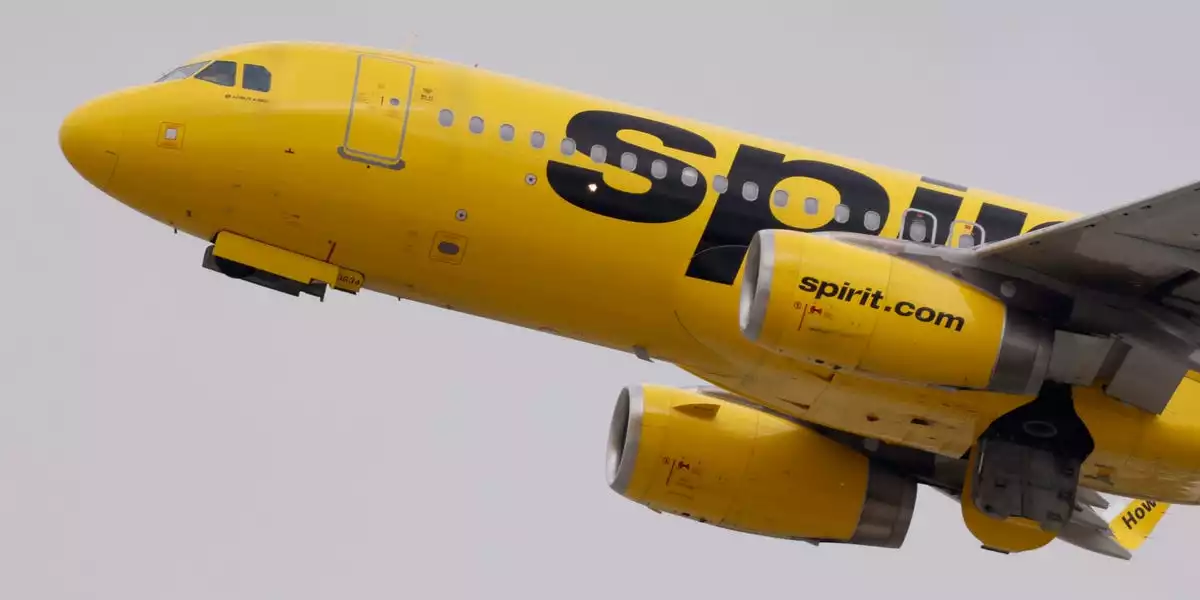

Executive Compensation and the Optics of Crisis: Spirit Airlines’ Tumultuous Descent
Spirit Airlines’ second Chapter 11 bankruptcy in less than a year has become a crucible for the tensions roiling the ultra-low-cost carrier (ULCC) sector. The company’s decision to award over $1 million apiece in pre-petition “retention” bonuses to its top four executives—most notably, $2.9 million to CEO Dave Davis—has ignited a firestorm of scrutiny. That this largesse coincides with a 45 percent collapse in Spirit’s share price and frontline wages that hover around $22.51 per flight hour reveals a stark disconnect between boardroom priorities and operational realities.
The optics are inescapable: as Spirit’s solvency erodes, its leadership insulates itself with golden parachutes, while the rank and file brace for turbulence. The move, timed just before bankruptcy protections would have prohibited such payouts, exposes not only a regulatory loophole but also a profound governance dilemma. For labor unions and investors alike, the episode crystallizes anxieties about value leakage, executive accountability, and the very viability of the ULCC business model in today’s unforgiving macroeconomic climate.
Cracks in the ULCC Model: Capital, Competition, and the Cost of Survival
Spirit’s predicament is not merely a tale of mismanagement or misfortune; it is a cautionary narrative about the fragility of the ULCC playbook under sustained economic pressure. The model, predicated on high seat density, rapid asset turns, and discretionary-travel volume, has been battered by a confluence of headwinds:
- Elevated fuel prices and persistent pilot shortages have driven up variable costs, eroding the razor-thin margins that once made ULCCs the darlings of budget-conscious travelers.
- Spirit’s all-Airbus fleet, once a source of operating efficiency, now faces reliability issues and lengthening maintenance cycles, tying up liquidity and limiting growth.
- The collapse of the JetBlue merger—blocked by antitrust regulators—has left Spirit exposed, with its gate portfolio and Airbus orderbook suddenly ripe for opportunistic acquisition by rivals or private equity.
The company’s “Chapter 22” status—two bankruptcies in rapid succession—invites not just skepticism from capital markets, but also heightened regulatory scrutiny. Creditors, wary of further value erosion, are likely to demand stricter covenants and higher pricing for debtor-in-possession (DIP) financing. Meanwhile, equity investors are left holding what amounts to an out-of-the-money option, their hopes for a turnaround dimmed by the specter of NASDAQ delisting and a governance regime seemingly more attuned to executive windfalls than shareholder returns.
Labor Relations and the Peril of Public Perception
Perhaps nowhere is the disconnect more acute than in the realm of human capital. The juxtaposition of seven-figure executive bonuses against sub-median starting wages for flight attendants has galvanized labor unions and stoked public outrage. As contract negotiations loom, union leaders are seizing on the moment, leveraging the pay disparity to strengthen their hand in Section 1113 talks. The risk of industrial action—strikes, sickouts, or coordinated slowdowns—now looms large, threatening to further erode Spirit’s already precarious on-time performance.
This is not merely a Spirit problem. The episode reverberates across the industry, serving as a rallying cry for labor at other ULCCs and regional carriers. In an environment where public-relations optics increasingly shape bargaining outcomes, management teams are being forced to reckon with the reputational—and operational—costs of perceived inequity.
Strategic Crossroads: Technology, Consolidation, and the Future of Low-Cost Aviation
For would-be acquirers and strategic investors, Spirit’s distress presents both opportunity and peril. The carrier’s gate holdings at Fort Lauderdale, Orlando, and Las Vegas could reshape domestic capacity maps, but any buyer must reckon with inherited maintenance liabilities and a restive workforce. Supply-chain delays at Airbus and Pratt & Whitney further complicate the calculus, making Spirit’s A320neo backlog both a prize and a potential albatross.
On the technology front, the freeze in digital operations investment—inevitable under Chapter 11 austerity—risks widening the gap between Spirit and data-rich network carriers. Projects aimed at optimizing crew scheduling, fuel efficiency, and maintenance are likely to be deferred, sacrificing medium-term resilience for short-term liquidity. For SaaS vendors and sustainability advocates, the message is clear: capital scarcity will delay innovation, and regulatory mandates may need to adapt lest they trigger further industry casualties.
The Spirit Airlines saga, then, is less an isolated failure than a harbinger. As cheap capital recedes and cost pressures mount, the brittle economics of the ULCC model are laid bare. Governance missteps—especially those that privilege insiders over stakeholders—now carry balance-sheet consequences that extend far beyond a single carrier. For the aviation sector, the lesson is unmistakable: resilience, transparency, and strategic agility will define the survivors in an era where turbulence is the new normal.

 By
By
 By
By
 By
By
 By
By
 By
By
 By
By
 By
By