
A “pristine” marine brand meets the reality of human chemical footprints
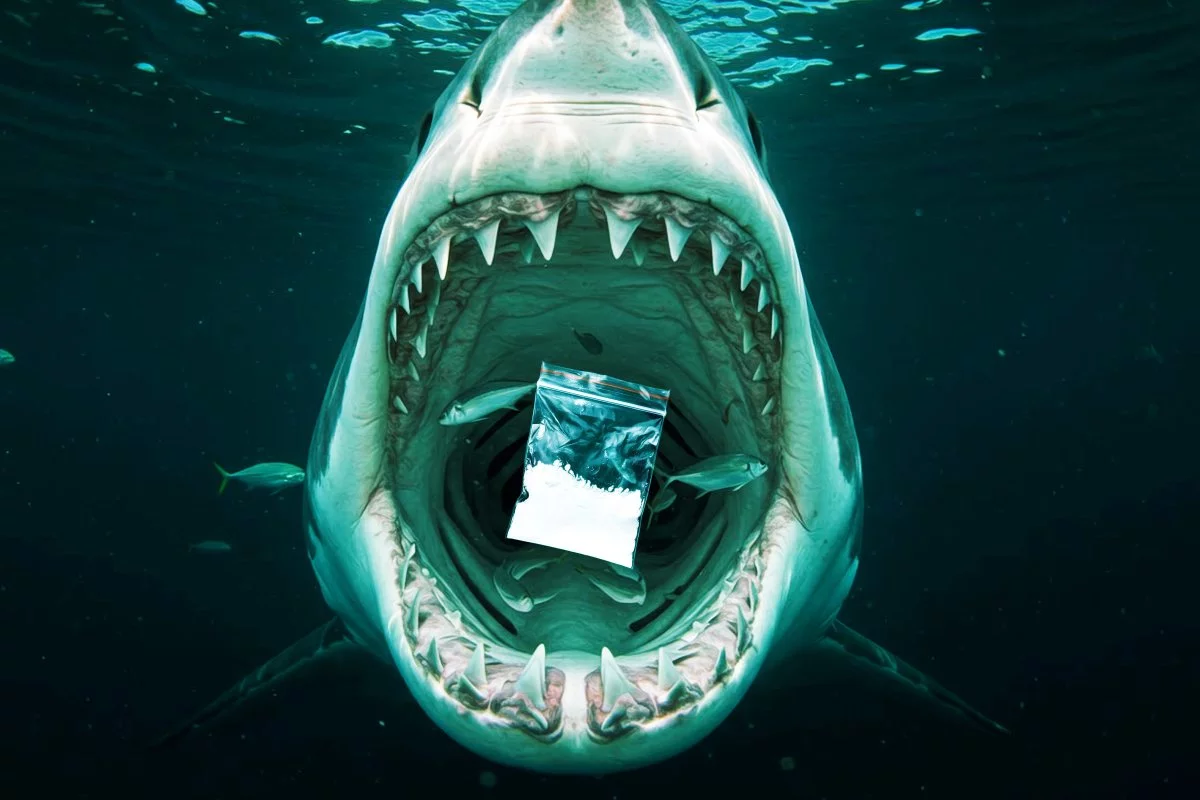
The new study in *Environmental Pollution* from Brazil’s Federal University of Paraná lands with an uncomfortable clarity: even waters marketed—and often experienced—as remote and unspoiled are now carrying the chemical signatures of modern life. Researchers analyzed blood samples from 85 sharks near Eleuthera Island, Bahamas, including Caribbean reef sharks, Atlantic nurse sharks, and lemon sharks, and detected human-derived compounds ranging from caffeine and painkillers to traces of cocaine in 28 specimens.
For the Bahamas, where marine wildlife is both ecological keystone and economic asset, the implications extend beyond conservation headlines. Sharks are apex predators and high-visibility icons of dive tourism; contamination in their bodies functions as a kind of biological audit of coastal management. The lead author, biologist Natascha Wosnick, points to unregulated sewage discharge and biological waste from recreational divers as plausible contributors—an attribution that reframes the story from sensationalism (“drug-laced sharks”) to infrastructure and governance (“untreated inputs reaching the sea”).
This is not merely a local anomaly. It is a signal that micropollutants—pharmaceuticals, stimulants, and illicit drugs—are now part of the baseline risk profile for coastal ecosystems that sit downstream of tourism growth, inadequate wastewater treatment, and fragmented environmental oversight.
Detection technology is advancing faster than environmental surveillance
One of the most consequential elements of the study is methodological: the use of high-resolution mass spectrometry to identify trace compounds in shark blood. This is the same broader analytical trajectory reshaping food safety, clinical diagnostics, and anti-doping regimes—now applied to marine ecology with striking effect.
The technological story here is double-edged:
- Capability leap: Modern instruments can detect extremely low concentrations of anthropogenic chemicals, enabling scientists to map contamination that older monitoring regimes would have missed entirely.
- Governance gap: The ability to detect does not imply the ability to manage. Many coastal jurisdictions still rely on infrequent sampling, limited chemical panels, and nutrient-focused wastewater metrics that were designed for a different era—one where the primary concern was nitrogen, pathogens, and visible pollution.
The study implicitly argues for a new class of environmental observability: continuous or near-real-time monitoring, broader chemical libraries, and data systems that can translate lab-grade findings into operational decisions. In business terms, this is the emergence of “ocean telemetry” as a compliance and brand-protection tool—especially for island economies whose value proposition depends on trust in water quality.
What shark contamination suggests about bioaccumulation and ecosystem stability
Sharks sit at the top of marine food webs, which makes them uniquely informative—and uniquely vulnerable—when contaminants enter the system. The presence of caffeine, analgesics, and cocaine residues in shark blood can indicate direct exposure (via water) and/or trophic transfer (via prey species that have already accumulated compounds).
From an ecological risk perspective, the concern is not limited to whether a compound is present, but what chronic exposure could do over time. Even at trace levels, persistent micropollutants can interact with physiology and behavior in ways that are difficult to observe until population-level effects appear. Potential pathways—still an active area of research—include:
- Behavioral modulation: Stimulants and psychoactive residues may influence activity patterns, feeding behavior, or stress responses.
- Reproductive and developmental impacts: Endocrine and metabolic disruption is a known risk class for many pharmaceuticals in aquatic systems.
- Immune resilience: Chronic chemical exposure can compound other stressors such as warming waters, habitat pressure, and pathogen dynamics.
For policymakers and industry stakeholders, the key insight is that apex species contamination is rarely an isolated event. It is often the visible endpoint of a broader chemical gradient moving through coastal waters, sediments, and prey populations—an ecosystem-wide ledger of what communities discharge and what the sea cannot readily metabolize.
Tourism economics, regulatory pressure, and the next market for water-tech solutions
The Bahamas’ tourism dependence—often cited at roughly half of GDP—turns environmental integrity into a macroeconomic variable. When the global narrative shifts from “crystal-clear waters” to “chemical residues in wildlife,” the reputational risk can travel faster than any measured ecological damage. For resorts, marinas, cruise operators, and destination marketers, this is a reminder that environmental externalities now surface as brand liabilities.
The likely business and policy ripple effects cluster around three fronts:
- Rising compliance expectations: Coastal discharge rules may tighten to include micropollutant removal, not just conventional wastewater parameters. That implies higher capex and opex for hospitality and municipal systems—particularly where treatment infrastructure is decentralized or outdated.
- ESG and disclosure pressure: Investors and insurers increasingly treat water stewardship as a material risk. Expect more demand for auditable marine water-quality metrics embedded into ESG reporting—especially for coastal developments and tourism-heavy portfolios.
- A fast-forming environmental-tech market: The study strengthens the commercial case for solutions such as:
– Modular advanced wastewater treatment designed for islands (low-power, scalable, resilient)
– Smart filtration membranes and targeted adsorption media for pharmaceuticals
– In situ sensors + IoT dashboards that provide continuous “eco-status” reporting
– Bioremediation approaches aimed at degrading specific residues (caffeine, analgesics, and related compounds)
Strategically, the most durable response is not messaging—it is measurement and mitigation. Destinations that can credibly demonstrate reduced discharge, improved treatment, and transparent monitoring will be positioned to command a premium in high-end ecotourism and dive markets, while laggards may find that the cost of retrofitting arrives later, under harsher regulatory and reputational terms.
The study’s most enduring contribution may be its reframing of sharks as sentinels of coastal management: when apex predators carry the chemical fingerprints of human activity, the question is no longer whether pollution exists, but whether institutions and industries are prepared to treat ocean health as core infrastructure rather than a scenic backdrop.


 By
By
 By
By


 By
By
 By
By