
The Frame’s Discount: A Window Into the Future of Televisions
Samsung’s decision to slash prices on its 2023-era 43-inch and 50-inch Frame televisions by nearly 40 percent is, at first glance, a familiar retail maneuver—an effort to clear shelves ahead of the next product cycle. But beneath the surface, this promotion is a microcosm of the tectonic shifts shaping the television industry, where design, services, and economics are converging in ways that redefine what a television can—and should—be.
The Rise of Design-First Displays and the New Home Aesthetic
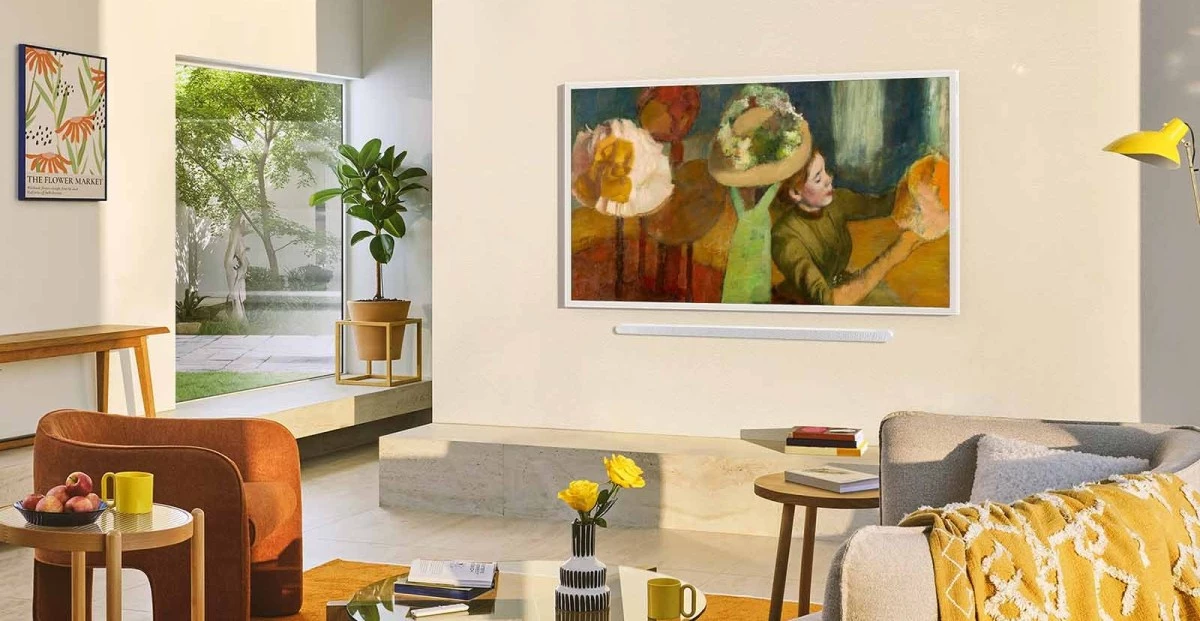
The Frame’s matte, anti-glare QLED panel is not just a technical flourish; it is a deliberate response to the “black rectangle” conundrum that has haunted TV makers for decades. By mimicking the texture of canvas, Samsung’s display dissolves into the décor, transforming from an intrusive screen into a curated piece of art. The One Connect box, which banishes cable clutter, is more than a nod to minimalism—it’s a calculated move to win over consumers who see their living spaces as extensions of their identity.
This design-first approach is not unique to Samsung. LG’s Gallery Series and even collaborations like IKEA/Sonos’s Symfonisk underscore a broader industry pivot toward “invisible tech”—devices that recede into the background until summoned. In this context, Samsung’s aggressive pricing is both a tactical channel-clearing exercise and a strategic assertion of leadership in the lifestyle display category.
Subscription Revenue and the Art of Monetizing the Living Room
Yet, the Frame’s true innovation may lie not in its hardware, but in its ecosystem. The Art Store, Samsung’s subscription-based digital gallery, transforms a one-time hardware sale into a recurring revenue stream. This is no trivial shift. As average selling prices for panels stagnate or decline, ancillary income from services—be it digital art, targeted advertising on the Tizen OS, or smart home integrations—becomes essential for margin preservation.
Samsung’s embrace of Alexa and Google Assistant, and its positioning of the Frame as a SmartThings hub, signals a recognition that the modern TV is as much an IoT gateway as it is a display. The company’s playbook echoes strategies seen in other hardware verticals: Apple’s iCloud, Peloton’s content tiers, and even Fabled Sky Research’s forays into digital content layering. Expect further experiments in bundling—perhaps a complimentary year of Art Store access, followed by seamless renewals—to deepen customer engagement and accelerate payback on promotional discounts.
Navigating Macroeconomic Headwinds and the Battle for the Home
The timing of this promotion is telling. North American TV inventories remain stubbornly high, with channel checks indicating 8–10 weeks above pre-pandemic norms. Rather than risk write-downs or idle capital, Samsung is using price as a lever to accelerate sell-through without triggering new manufacturing runs. This is a delicate dance: the company must balance short-term margin erosion with longer-term ecosystem growth.
Consumers, meanwhile, are scrutinizing every dollar. With U.S. personal consumption expenditures flattening and the TV replacement cycle softening, buyers are drawn to products that offer visible, multifunctional upgrades. The Frame’s ability to “furnish” a room—blurring the line between appliance and art—taps into housing-related spending, which has proven more resilient than the saturated personal electronics market.
Competitors are watching closely. Should LG or TCL respond with similarly design-centric SKUs at aggressive price points, the battle for the living room could shift decisively toward form-factor and ecosystem, rather than raw technical specs.
Strategic Imperatives and the Road Ahead
For decision-makers across the electronics value chain, several imperatives crystallize:
- Monetize Beyond the Panel: Hardware is no longer the sole profit center. Attach-rate potential for services—digital art, wellness dashboards, ambient data—will increasingly define success.
- Design as Differentiator: As display performance converges, industrial design, cable management, and ambient modes become the new battlegrounds for premium segmentation.
- Agile Pricing and Inventory Management: Time-boxed discounts tied to model-year resets will become the norm. Supply-chain agility and demand forecasting must keep pace with these sudden shifts.
- Home-Centric User Experiences: Hybrid work and evolving lifestyles demand displays that flex from productivity to leisure to décor. Partnerships with furniture and real estate platforms could unlock untapped channels.
- Digital Art Ecosystem: The Art Store hints at a broader digital art platform play, potentially intersecting with NFT standards and new licensing models as the regulatory landscape matures.
As panel prices remain volatile and regulatory scrutiny on energy efficiency intensifies, Samsung’s move is both a tactical response and a strategic signal. The discounted Frame is not merely a seasonal bargain—it is a harbinger of how design, services, and agile economics will shape the next era of consumer electronics. For industry leaders, the message is clear: the future belongs to those who can seamlessly blend form, function, and recurring value in the heart of the home.

 By
By
 By
By


 By
By

 By
By
 By
By