


The Paradox of Survival: Data, Catastrophe, and the Deep Ocean’s Lessons
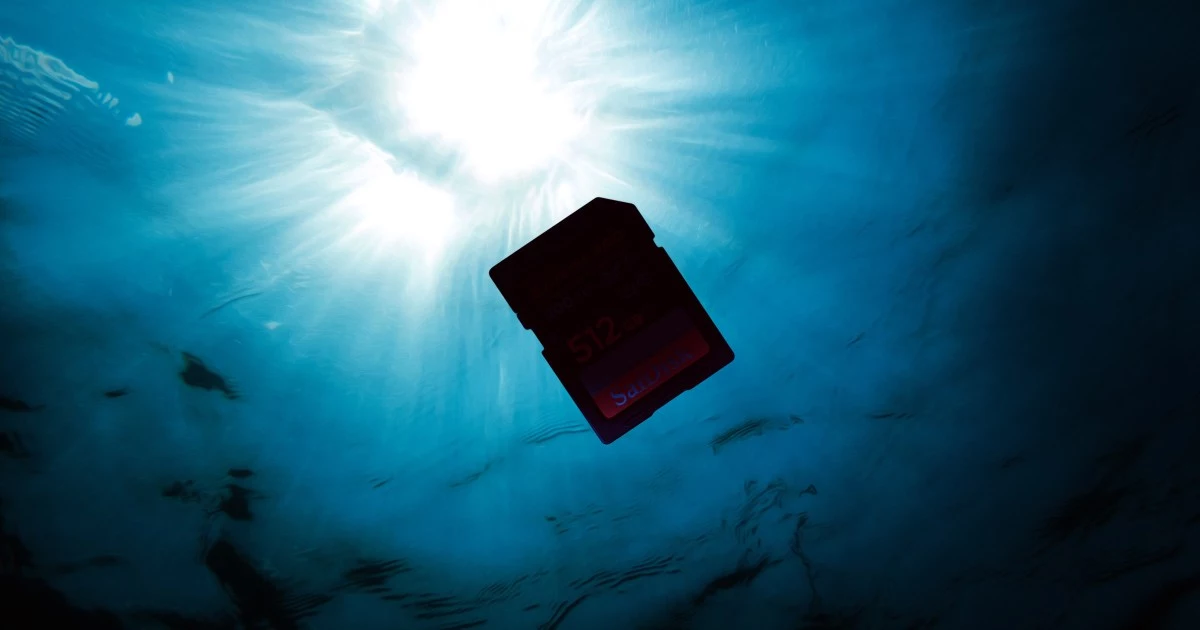
In the aftermath of the OceanGate Titan tragedy, a two-year investigation has yielded a technological relic both poignant and instructive: an unscathed 512 GB SanDisk Extreme Pro SD card, shielded within the titanium embrace of a SubC Rayfine Mk2 Benthic Camera. The survival of this modest sliver of silicon, even as the camera’s optics and electronics were obliterated, is a testament to the layered ingenuity of modern engineering—and a stark counterpoint to the vulnerabilities exposed elsewhere in the submersible’s design.
The National Transportation Safety Board’s final report, released alongside news of the data recovery, paints a damning portrait of the Titan’s demise. The hybrid carbon-fiber/titanium hull, once lauded as a symbol of private-sector audacity, is now revealed as a cautionary tale of material limits and managerial hubris. OceanGate CEO Stockton Rush’s disregard for established safety protocols emerges as a central factor, transforming what might have been a technical failure into an avoidable human tragedy.
Engineering Resilience and the New Discipline of Cryptographic Survivability
The SD card’s improbable endurance under near-instantaneous, crushing pressure is more than a curiosity; it is a case study in resilient data architecture. The confluence of a titanium housing, sapphire crystal interface, and the inherent robustness of NAND flash memory enabled the card’s survival—a trifecta of materials science that, ironically, outperformed the very hull meant to safeguard human life.
Yet the data was not immediately accessible. Investigators faced the additional hurdle of encryption at rest, a security protocol that, in this instance, became a double-edged sword. Only by leveraging surrogate components provided by the manufacturer was the encrypted trove unlocked. This episode marks the emergence of “cryptographic survivability”—the imperative to design systems that protect data in mission, while ensuring that, in the event of catastrophe, forensic access remains possible. For high-risk platforms—whether submersibles, lunar landers, or hypersonic vehicles—such architectures are no longer optional. They are fast becoming a form of brand equity, a signal to investors and customers alike that evidence preservation and rapid root-cause analysis are built into the very DNA of the enterprise.
Material Science and the Limits of Composites in the Abyss
The Titan’s failure has cast a harsh spotlight on the use of carbon-fiber composites in deep-sea applications. While composites have proven their worth in aerospace and automotive domains—regimes dominated by tensile and cyclical stresses—the hydrostatic compression of the ocean’s depths is a different beast altogether. The hybridization of carbon fiber with titanium end-caps, intended to marry lightness with strength, instead introduced interfacial stress risers that eluded traditional non-destructive evaluation. The industry must now reckon with the inadequacy of legacy inspection standards, prompting calls for new ultrasonic and acoustic emission protocols tailored to the unique demands of deep-ocean composites.
This recalibration is already rippling through supply chains. Vendors of sapphire windows and titanium housings—validated by the survival of the camera enclosure—stand to benefit, while composite pressure-vessel suppliers face intensified scrutiny and lengthened lead times. The economic consequences are non-trivial: cost curves for deep-ocean robotics and manned submersibles will shift, and the balance of material innovation may tilt back toward metals, at least for mission-critical applications.
Governance, Capital, and the Future of Private Exploration
The Titan implosion arrives at a moment when private exploration ventures are already navigating choppier financial waters. Rising interest rates and a renewed focus on near-term revenue have made investors more circumspect, amplifying due diligence costs and nudging blended-finance models toward partnerships with public or defense customers. Insurance markets, too, are responding: marine underwriters are poised to treat manned submersibles with the same rigor now applied to autonomous shipping, linking premiums to compliance with emerging standards such as ISO 23988-1-DX.
But perhaps the most enduring lesson is one of governance. The NTSB’s documentation of executive pressure on engineering dissenters echoes cautionary tales from commercial spaceflight. In high-consequence domains, “psychological safety” is not a soft metric—it is a board-level variable, as critical as any technical KPI. Companies that institutionalize independent safety review boards and dissent-tracking mechanisms will not only mitigate risk, but also gain a recruitment edge in a tightening technical labor market.
As regulatory bodies from maritime and aerospace realms contemplate a unified framework for extreme-environment craft, early compliance may become a strategic moat—transforming a regulatory burden into a competitive advantage. Industry consortia and standards committees, including those at ANSI and ISO, are already accelerating efforts to codify best practices for composite pressure vessels and encrypted, redundant edge storage.
The Titan investigation, then, is not merely a postscript to a disaster. It is a catalyst, reshaping the contours of engineering, finance, and governance across the frontier technologies that define our era. Those who internalize its lessons will be the ones to chart the next chapter of responsible, resilient innovation.

 By
By
 By
By
 By
By
 By
By

 By
By
 By
By








