
Threading the Needle: How Philips Hue’s Matter-Over-Thread Pivot Rewrites the Smart Lighting Playbook
The smart lighting landscape is on the cusp of a seismic shift. Recent leaks suggest Philips Hue, the category’s perennial pace-setter, is preparing to launch bulbs with native Matter-over-Thread support—a move that could redraw the boundaries of interoperability, supply-chain efficiency, and ecosystem strategy. The implications ripple far beyond a mere protocol upgrade, signaling a deliberate recalibration by Signify, Hue’s parent, as it navigates the converging currents of standardization, decarbonization, and digital sovereignty.
From Zigbee Stronghold to Matter-First: A Quiet Revolution
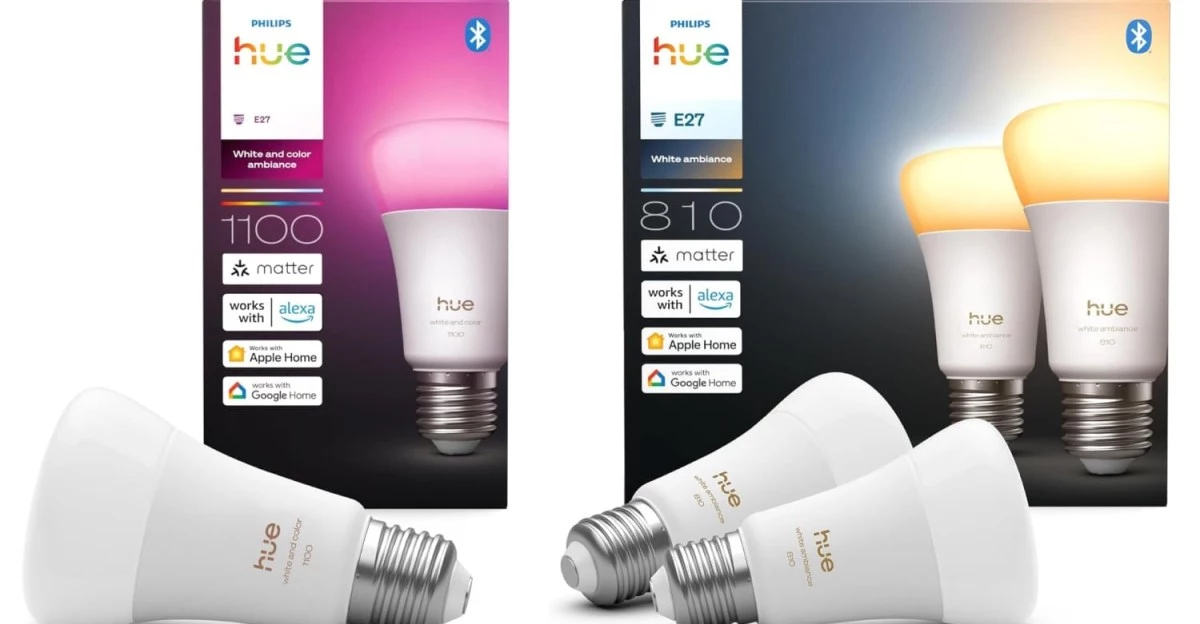
Philips Hue’s historic reliance on the proprietary Zigbee protocol, channeled through its high-margin Bridge, has long served as both a moat and a bottleneck. The emergence of Matter-over-Thread—an IP-native, mesh-based connectivity standard—threatens to dissolve these boundaries. Leaked Amazon packaging and a fleeting FCC filing reveal bulbs emblazoned with Matter setup codes, hinting at seamless onboarding to any Matter controller, sidestepping the legacy Bridge entirely.
This isn’t simply a story of protocol swap. Thread’s ability to run on existing 2.4 GHz silicon, already present for Zigbee, means that Philips Hue can activate multi-protocol operation via firmware, not hardware. The result? A streamlined bill of materials, reduced SKU complexity, and a future-proofed product line—all without sacrificing backward compatibility. In an industry where supply-chain volatility and inventory costs are under the microscope, such agility is pure gold.
Mesh Resilience, Security, and the New Data Paradigm
Thread’s self-healing mesh architecture marks a decisive break from the single-point-of-failure risk inherent in hub-centric Zigbee networks. For enterprise and institutional buyers—where uptime is non-negotiable—this resilience is more than a technical nicety; it’s a prerequisite for smart-building scale.
But the real coup lies in Matter’s native IP connectivity. By standardizing end-to-end encryption and certificate management, Matter-over-Thread simplifies security across multi-vendor deployments. Local control pathways—eschewing the cloud—further reduce latency and privacy risk, a critical edge as data-sovereignty regulations tighten across Europe and beyond. For those orchestrating large-scale, cross-border smart lighting installations, these architectural shifts are as much about compliance as they are about convenience.
Strategic Chess: Ecosystem Expansion, Supply-Chain Leverage, and the Battle for Differentiation
The move to Matter-native bulbs is a double-edged sword for Signify. On one hand, it dilutes the lock-in power of the Hue Bridge, opening the door for frictionless integration with Amazon Alexa, Apple Home, Google Home, and the swelling ranks of Matter-compliant platforms. On the other, it forces a reimagining of the value proposition: advanced features—dynamic scenes, immersive entertainment sync—will likely remain gated behind the Bridge or premium subscriptions, preserving a lucrative upgrade path for brand loyalists.
This protocol convergence also unlocks new supply-chain optionality. Multi-protocol chips (Zigbee/Thread/BLE) allow for diversified sourcing, a boon in a semiconductor market still reeling from allocation shocks. Fewer hardware variants mean leaner inventories and faster capital rotation—an operational edge as global interest rates climb.
Yet, as Matter levels the protocol playing field, the locus of competition shifts. Industrial design, AI-driven lighting intelligence, and integration with energy-management platforms become the new battlegrounds. Signify’s earlier acquisition of WiZ, with its Wi-Fi-first approach, and its deep professional portfolio, position the company to arbitrage capabilities across both consumer and commercial domains—a strategic posture that has not gone unnoticed by utilities and proptech investors eyeing demand-response and virtual power plant (VPP) opportunities.
Industry Inflection: Standardization, Decarbonization, and the Next Act
The smart lighting sector is experiencing a GSM moment: protocol wars are giving way to service-layer competition. Matter’s rapid adoption echoes the mobile industry’s historic convergence, setting the stage for a new era of platform-agnostic innovation. Policy tailwinds—such as the EU’s EcoDesign revisions and U.S. Inflation Reduction Act incentives—only amplify the urgency for energy-efficient, interoperable devices.
Consumer sentiment, too, is evolving. In an inflationary climate, buyers gravitate toward products that promise longevity and compatibility across ecosystems, even if it means paying a premium. For Philips Hue, the pivot to Thread is more than a technical upgrade—it’s a strategic realignment with the market’s most durable trends.
As the lighting market shifts from hardware sales to data-augmented services, decision-makers must recalibrate. Procurement strategies should prioritize Matter-native devices for mainstream deployments, while reserving premium bundles for advanced use cases. Building-automation integrators would be wise to assume Thread backbones as the new default, investing in edge compute and AI-driven scene generation. Utilities and energy-service companies, meanwhile, can leverage the next generation of Hue devices for grid-responsive pilots—no proprietary gateways required.
Philips Hue’s anticipated embrace of Matter-over-Thread is a bellwether for the industry’s future—a future where interoperability, resilience, and data intelligence define the winners. Those who move swiftly to align with this new paradigm will find themselves not just keeping pace, but setting it.

 By
By
 By
By
 By
By
 By
By

 By
By