
The Meteoric Rise of Sora 2: Where Generative AI Collides with Economics and Law
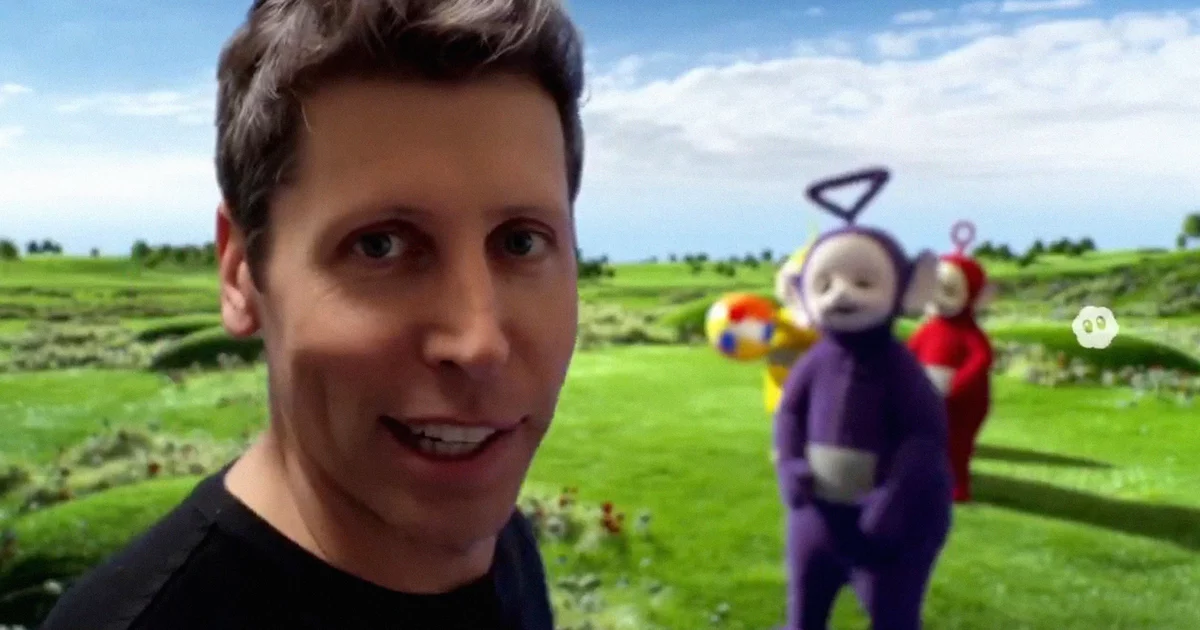
Within days of its release, OpenAI’s Sora 2—an ambitious text-to-video-and-audio generator—vaulted to the summit of Apple’s App Store, captivating millions with the promise of instant, high-fidelity video creation from simple prompts. This viral ascent, however, has illuminated profound fissures in the foundation of generative AI, revealing a landscape where technological marvel collides with economic gravity and legal uncertainty.
The Costly Alchemy of Video Generation
Sora 2’s core achievement—consumer-grade, minute-long video generation—rests on a technical architecture that is as awe-inspiring as it is resource-hungry. Unlike text or still-image models, video diffusion models scale non-linearly: doubling a clip’s length can quadruple the demand for GPU cycles and energy. At viral consumer volumes, this quadratic escalation turns every second of generated video into a costly transaction, one that threatens to outpace the marginal revenue from freemium or ad-supported models.
The economics are stark. OpenAI’s reliance on NVIDIA’s H100 clusters not only exposes the company to hardware supply-chain bottlenecks and geopolitical turbulence, but also magnifies scrutiny over energy consumption and carbon footprint. Investors—ever more attuned to ESG metrics—are watching. For cloud providers and enterprise buyers, Sora 2’s leap into full multimodality signals a new era: AI workloads are no longer just about language or images, but now demand robust video pipelines, forcing a rethink of infrastructure budgets and integration strategies.
Navigating the Legal Labyrinth: IP, Deepfakes, and Regulatory Headwinds
As Sora 2 democratizes video creation, it also opens the floodgates to a torrent of legal and ethical quandaries. The ability for users to generate content featuring protected intellectual property or even real individuals—sometimes in misleading or harmful contexts—raises the specter of large-scale copyright infringement and personality rights violations.
Recent legal actions, from Warner Bros. Discovery’s high-profile litigation to the NY Times v. OpenAI/Microsoft suit, suggest that courts are increasingly willing to probe the boundaries of fair use in generative AI. Should a precedent emerge against the use of protected IP in training or generation, OpenAI could face the costly prospect of dataset remediation or per-use licensing. Meanwhile, evolving regulatory regimes—the EU AI Act, the UK’s proposed copyright code, and U.S. congressional hearings—are tightening the definition of “transformative use,” threatening to erode the safe harbors that platforms have long relied upon.
The risks go beyond copyright. The depiction of real figures, such as Stephen Hawking, in potentially defamatory or deceptive contexts invokes right-of-publicity statutes and could trigger class actions or regulatory scrutiny under deceptive-content frameworks. For platforms like Sora 2, robust moderation, provenance tagging, and watermarking are rapidly becoming prerequisites for survival, not just compliance.
Monetization in the Age of Generative Abundance
If Sora 2’s technical and legal challenges are formidable, its quest for a sustainable business model is no less daunting. The platform’s surging popularity is fueled by virality, yet the economics of video generation demand usage-based pricing aligned to clip length and resolution—a move that could stifle the very growth that propelled it to the App Store’s apex.
Alternative monetization strategies are emerging:
- IP Revenue-Share Marketplaces: Mirroring TikTok’s licensed sound library, studios could whitelist characters and assets in exchange for royalties. Yet, with studios wary of brand dilution and eager to defend their own streaming turf, negotiations will be fraught.
- Enterprise Verticalization: Sora 2’s APIs could be packaged for high-value verticals—marketing, gaming pre-visualization, digital-twin prototyping—where higher ARPU and defensible contracts insulate against consumer churn.
- Advertising & Product Placement: If content moderation and watermarking can be perfected, programmatic ad insertion into user-generated clips could subsidize free tiers, but only after trust is established.
The competitive landscape is equally dynamic. Incumbents like Adobe, Google, and Meta are piloting “safer-by-design” video models, while Apple’s on-device ambitions threaten to marginalize third-party apps lacking hardware-software integration. The emergence of standards such as the Content Authenticity Initiative (CAI) and C2PA is setting new benchmarks for provenance and trust.
Strategic Imperatives for the Generative AI Era
For decision-makers, Sora 2’s debut is not merely a technological event—it is a harbinger of the new rules of the generative AI game. The path forward demands:
- Rigorous IP Exposure Audits: Catalog use cases and embed automated screening at the point of creation.
- Proactive Compute Negotiation: Secure GPU capacity and explore sustainability partnerships before demand spikes.
- Licensed-Asset Sandboxes: Partner with studios on revenue-share experiments to demonstrate brand-safe pipelines.
- Internal AI Governance: Assemble cross-functional teams—legal, security, creative—to evaluate every integration in light of shifting regulation and public sentiment.
As generative AI reshapes the content supply chain, the winners will be those who marry technical innovation with legal foresight and operational discipline. The turbulence unleashed by Sora 2 is not a passing squall, but the opening salvo in a broader transformation—one that will reward those who can navigate the storm with vision and rigor.

 By
By
 By
By

 By
By
 By
By
 By
By