
The AI Gold Rush: How High-Bandwidth Memory Is Rewriting the Global DRAM Playbook
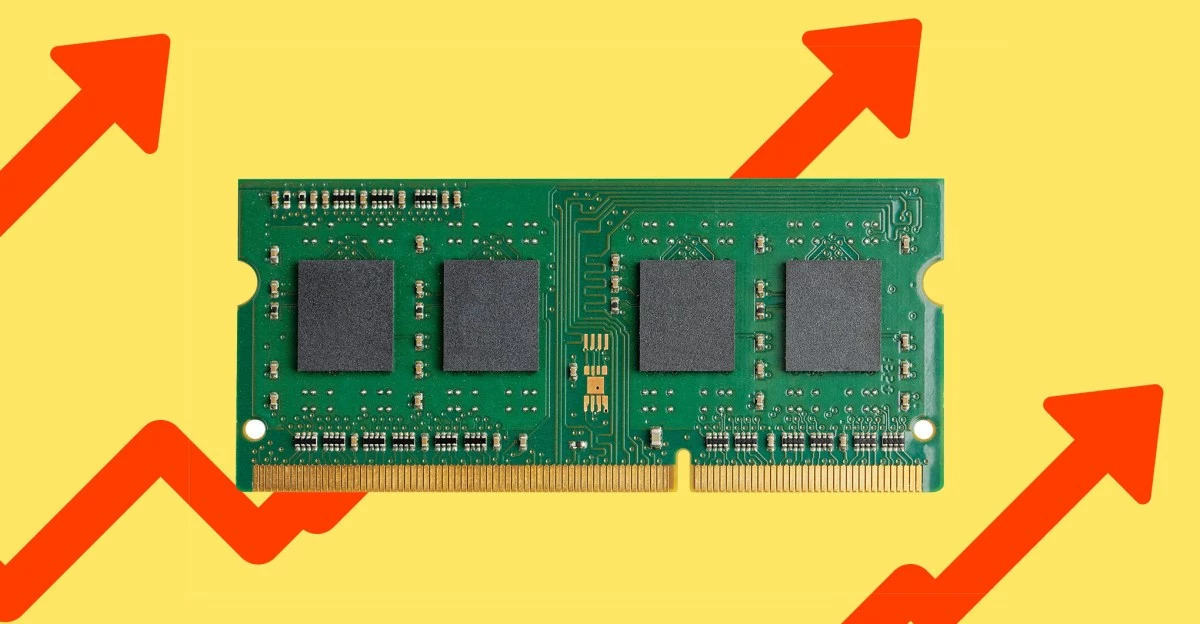
In the shadow of the AI revolution, a seismic shift is underway in the global memory supply chain—one that is upending decades-old pricing dynamics and threatening the very foundation of consumer electronics manufacturing. Memory giants Samsung, SK Hynix, and Micron are orchestrating a dramatic pivot, funneling wafer starts and advanced packaging resources away from conventional DRAM modules and toward high-bandwidth memory (HBM) contracts for hyperscale cloud providers and AI foundation-model developers. The result: a cascading shortage of mainstream DDR4 and DDR5 modules, a tripling of spot prices, and a new era of volatility for device makers from Silicon Valley to Shenzhen.
From Consumer Cycles to AI-Centric Scarcity: The Anatomy of a Supply Chain Upheaval
The transformation is rooted in the capital-intensive nature of modern semiconductor fabrication. AI accelerators—those silicon engines powering everything from large language models to real-time inference—demand HBM stacks built on the industry’s most advanced nodes, complete with cutting-edge 2.5D and 3D packaging. Foundries and outsourced semiconductor assembly and test (OSAT) providers have responded by rerouting scarce EUV lithography slots and packaging lines, prioritizing premium HBM contracts where margins routinely exceed 50%.
Meanwhile, commodity DRAM—still fabricated on mature 1y/1z nanometer processes—finds itself outbid and outmaneuvered for the same capital expenditures. The elasticity that once defined the DRAM market, where falling average selling prices (ASPs) would reliably trigger PC and smartphone upgrades, has all but evaporated. Now, a cost-plus pricing regime dictated by AI demand is compressing refresh cycles just as end-markets soften, breaking the virtuous cycle that underpinned consumer electronics growth.
Pandemic-era inventory buffers have long since evaporated. Lead times for mainstream DRAM modules now stretch beyond 40 weeks, leaving original equipment manufacturers (OEMs) in a precarious dance: over-order and risk costly write-offs, under-order and face production stoppages. The classic bullwhip effect is back, but this time, the stakes are existential.
Winners, Losers, and the New Geopolitics of Memory
This tectonic realignment is redrawing the industry’s profit map. Value capture is migrating upstream to memory fabs and downstream to cloud hyperscalers, while mid-chain device OEMs—especially those locked into fixed bill-of-materials pricing—are being squeezed. Chromebook vendors and niche handset makers are already confronting negative gross-margin surprises, forced to either raise prices, delay launches, or ship products with reduced memory footprints.
Samsung and SK Hynix, flush with HBM-driven cash flows, are doubling down on aggressive capital expenditure cycles. Their Western counterparts, hampered by higher financing costs and slower policy responses, risk ceding further ground. Unless U.S. and European policymakers accelerate CHIPS-Act incentives and greenfield DRAM fab construction, the industry could see an entrenched Asia-centric oligopoly.
Regulatory and geopolitical risks are also mounting. Persistent inflation in tech goods is drawing the wary gaze of antitrust authorities, evoking memories of the 2017–2019 DRAM price-fixing probes. Simultaneously, tightening export controls on advanced memory technologies—especially to China—threaten to amplify global fragmentation and localized shortages.
Second-Order Ripples: Innovation, Sustainability, and the Rise of the Gray Market
The supply crunch is catalyzing a wave of non-obvious, second-order effects. Cloud providers are aggressively piloting Compute Express Link (CXL) memory pooling, which could decouple DRAM capacity from individual servers and reduce per-node demand by up to 20% over the next three years. Edge-device designers are dusting off memory-efficient software engineering techniques, from on-die SRAM expansion to eMMC/NAND swap algorithms—a renaissance not seen since the pre-smartphone era.
Enterprises, faced with higher RAM prices and longer lead times, are extending device refresh cycles. This unintended consequence is lowering Scope-3 emissions, providing a convenient ESG narrative for OEMs eager to reframe delays as sustainability wins. Meanwhile, the economics of reclaimed and remanufactured DRAM modules are becoming increasingly attractive, fueling both certified recycling and a burgeoning gray market—complete with heightened counterfeit risks.
Strategic Imperatives: Navigating a Fragmented Memory Future
For decision-makers, the new memory landscape demands a fundamental rethink:
- Strategic Sourcing: Multi-year, index-based supply agreements—with clauses to buffer HBM-DDR price spreads—are now table stakes. Diversification, including cautious engagement with emerging Chinese suppliers, is essential, though not without compliance risk.
- Product Road-Mapping: Architectures must be designed to tolerate lower memory footprints, leveraging techniques like progressive rendering, on-device compression, and model quantization.
- Capital and M&A: Early bets on specialty packaging houses and CXL-controller startups could secure preferential capacity. Sovereign subsidy programs and co-investment with national fabs offer hedges against prolonged disruption.
- Macroeconomic Vigilance: Persistent RAM inflation could nudge headline inflation higher in tech-centric economies, pressuring central banks and compressing consumer demand.
The current DRAM squeeze is not a fleeting inventory cycle but a structural re-vectoring of semiconductor capacity toward AI-centric profit pools. Those who internalize this new calculus—embracing architectural memory efficiency and securing diversified supply—will not merely survive the volatility but emerge as the architects of tomorrow’s digital economy. In this era of memory scarcity, adaptation is not optional; it is the price of admission to the future.

 By
By
 By
By
 By
By
 By
By
 By
By
 By
By

 By
By