
The Super Mic Gambit: Earbuds as Creator Tools in a Platform-Locked World
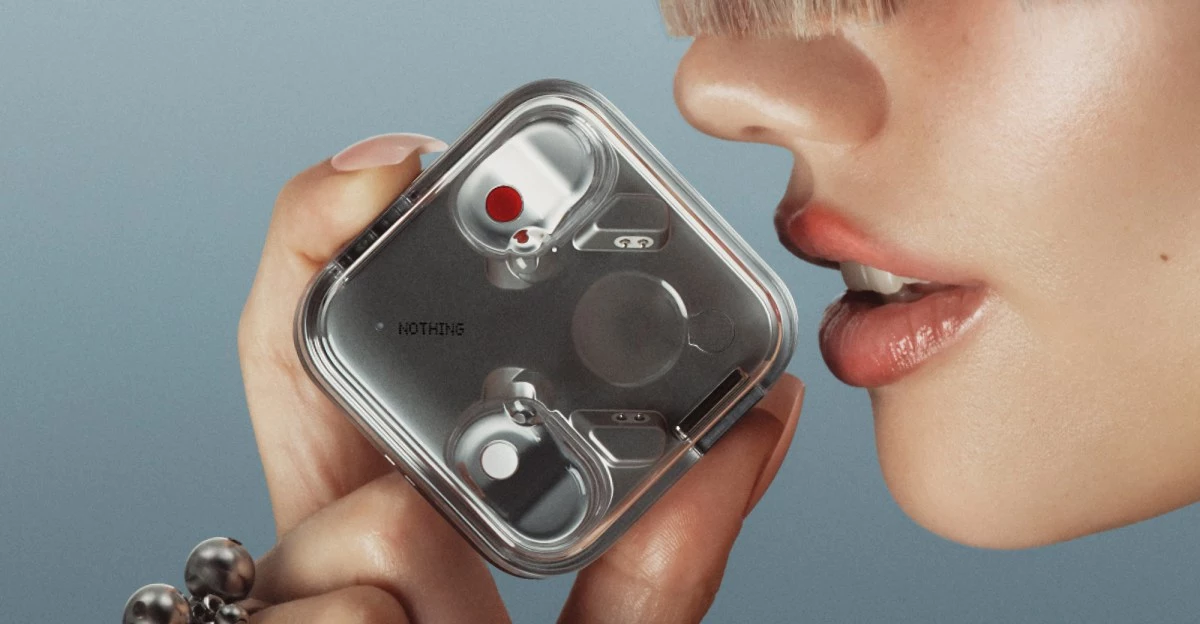
Nothing’s Ear 3 arrives with a flourish of transparent design and a bold promise: to reimagine the humble earbud as a creator’s audio companion. The headline feature—the “Super Mic”—is not embedded in the bud itself, but in the charging case, activated by a physical Talk button. This audacious inversion signals a shift in how we might think about wearable audio: not just as a passive listening device, but as a multi-modal input tool for the TikTok generation and beyond.
Yet, beneath the glassy exterior and clever marketing, the Ear 3’s ambitions collide with the hard realities of platform control and hardware-software asymmetry. The result is a product poised at the intersection of innovation and constraint—a microcosm of the broader challenges facing hardware startups in the age of walled gardens.
Hardware Innovation Meets OS Gatekeeping
The decision to house the Super Mic in the case, rather than the earbuds, is both acoustically logical and strategically daring. The case offers more space for advanced microphone arrays and antennas, potentially enabling higher-fidelity capture and improved noise rejection. However, this architecture creates a tethered workflow: users must wear the buds to route audio back to their phones, a setup that feels more like a workaround than a revolution.
The true bottleneck, however, is not hardware but software. Apple and Google, the gatekeepers of mobile ecosystems, restrict third-party microphones from accessing native camera apps—a policy designed to protect privacy and battery life. This means that, for now, the Super Mic’s creator-friendly promise is gated behind operating-system permissions. Unless users turn to specialized apps like CapCut or Blackmagic, the feature’s impact remains circumscribed.
For Nothing, and for the industry at large, the challenge is clear: meaningful innovation in audio peripherals will require not just clever engineering, but also deft negotiation with platform owners or the cultivation of alliances with creator-centric software.
Margins, Markets, and the Creator Economy
The Ear 3’s market positioning is as calculated as its design. Priced at $179, it straddles the mid-premium segment, flanked by Samsung’s Buds2 Pro and Jabra’s Elite 5. The move is strategic: global growth in true wireless stereo (TWS) earbuds has slowed to a modest 4% CAGR, while the “creator economy accessory” niche is expanding at over 18% annually (IDC, 2024E). By targeting creators—micro-entrepreneurs, influencers, and digital storytellers—Nothing seeks to tap into a higher-growth, higher-engagement segment.
Yet, this approach carries risks. Component costs for MEMS microphones and Bluetooth chipsets are rising, squeezing margins just as Nothing sacrifices some brand-equity pricing power to reach scale. The company’s bet is that multifunctionality and design differentiation will offset these pressures, but the path is narrow and fraught.
Strategically, the Ear 3’s branding—skipping from Ear 2 to Ear 3—signals a break from incrementalism. The reinforced metal skeleton and antenna redesign hint at future compatibility with Bluetooth LE Audio profiles, setting the stage for over-the-air feature unlocks that could extend product lifespan and mitigate e-waste concerns. In this sense, Ear 3 is less a product and more a platform—a harbinger of a future where peripheral devices are defined as much by software updates as by silicon.
Regulatory Winds and the Next Peripheral Wave
Looming over all of this is the regulatory climate. The EU’s Digital Markets Act (DMA) could compel Apple to open accessory APIs as soon as 2025, potentially unlocking native camera access for third-party mics and vindicating Nothing’s design choices. Rising antitrust scrutiny of app-store gatekeeping, coupled with consumer demand for multifunctionality amid economic uncertainty, further shifts the landscape in favor of devices that do more for less.
For executives and product strategists, the implications are profound:
- Accessory-as-Input Paradigm: Expect a surge in peripherals that repurpose “dead” form-factor real estate—charging cases, watch bands, eyeglass temples—into sensor hubs and feature platforms.
- Software Alliances Over Specs: Differentiation will increasingly hinge on API partnerships and software integration, not just hardware prowess.
- Regulatory Readiness: Firmware hooks and compliance agility will be crucial as OS permissions expand.
- Margin Management: Flexible supply contracts and new business models (refurbished, subscription) will be needed to offset rising component costs.
- AI-Driven Audio: As generative audio models mature, real-time enhancement and translation will become baseline expectations for premium devices.
Nothing’s Ear 3 is more than an incremental upgrade—it is a strategic probe into the future of personal audio, where hardware, software, and regulation converge. For those shaping the next generation of peripherals, the lesson is clear: the winners will be those who can harmonize silicon, code, and compliance, creating devices that are as adaptable as the creators who wield them.

 By
By
 By
By
 By
By

 By
By
 By
By

 By
By