


The Power of Nostalgia in a Volatile Restaurant Landscape
In an era marked by economic turbulence and socio-political uncertainty, the American restaurant industry has found an unlikely hero: nostalgia. As inflation fatigue and job-loss anxiety mount—U.S. unemployment recently nudged to 4.0%—consumers are gravitating toward brands that offer the comfort of the familiar. This trend is not a fleeting indulgence but a calculated response to stress, a search for “cognitive comfort food” that soothes as much as it satisfies.
Behavioral economics tells us that familiarity reduces decision stress and heightens perceived value, a dynamic that has allowed restaurants to introduce modest price increases under the guise of “beloved classics.” The emotional calculus is clear: when the world feels unpredictable, the predictable becomes priceless. Legacy brands have become more than eateries; they are “third places,” quasi-tribal sanctuaries where nostalgia is a currency of social safety.
Brand Heritage: The Double-Edged Sword of Reinvention
The current cycle has rewarded those who wield nostalgia with precision. Taco Bell’s Y2K campaign and Starbucks’ seasonal retro cups have driven incremental traffic and social-media reach by adding episodic novelty without disturbing the brand’s core codes. These campaigns are not mere throwbacks—they are carefully orchestrated rituals, designed to trigger positive memory recall while preserving the semiotic assets that define the brand.
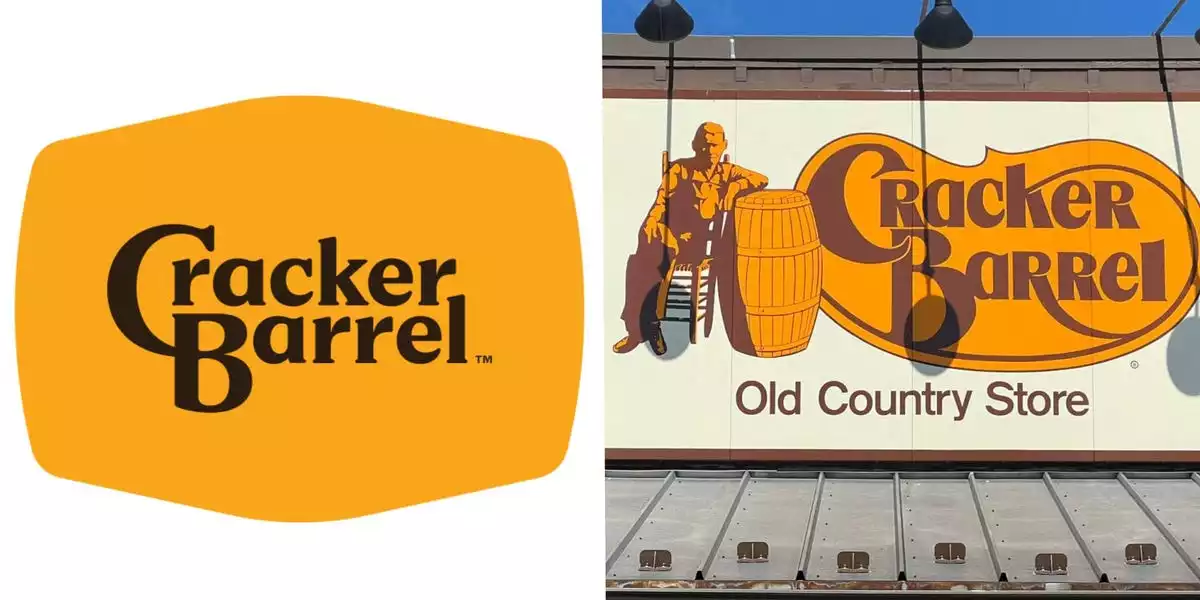
Contrast this with Cracker Barrel’s recent misstep. In an attempt to modernize, the brand diluted its Southern heritage by redesigning icons—such as its porch rocking chairs and script logo—that functioned as cultural shorthand. The renovations replaced, rather than enhanced, the multisensory cues (décor, music, vernacular) that anchored customers’ autobiographical memories. The result was swift and measurable: a 23-point net-negative shift in social sentiment in Q2 2024 and a 140-basis-point contraction in traffic relative to family-dining peers. The lesson is stark: legacy brands must tread carefully, modernizing peripherals while safeguarding the emotional moats that sustain loyalty and pricing power.
Data-Driven Nostalgia: Technology as a Strategic Lever
In the age of real-time analytics, the tools to navigate this delicate balance are more sophisticated than ever. AI-driven sentiment analysis and social-graph monitoring can flag rising discontent within days, providing early warning signals during pilot remodels. Computer-vision shelf mapping, for instance, revealed a 17% drop in dwell time near merchandise zones in Cracker Barrel’s remodeled stores—a subtle but telling indicator of ambience misalignment that was overlooked.
Other brands have harnessed technology to capitalize on nostalgia with surgical precision. Taco Bell’s Y2K menu was informed by first-party app data, identifying the 1985–1995 birth cohorts most likely to respond to retro offerings. Hyper-targeted push notifications lifted mobile orders by 9%, demonstrating the power of data-driven nostalgia. Meanwhile, ghost-kitchen operators are experimenting with “retro virtual brands,” resurrecting discontinued SKUs exclusively for delivery—a low-capex play that monetizes memory at scale.
Strategic Playbook: Navigating the Nostalgia Meta-Trend
As the nostalgia wave crests, the competitive bar is rising. Expect a proliferation of “comfort-core” rollouts—mid-1990s color palettes, analog menu boards, and table-side experiences—threatening to saturate the market and dilute the impact of retro campaigns. Private-equity owners are already eyeing nostalgia relaunches as value-creation levers ahead of 2025–26 exit windows.
To succeed in this environment, decision-makers must:
- Audit Heritage Assets: Inventory fixed cultural assets—logos, signature menu items, floor plans—and use conjoint analysis to quantify their impact on loyalty and repeat visitation. Modernize around the edges, not at the core.
- Monitor Sentiment in Motion: Deploy AI tools that integrate POS, app engagement, and social-media feeds, flagging negative sentiment shifts as key performance indicators demanding executive attention.
- Engineer Modular Nostalgia: Launch limited-time “capsules” that can be measured and sunset quickly, capturing buzz without risking backlash.
- Layer Experiences with Technology: Integrate AR filters, retro playlists, and blockchain-verified collectibles to extend nostalgia beyond the four walls and deepen digital engagement.
- Exercise Capital Allocation Discipline: Tie remodel capex to early consumer-sentiment metrics, using stage-gate funding to avoid stranded costs.
The Cracker Barrel episode is a cautionary tale and a strategic blueprint. Nostalgia, when treated as a quantifiable asset class and leveraged with data-driven discipline, can serve as a formidable moat. Executives who respect the emotional architecture of their brands—and who deploy technology to safeguard it—will not only weather the current storm but emerge stronger, their brands burnished by the glow of memory and meaning.

 By
By
 By
By
 By
By
 By
By
 By
By
 By
By









