

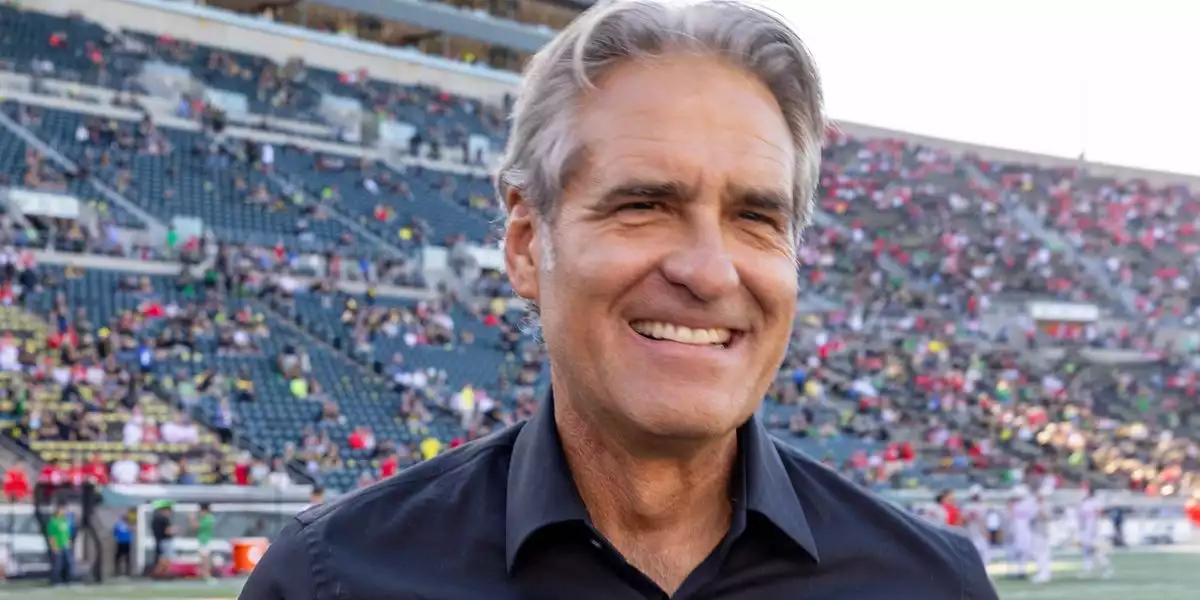

Elliott Hill’s Bold Recalibration: Nike’s Athlete-First Renaissance in a Fractured Retail Era
Nike, the perennial icon of athletic innovation, finds itself at a crossroads. Fiscal year 2024 closed with a sobering 10% revenue decline, forcing a reckoning that few in Beaverton could ignore. Elliott Hill’s return to the CEO seat is not a nostalgic gesture but a calculated move to re-anchor the company in its core identity: the athlete. Hill’s turnaround program, ambitious in both scope and intent, is less a pivot than a wholesale reimagining—one that weaves together culture, product, marketing, marketplace, and physical presence into a single, athlete-centric tapestry.
The End of DTC Absolutism and the Rise of Channel Harmony
For years, Nike’s direct-to-consumer (DTC) maximalism was the envy of the industry, a digital-first model that promised margin expansion and data intimacy. Yet, as customer-acquisition costs soared and digital ad space became a battleground for diminishing returns, cracks appeared. Hill’s pragmatic rapprochement with wholesale partners marks a strategic retreat from DTC absolutism, embracing what might be called “omni-elasticity.” By restoring equilibrium among channels, Nike not only diversifies its inventory velocity signals but also regains critical shelf influence at retail giants—an advantage that algorithmic marketplaces, for all their efficiency, cannot replicate.
This channel recalibration is already bearing fruit. The Running division has rebounded by more than 20%, while wholesale revenues have climbed 8% to $7.5 billion, driven by disciplined promotions and selective price increases. The message is clear: in a bifurcated consumer landscape, Nike’s premium posture courts the resilient upper-income cohort, while channel diversity cushions against the volatility of value-driven segments.
Premiumization, Technology, and the New Leadership Blueprint
Nike’s renewed focus on premiumization is not mere price inflation. It is a deliberate strategy to insulate margins from the twin threats of commodity volatility and foreign exchange headwinds. By pulling back on promotions and leaning into scarcity, Nike borrows from the luxury playbook, where narrative density and cultural capital drive sell-through. The brand’s formidable equity allows it to compete less on discounts and more on the intangible allure of performance and innovation.
Underpinning this strategy is a reorganized leadership architecture. The creation of a Chief Operating Officer role, with a mandate for technology integration, signals a deeper infusion of digital sophistication across the value chain. From design software and demand-forecast engines to RFID-enabled retail floors and consumer-facing apps, Nike is constructing what might be called an SAP-to-sensor continuum. This horizontal data synchronization will be crucial as the company scales mass customization—think 3-D printed midsoles—and expands circularity programs that demand SKU-level traceability.
Cultural Reset and the Imperative of Generative Design
Perhaps most transformative is Nike’s cultural reset. By re-centering the athlete, the company is re-prioritizing functional performance R&D over the hype-driven drops that have defined the sneaker zeitgeist. This is no small feat in an era where technical challengers like On, Hoka, and Lululemon’s footwear unit are encroaching on Nike’s turf. Embedding sport scientists and data engineers into category-specific pods, Nike is building agile frameworks for generative-design loops—compressing concept-to-market timelines and reducing sampling waste.
The implications ripple beyond product. As regulated sports betting expands, Nike’s athlete data assets—biometrics, performance metrics—could unlock new licensing and fan-engagement revenues, provided the company navigates the complex terrain of privacy and league politics. Meanwhile, the rise of retail media networks among wholesale partners offers first-party data synergies, but also risks diluting DTC traffic unless orchestrated through unified attribution models.
Strategic Horizons: Technology, Partnerships, and Resilience
Looking forward, Nike’s capital allocation will likely favor digitally instrumented flagship stores in global gateway cities, capitalizing on tourism’s rebound while de-emphasizing marginal DTC sites. Minority stakes or acquisitions in biomechanical analytics startups could lock in proprietary performance IP, further differentiating Nike in a crowded field.
The technology roadmap is equally ambitious. Real-time, AI-driven demand sensing promises to curb inventory write-downs—a chronic pain point in the footwear industry. Generative-AI design sprints, fueled by athlete feedback, could sustain SKU freshness while compressing R&D spend. Partnership strategies will hinge on data-sharing agreements with key wholesalers and the co-creation of experiential “shop-in-shop” concepts that blend retail with connected-fitness ecosystems.
Risk management, too, is evolving. Modular factory networks in Vietnam, Mexico, and Romania offer sourcing optionality, while probabilistic forecasting engines institutionalize scenario planning for macroeconomic shocks.
Nike’s early green shoots—rebounding running sales, revitalized wholesale relationships, and disciplined pricing—suggest that Hill’s athlete-anchored, omni-channel strategy is more than a tactical fix. It is a blueprint for how legacy giants can thrive in a world where physical, digital, and experiential channels must coalesce around authentic performance narratives. For industry observers and executives alike, Nike’s recalibration stands as a bellwether for the next era of consumer innovation, where technology, culture, and operational excellence are inextricably linked.

 By
By
 By
By
 By
By
 By
By
 By
By
 By
By









