
New Zealand’s Calculated Embrace of Ultra-High-Net-Worth Investors
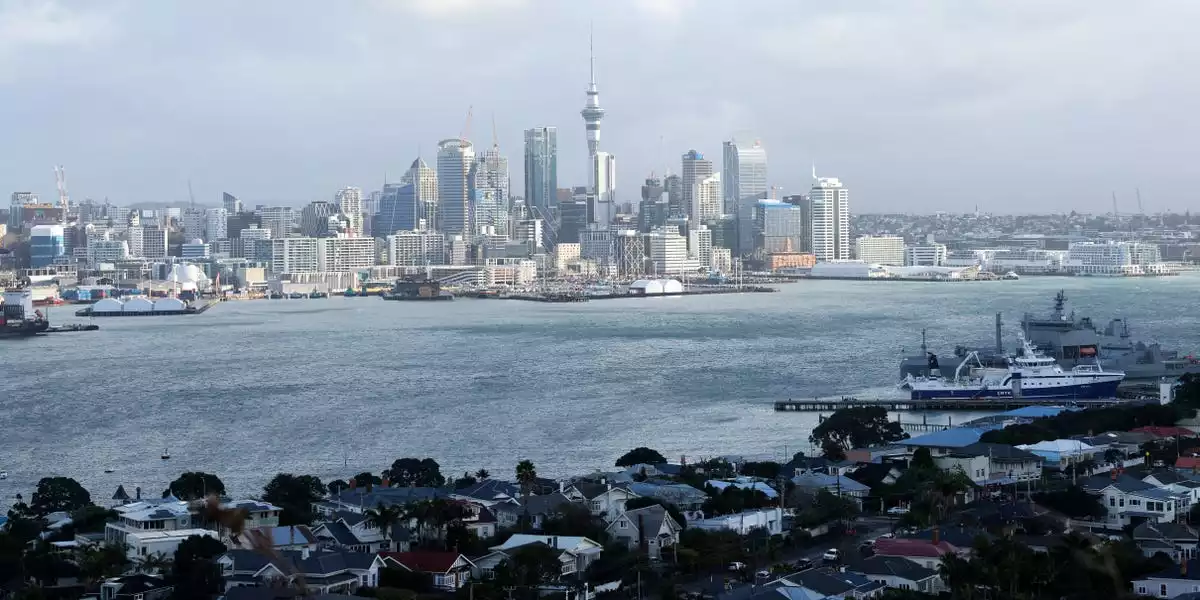
In a world where capital moves at the speed of geopolitical tremors, New Zealand’s recent policy recalibration marks a subtle but significant pivot. The government’s decision to partially reverse its 2018 foreign-buyer ban—allowing select “Active Investor Plus” visa holders to acquire or develop a single luxury residence valued at NZ$5 million or more—signals a nuanced approach to economic stewardship. Prime Minister Christopher Luxon’s administration is threading a needle: attracting global wealth without reigniting the housing affordability crisis that spurred the original ban.
This is not a wholesale reopening of the property market. Rather, it’s a precision instrument, designed to capture the attention—and capital—of ultra-high-net-worth (UHNW) individuals seeking geopolitical stability, while maintaining a firewall between luxury real estate and the broader housing stock. The government’s projection of NZ$3 billion in new capital inflows, with nearly half of the 300 initial applications coming from U.S. citizens, underscores the magnetic pull of New Zealand’s “apocalypse-insurance” appeal.
The New Geography of Capital: Geopolitical Hedges and Fiscal Multipliers
The timing of this policy shift is no accident. As global volatility intensifies, UHNW investors are diversifying into jurisdictions perceived as havens—places like New Zealand, Iceland, and certain Caribbean states. These are not just safe deposit boxes for wealth; they are lifeboats, complete with the promise of social stability, climate resilience, and political moderation. Wellington’s move is a deft monetization of this demand, offering exclusivity rather than open-door access.
The anticipated NZ$3 billion is only the tip of the iceberg. The real economic story lies in the second-order effects:
- Luxury property development: Construction, architecture, and design firms stand to benefit from bespoke projects catering to global elites.
- Professional and hospitality services: Legal, financial, and lifestyle management sectors will see increased demand.
- Philanthropic and adjacent capital flows: Golden-visa cohorts often bring with them not just wealth, but networks and a propensity to invest in local causes.
Crucially, these inflows—largely denominated in U.S. dollars—offer a timely counterbalance to New Zealand’s widening current-account deficit and a currency lagging behind commodity-export peers.
Innovation Magnetism: Deep-Tech, Digital Nomads, and the New Kiwi Ecosystem
Beyond the glint of luxury homes, the policy’s most transformative potential may lie in its impact on New Zealand’s innovation economy. The “Active Investor Plus” criteria do not merely reward passive capital; they prioritize venture and private-equity deployment into domestic businesses. Historically, New Zealand’s deep-tech sectors—quantum computing, agritech, aerospace—have suffered from a dearth of local venture capital, often forcing promising start-ups to migrate to Australia or Silicon Valley.
Now, with targeted inflows from U.S. and Asian tech investors, the funding gap could narrow. The move dovetails with the country’s ambitions in satellite launches and green hydrogen, potentially catalyzing a critical mass of activity around climate adaptation technologies—fields where New Zealand’s ESG credentials already resonate with institutional investors.
While the program is not explicitly designed for remote workers, its halo effect is expected to bolster digital-nomad inflows and reinforce demand for next-generation connectivity. This, in turn, could attract hyperscale cloud providers and further integrate New Zealand into the global digital economy.
Strategic Ripples: Investors, Policymakers, and the Global Talent Race
The policy’s architecture—allowing only one luxury dwelling per investor—serves as a bulwark against speculative flipping, yet it sets a new benchmark for premium property nationwide. Expect accelerated interest in branded residences and luxury eco-developments, particularly in hotspots like Queenstown, Wanaka, and Northland. For real-asset investors, the window to establish Kiwi-focused sub-funds is narrowing as supply-side scarcity looms.
Other nations, especially those balancing populist housing politics with capital-attraction goals, will watch closely. The “one-asset, high-value” clause may become a template for mid-sized economies such as Canada and Portugal, seeking to thread the same policy needle.
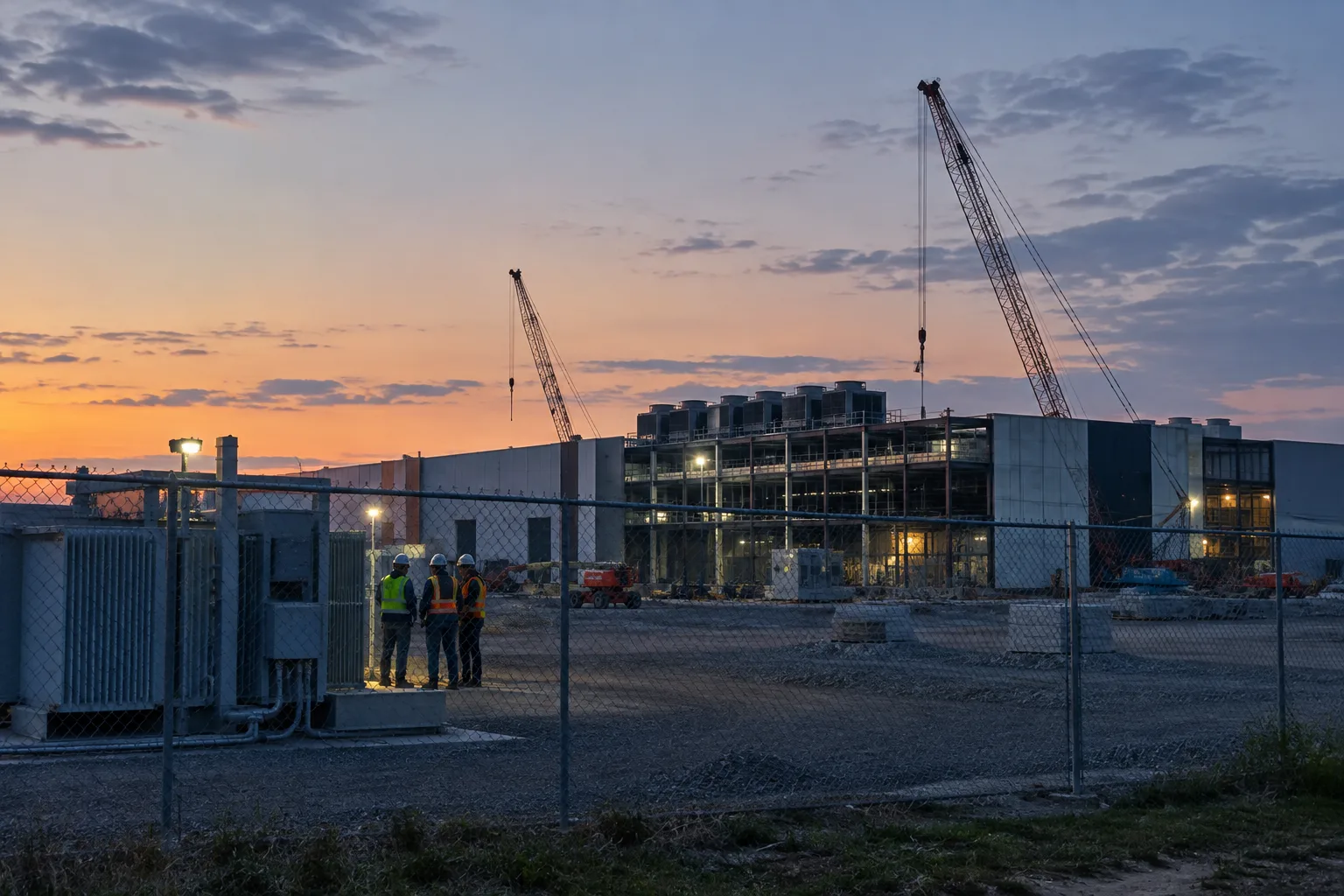
For multinationals and family offices, New Zealand has suddenly become more than a distant outpost—it’s a viable node in political-risk diversification strategies. The prospect of local subsidiaries, data centers, and family office satellites is now on the table, with implications for intellectual property, treasury functions, and operational resilience.
As the world’s wealthiest seek both sanctuary and opportunity, New Zealand’s experiment stands as a microcosm of a broader trend. By converting global anxiety into productive investment, the country is not just hedging against systemic risk—it’s positioning itself as a springboard for innovation and growth. The precision of this policy, and the sophistication of its intended audience, suggest a future where nations compete not just for capital, but for the trust and imagination of those who wield it.

 By
By

 By
By
 By
By
 By
By


 By
By