


Netflix’s Cloud Gaming Gambit: Redefining the Living Room for a Social Era
This holiday season, Netflix is poised to turn the living room into a digital playground, unveiling a suite of cloud-streamed party games that could recalibrate the company’s relationship with its 260 million subscribers. The move, which elevates multiplayer gaming to a core pillar of Netflix’s interactive ambitions, signals a decisive shift from passive, lean-back streaming to a more participatory, socially charged model of entertainment.
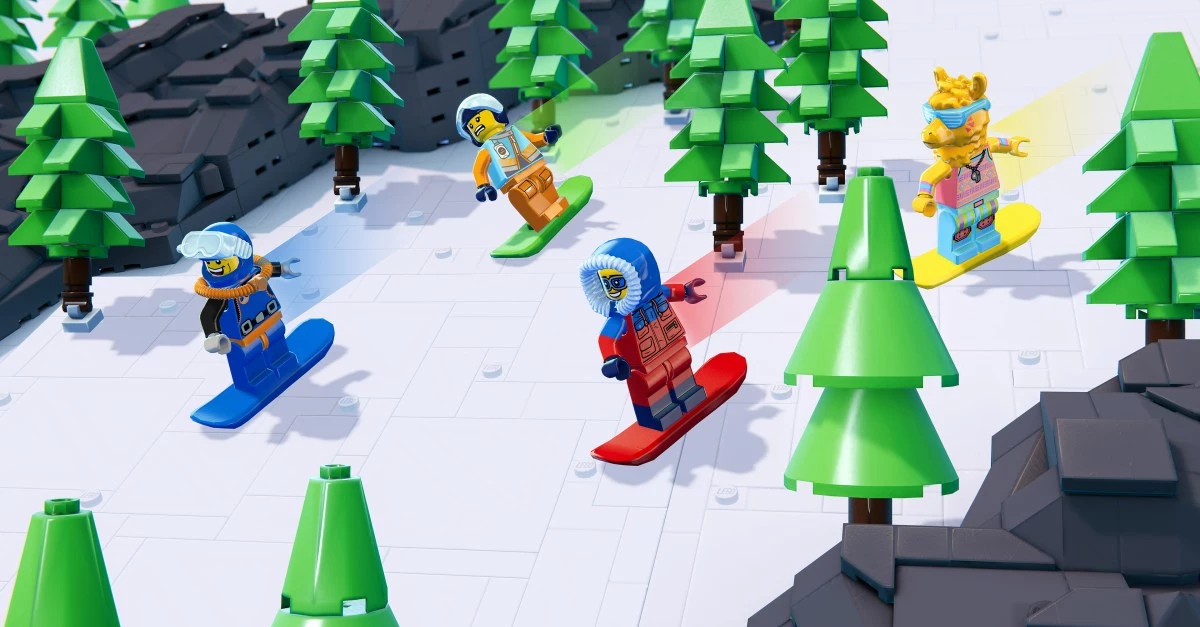
Five titles—Lego Party, Party Crashers: Fool Your Friends, Boggle, Pictionary, and Tetris Time Warp—will anchor this new initiative. Accessible via a dedicated “Games” tab, these experiences are streamed to any Netflix-compatible screen, with smartphones ingeniously repurposed as controllers. It’s a frictionless, device-agnostic approach that echoes the conviviality of Jackbox, but with the global reach and technical muscle only Netflix can muster.
Engineering the Future: Cloud-Native Play and Seamless Access
At the heart of this strategy lies Netflix’s formidable cloud infrastructure—a global content delivery network honed for low-latency video, now repurposed to deliver real-time, interactive gameplay. By treating game sessions as video streams, Netflix sidesteps the hardware barriers that have long gated traditional console gaming. The phone-as-controller paradigm not only democratizes access but also lowers the intimidation factor for non-gamers, inviting households to rediscover communal play.
Key technological differentiators include:
- Cloud-native delivery: Leveraging edge infrastructure for smooth, lag-free experiences.
- Device agnosticism: Decoupling input from display, enabling gameplay across TVs, laptops, and set-tops.
- Data flywheel: Multiplayer sessions generate rich behavioral telemetry—time-of-play, peer-matching, and social graph data—that can supercharge Netflix’s recommendation algorithms.
This approach is not merely about technical novelty. It’s a calculated play to weave gaming into the fabric of Netflix’s ecosystem, transforming what was once a solitary, screen-bound pastime into a shared, living-room ritual.
The Economics of Engagement: Retention, Monetization, and IP Leverage
Netflix’s foray into party games is, at its core, a retention strategy. By bundling these interactive experiences at no additional cost, the company aims to reduce subscriber churn—a critical imperative as growth plateaus in mature markets. Internal projections suggest that even a modest uptick in monthly retention could offset the substantial amortization of content costs, underscoring the economic logic behind the initiative.
The monetization roadmap is nuanced:
- Retention over immediate revenue: Party games are included in the subscription, focusing on engagement rather than direct monetization in the initial phase.
- Ad-supported optionality: Interactive sessions offer premium, brand-safe inventory—think sponsored in-game events or dynamic product placements—that could command higher CPMs than traditional video ads.
- Licensing flexibility: By spotlighting familiar IPs like Lego and Tetris, Netflix avoids the heavy capital outlays associated with original game development, maintaining financial agility while refining its engagement metrics.
This “royalty-light” approach allows Netflix to experiment nimbly, iterating on what resonates before committing to larger bets—a tactic that may well become a blueprint for media peers eyeing the interactive space.
Competitive Dynamics and the Broader Streaming-Gaming Convergence
Netflix’s pivot lands squarely at the intersection of streaming and gaming, a territory fraught with both opportunity and risk. Unlike the GPU-intensive ambitions of defunct platforms like Google Stadia, Netflix is betting on low-fi, high-social gameplay—a model that prioritizes inclusivity and accessibility over graphical fidelity. In doing so, it encroaches on the “third place” once dominated by Nintendo’s Switch and the casual corridors of Xbox Game Pass.
The implications ripple outward:
- Platform vendors may see increased demand for low-latency, edge-compute services as Netflix shifts from one-way streaming to interactive, bidirectional traffic.
- Consumer-electronics manufacturers could find new differentiation by bundling Netflix-certified, game-ready experiences, influencing hardware roadmaps for years to come.
- Marketers stand to benefit from high-attention, interactive ad formats embedded within party games—a rare opportunity for cross-screen attribution in a fragmented media landscape.
- Investors will be watching attach-rate metrics closely; if party game penetration surpasses 20% of the subscriber base by end-2025, Netflix will have validated a potent new growth vector.
As economic headwinds and shifting consumer habits challenge the status quo, Netflix’s move to cloud-native, socially-driven interactivity may well define the next chapter of home entertainment. For industry watchers and decision-makers, the message is clear: the living room is once again up for grabs, and the rules of engagement are being rewritten in real time.

 By
By
 By
By
 By
By




 By
By







