
The Multigenerational Renaissance: Redefining Leisure in the New Experiential Economy
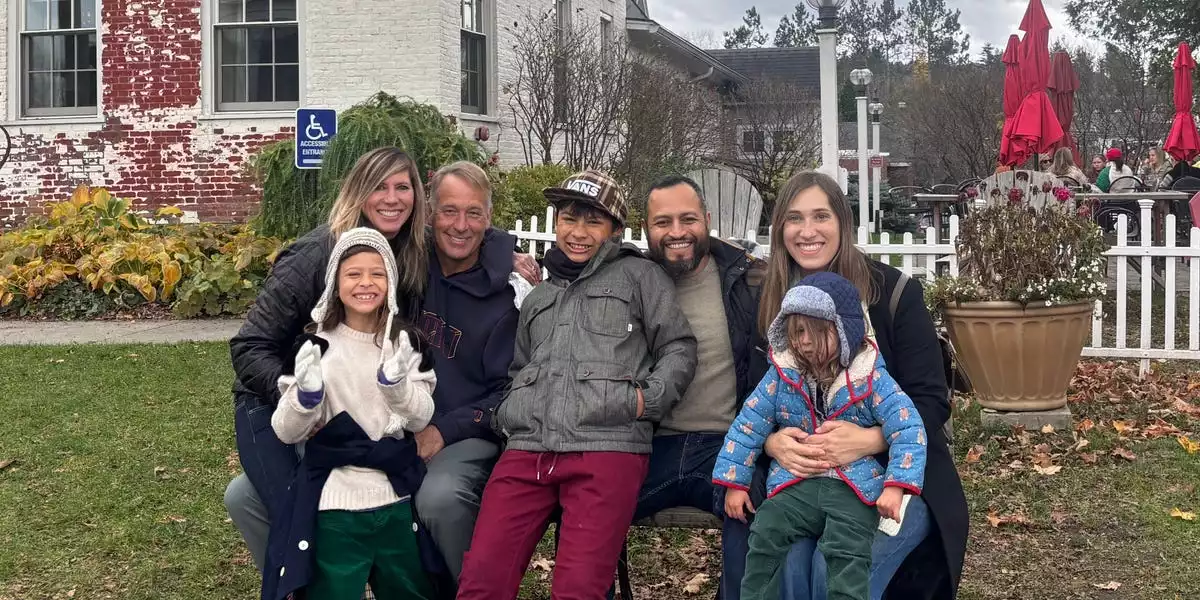
A crisp autumn weekend in Stowe, Vermont—framed by the gold and crimson of the Green Mountains—offers more than just a picturesque escape. It reveals, in microcosm, the profound transformation underway in American leisure culture. As families spanning three, sometimes four, generations pile into SUVs and wind their way to rural destinations, they are not merely seeking scenery. They are participating in a broader economic and societal shift: the resurgence of domestic, drive-to travel, and the elevation of memory-making experiences that bridge generational divides.
The New Face of Travel: Memory, Mobility, and the Silver Economy
The pandemic’s long shadow has receded, but its impact on consumer behavior endures. U.S. households are decisively pivoting from goods to experiences, with domestic leisure travel spending running 9–12% above 2019 levels. Within this surge, multigenerational itineraries have emerged as one of the fastest-growing segments, now accounting for an estimated 17% of all leisure travel bookings. Rural markets like Stowe—offering lower density, abundant outdoor activities, and seasonal draws—are reaping the benefits, capturing overflow from saturated urban and resort destinations.
Yet, beneath the surface, the real story is one of evolving family dynamics and economic power. Grandparents, often overlooked in travel marketing, now control approximately 35% of U.S. household wealth. Despite this, only 8% of travel campaigns explicitly target them. This “grand-nomics” represents a vast, under-tapped reservoir of discretionary spending. The silver economy is no longer passive; it is active, mobile, and increasingly central to the leisure ecosystem.
But there is a paradox at play. While grandparents are indispensable as caregivers, their own desire for respite and genuine participation in leisure is often unmet. The psychological and social value of temporary escape from caretaking—without relinquishing family connection—signals a white space for both hospitality operators and digital platforms. The need is not just for beds and meals, but for thoughtfully designed experiences that allow every generation to engage, recharge, and connect on their own terms.
Technology’s Quiet Revolution: Modular Design and Memory-Capture
The hospitality and travel sectors are responding, albeit unevenly, to these new demands. The next wave of innovation is less about opulence and more about adaptability—what might be called “elastic hospitality.” Configurable, adjacent rooms with sound-buffering, sensor-enabled safety features, and dual Wi-Fi bandwidths are becoming differentiators. Smart booking engines, sensitive to the composition of travel parties, now offer filters for privacy zones, baby gear, and accessibility, making it easier for families to plan seamless, multigenerational trips.
Generative AI is poised to play a transformative role. By parsing behavioral data and age profiles, AI-driven platforms can curate micro-itineraries that balance the needs of toddlers, parents, and seniors—harmonizing nap cycles with mobility constraints and culinary preferences. In parallel, on-demand services such as childcare, mobility-friendly excursions, and small-group culinary experiences, bundled via app-based micro-transactions, unlock new revenue streams and elevate the guest experience.
Memory-capture technology is also evolving. Lightweight AR overlays on hiking trails or museum exhibits allow grandparents and grandchildren to co-explore, learn, and create together. The emergence of NFT-backed family archives—digital scrapbooks with immutable provenance—signals a future where the family vacation is not just remembered, but preserved as a living, shareable asset.
Strategic Imperatives: Marketing, Policy, and Investment in the Age of Longevity
For decision-makers, the implications are clear and urgent. Hospitality and travel brands must carve out distinct, “grandparent-inclusive” segments, converting caretaking relief into loyalty perks and status benefits. Consumer-goods firms have an opportunity to bundle cross-generational products—think analog board games with digital app extensions—that foster shared play and travel easily.
Corporations, too, are rethinking employee benefits. “Family experience stipends” are gaining traction as part of holistic wellness programs, recognizing the centrality of caregiving in modern life. Travel-tech vendors are exploring partnerships with HR platforms to integrate dynamic pricing for employee-sponsored, multigenerational getaways—an innovation that aligns talent retention with the realities of family life.
From an investment perspective, the intersection of care-tech and travel represents a multi-billion-dollar opportunity. Platforms that meld caregiver respite logistics with leisure booking could tap a total addressable market exceeding $35 billion across North America and Western Europe. Hospitality REITs, meanwhile, are considering adaptive, multi-suite configurations to capture premium rates from larger family cohorts seeking privacy and convenience.
With the U.S. population aged 65 and over set to rise from 17% to 22% by 2030, the convergence of longevity, wealth concentration, and a post-pandemic appetite for shared experiences will only accelerate. Inflation may temper some discretionary spending, but experiences that deliver emotional return on investment—and eliminate the friction of hidden caregiving—are likely to remain resilient.
The Stowe narrative, then, is not merely a family anecdote. It is a harbinger of a new era in leisure: one where decoding the complexities of intergenerational travel, leveraging modular technology, and speaking directly to the active grandparent will define the winners of the next experiential economy. For those with the foresight to act, the rewards will be as enduring as the memories they help create.

 By
By
 By
By
 By
By
 By
By
 By
By


 By
By