

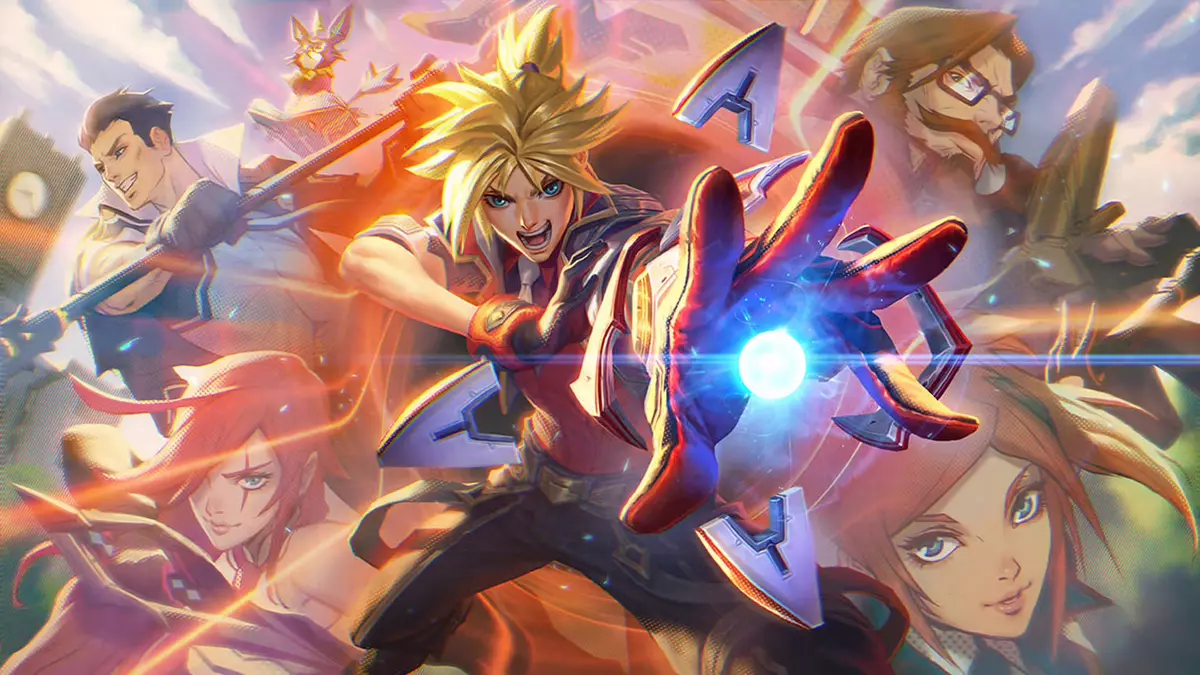

A Paradigm Shift in Competitive Gaming: League of Legends Embraces WASD Movement
For over fifteen years, League of Legends has stood as a paragon of the point-and-click tradition—a digital chessboard where the mouse reigns supreme, and every right-click is a brushstroke in a ballet of micro-movements. Now, Riot Games is poised to disrupt its own orthodoxy, piloting a WASD keyboard movement option that signals a profound shift not only for the game itself but for the broader competitive landscape.
Engineering the Future: From Mouse Pathing to Keyboard Precision
The technical implications of this transition are nothing short of transformative. Integrating continuous keyboard polling into League’s engine architecture demands a meticulous reimagining of how positional data is processed. In a genre where milliseconds separate triumph from defeat, Riot’s engineers must ensure that the introduction of WASD movement does not tip the delicate scales of latency. Every keystroke must be interpolated and transmitted with the same fidelity as the game’s storied mouse-click pathing, lest the competitive integrity so fiercely guarded by the community be compromised.
This move also represents a convergence of human–computer interface paradigms. By aligning with the FPS and MMO standard, League collapses the cognitive friction for players who shuttle between genres—a subtle nod to the increasing fluidity of gamer identities. The result is a user experience that feels both familiar and novel, inviting a new generation of players who have grown up with WASD as their lingua franca.
Riot’s dual-cohort approach—testing both control schemes in parallel—ushers in a new era of data-driven design. The company stands to harvest a trove of behavioral telemetry, leveraging machine learning to fine-tune balance and responsiveness. This iterative feedback loop, reminiscent of Valorant’s weapon tuning, ensures that neither input paradigm gains undue advantage, preserving the game’s competitive soul.
Economic Ripples: Expanding the League Ecosystem
Beneath the surface, the economic calculus is equally compelling. League’s monthly active user base has plateaued, even as rivals like Fortnite and Apex Legends siphon away Gen-Z attention and spending. By lowering the mechanical barrier to entry, Riot opens the door to a broader audience—transforming “installed but lapsed” accounts into engaged, revenue-generating players. Given League’s reliance on cosmetic microtransactions, even modest upticks in retention can yield outsized returns.
The harmonization of control schemes across Riot’s portfolio is a strategic masterstroke. Valorant players, already steeped in WASD muscle memory, may find themselves more inclined to explore League, reinforcing the company’s cross-title lifetime value thesis. This ecosystem gravity not only deepens player engagement but also enhances the appeal of Riot’s esports offerings. A larger, more diverse player base translates into greater viewership, higher sponsorship valuations, and a virtuous cycle of investment in the competitive scene.
Peripheral manufacturers are unlikely to miss this opportunity. Expect to see “League-optimized” keyboards, firmware tuned for the unique demands of QWER-ASD triangulation, and branded collaborations that echo the success of Valorant’s hardware partnerships. For sponsors and esports teams, the evolving input landscape promises new avenues for talent scouting and premium inventory.
Strategic Undercurrents: Accessibility, Platform Fluidity, and Risk
The implications of WASD movement extend beyond mere convenience. Adaptive peripherals—essential for gamers with disabilities—are often more compatible with keyboard-based input, positioning League at the forefront of the industry’s accessibility movement. This is not just a technical upgrade; it is a statement of inclusivity, one that may resonate with a rapidly professionalizing accessibility segment.
Moreover, the shift narrows the mechanical divide between League’s PC and mobile incarnations. With Wild Rift already leveraging virtual joystick controls, a unified input philosophy paves the way for future cross-platform play, enabling players to oscillate seamlessly between desktop and mobile sessions.
Yet, the path forward is not without peril. The specter of core-player backlash looms large; for many, mouse pathing is sacrosanct, and any perceived erosion of tactical depth could ignite controversy. Maintaining two parallel control pipelines will strain development resources, and tournament organizers must grapple with the complexities of ensuring competitive fairness across divergent input schemes.
The Stakes of Reinvention
The integration of WASD movement into League of Legends is more than a technical footnote—it is a calculated wager on the future of gaming itself. By embracing input standardization, Riot Games positions its flagship title to thrive amid shifting demographics, evolving platforms, and the relentless convergence of genres. If successful, this pivot will not only expand the game’s reach and revenue but also offer a blueprint for legacy franchises seeking renewal in a landscape defined by change. The eyes of the industry now turn to League, watching to see if tradition and innovation can coexist on the same battlefield.

 By
By


 By
By
 By
By

 By
By
 By
By







