


A snack brand’s unlikely ascent into TikTok’s accountability economy
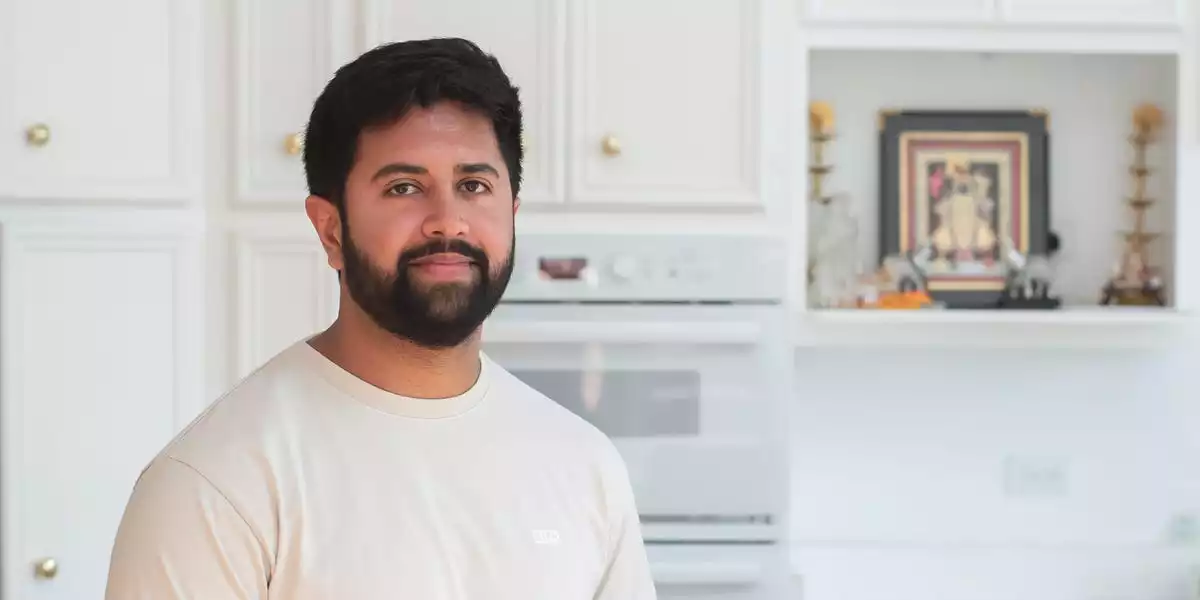
Jay, the founder behind Daadi Snacks’ TikTok presence, is emerging as a defining figure in the “de-influencer” movement—an online countercurrent that challenges the entitlement, opacity, and transactional norms that have come to characterize parts of influencer culture. What began as straightforward family-business promotion has evolved into a highly shareable format: deadpan, satirical critiques of creators who allegedly demand freebies, special treatment, or brand concessions without clear value exchange.
The commercial impact is difficult to ignore even without direct monetization of the critique itself. Jay’s videos routinely pull millions of views, and Daadi Snacks has surpassed one million followers, turning a product-led account into a cultural touchpoint. This is a notable inversion of the typical influencer funnel: instead of a brand borrowing credibility from creators, a brand-owned channel is manufacturing credibility through commentary, then converting that attention into awareness and affinity.
At the same time, the reactions reveal the tension at the heart of today’s creator economy. Audiences often applaud Jay’s candor as overdue accountability; some influencers respond defensively—through blocking, public rebuttals, or even legal threats. The result is a high-visibility case study in how quickly social platforms can transform a small business into a de facto watchdog, and how fragile reputations can become when critique is algorithmically rewarded.
How TikTok’s design turns critique into a growth engine
TikTok’s engagement-first mechanics have long been optimized for velocity: rapid consumption, frictionless sharing, and formats that encourage remixing (including duets and stitches). In this environment, contrarian humor and “call-out” narratives can outperform polished brand messaging because they deliver instant emotional clarity—surprise, indignation, or relief that “someone finally said it.”
Jay’s rise illustrates a form of attention arbitrage: the ability to convert public frustration with influencer excess into repeatable content, then translate that attention into durable brand recognition. The platform’s incentives matter here. When the algorithm prioritizes watch time, replays, comments, and shares, it naturally elevates content that sparks debate—even if the creator is not buying ads, not running promotions, and not following conventional marketing playbooks.
For business and technology leaders, the deeper takeaway is that platform architecture is increasingly shaping market narratives. TikTok is not merely distributing content; it is selecting for certain kinds of speech—including satire, critique, and “receipts”—and accelerating those voices into mainstream visibility. That has implications for every brand that depends on influencer partnerships, because the same mechanics that can build a creator can also rapidly dismantle one.
Key platform dynamics at play include:
- Democratized scrutiny: small accounts can challenge high-profile figures and still win distribution
- Virality through moral clarity: audiences reward content that frames behavior as fair/unfair, honest/dishonest
- Remixable accountability: duet and stitch features enable collective commentary and rapid pile-on effects
The new economics of authenticity in a $44B influencer market
Jay’s timing is not incidental. Influencer marketing is projected to approach $44 billion this year, and as budgets scale, so does pressure to prove return on investment. Many brands are moving beyond raw reach toward harder questions: *Was engagement meaningful? Did sentiment improve? Did purchase intent rise?* In that context, Jay’s “subversive authenticity”—the willingness to criticize influencer behavior rather than flatter it—functions as a trust signal.
This is where the de-influencer movement becomes economically relevant. It suggests that the market is entering a phase where credibility is scarce, and the ability to appear unscripted, skeptical, or even adversarial can outperform conventional sponsored content. For marketers, the implication is not that influencer marketing is collapsing, but that it is fragmenting into micro-ecosystems where trust is earned differently.
Several strategic shifts are emerging:
- From scale to signal: brands increasingly value audience quality, not just follower counts
- From endorsement to evidence: creators and partners may need clearer proof of impact and audience fit
- From polished to candid: “imperfect” content can read as more believable than high-production ads
- From celebrity to micro-communities: niche credibility may deliver lower churn and higher conversion
Jay’s model also highlights a subtle but important point: brand-owned media can behave like creator media. When a company’s channel becomes entertaining and culturally legible on its own, it reduces dependency on paid partnerships—while still benefiting from the broader creator ecosystem’s attention patterns.
Governance, legal exposure, and the push for professional standards
The backlash Jay has faced—blocking, retaliation, and cease-and-desist threats—underscores how influencer marketing still operates with uneven norms and limited standardization. Virality can outpace legal review, brand safety checks, and crisis playbooks. For businesses, this is not merely a social media drama cycle; it is a governance problem.
As creator-brand relationships scale, the industry’s lack of unified standards increases risk across multiple fronts:
- Disclosure ambiguity: inconsistent sponsorship labeling erodes consumer trust and invites regulatory scrutiny
- Reputation spillover: a partner’s controversy can quickly attach to the sponsoring brand
- Contractual fragility: unclear deliverables and performance metrics create disputes and wasted spend
- Legal escalation: defamation claims, takedown demands, and jurisdictional complexity rise with reach
The forward-looking response is likely to be a blend of measurement discipline and ethical infrastructure. Industry coalitions may accelerate common benchmarks for disclosure, audience verification, and impact measurement. Technology may also play a role: proposals such as blockchain-based proof of sponsorship or smart-contract compliance tooling reflect a broader desire for real-time transparency—though adoption will depend on usability and whether platforms and agencies align on standards.
For platforms, the challenge is equally strategic. If TikTok and peers benefit from engagement-driven critique, they also inherit the downstream consequences: harassment dynamics, misinformation risks, and escalating disputes. Expect more emphasis on creator education, clearer moderation pathways, and professionalization initiatives—especially as the creator economy becomes a mainstream employment channel rather than a side hustle.
Jay’s story ultimately captures a turning point: influencer culture is no longer just about aspiration—it’s about accountability. Brands that treat critique as market intelligence, build campaigns resilient to skepticism, and invest in transparent partnerships will be better positioned for the next phase of digital marketing—one where trust is the most expensive input and the most valuable output.

 By
By
 By
By
 By
By

 By
By

 By
By
 By
By







