
When Street Robots Meet the Creator Economy: A Collision of Hardware, Identity, and Law
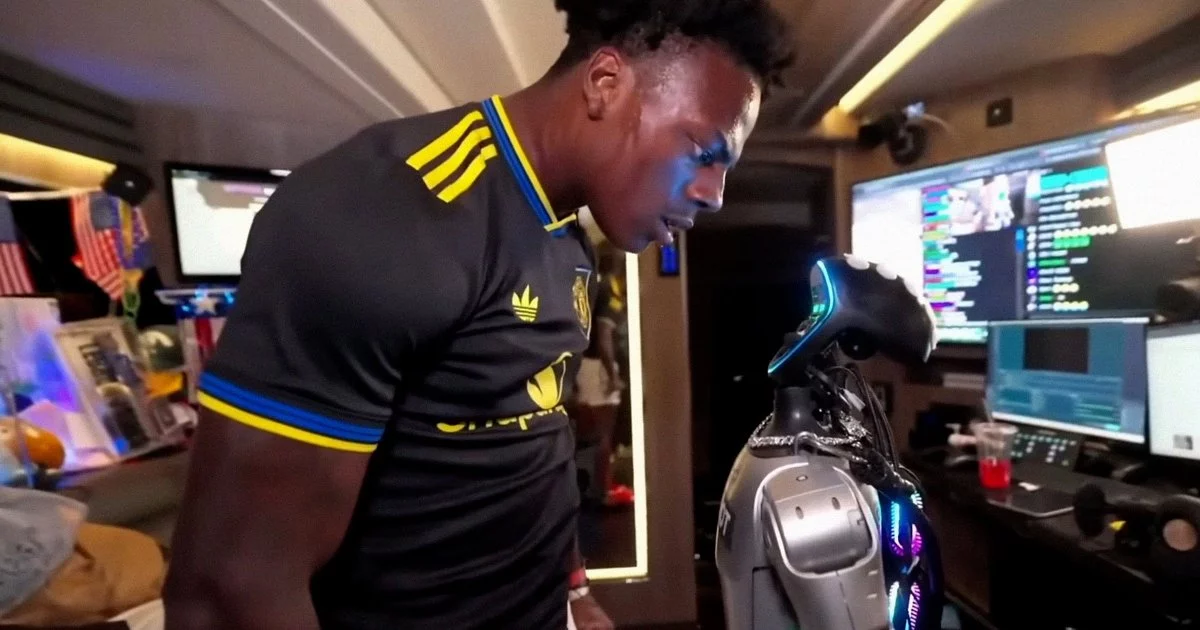
In an era where the boundaries between the physical and digital are dissolving at an unprecedented pace, the recent high-profile attack on “Jake the Rizzbot”—a consumer-grade, bipedal robot—offers a rare glimpse into the volatile intersection of robotics, influencer culture, and legal ambiguity. The incident, which unfolded live before millions, was not merely a viral spectacle but a harbinger of the social, economic, and regulatory dilemmas that will define the next chapter of the creator economy.
Jake the Rizzbot, first a quirky street performer in Austin and later a celebrated LGBTQ+ figure in West Hollywood, became the unlikely protagonist in a million-dollar lawsuit after being physically assaulted by YouTube titan Darren “IShowSpeed” Watkins Jr. during a livestream. The developer, Social Robotics, claims not only hardware damages but also the loss of lucrative media opportunities—most notably with MrBeast and CBS’s NFL Today Show. Beneath the surface, this episode reveals a kaleidoscope of forces reshaping the business of entertainment, technology, and law.
—
Robots as Media Assets: The New Economics of Attention
The democratization of humanoid robotics is accelerating at a pace that would have seemed fanciful just a few years ago. Unitree’s G1 platform, the chassis underlying Rizzbot, retails for a fraction of what legacy humanoids once commanded, lowering the barrier for “robot street-level activations” in retail, entertainment, and live events. But it is not merely the hardware that is transformative; it is the software—the cloud-based LLM stack and remote tele-operation—that imbues these machines with personality, wit, and, in Rizzbot’s case, a distinctive queer identity.
This hybrid model, where low-cost robotics are paired with high-margin, SaaS-style personality libraries, is quietly revolutionizing the economics of the influencer ecosystem. Consider the numbers: a single cameo with MrBeast, whose videos routinely command 100–150 million views, is valued at upwards of $2 million by media buyers—on par with the CPM of a Super Bowl spot. The destroyed robot chassis may cost $10,000, but the lawsuit’s $1 million claim is anchored in “attention equity,” the intangible yet immensely valuable currency of the social-robot space.
Key Commercial Shifts:
- Hardware vs. Digital Equity: The physical robot is now merely a vessel; its true value lies in the personality and audience it commands.
- Insurance Gaps: Traditional policies falter in covering influencer robots, prompting the need for bespoke coverage blending equipment, IP, and reputational harm.
- Live-Stream Vulnerabilities: Robots as mobile content studios are uniquely exposed to real-time harassment, creating new vectors for both risk and reward.
—
Legal Gray Zones: From Chattel to “Electronic Personhood”
The legal aftermath of the Rizzbot incident has exposed a profound ambiguity in the status of AI-embodied physical assets. U.S. tort law still treats robots as property—chattel to be protected, not persons to be assaulted. Yet the language of the lawsuit borrows from human protections, hinting at a future where “electronic personhood” is not merely a philosophical curiosity but a legislative reality. The EU’s draft AI Liability Directive is already probing this frontier.
Simultaneously, the livestreamed nature of the attack spotlights the inadequacy of current platform liability frameworks. Section 230, the bulwark of internet safe-harbor, was never designed for scenarios where physical harm unfolds in real time via AI-embodied agents. As advertisers insert “no bot harm” clauses into contracts—mirroring animal welfare disclaimers in film—brand safety and ESG concerns are rapidly migrating from the digital to the physical realm.
Emerging Legal and Policy Questions:
- Assault vs. Vandalism: Where does the law draw the line when semi-autonomous agents are targeted?
- Platform Duty of Care: Should livestreaming platforms be held liable for physical harm to robots during broadcasts?
- Standardization Incentives: Will policy makers offer R&D credits for companies adopting public-facing robot safety norms?
—
The Rise of Physical-Digital Hybrids and the Future of Brand Engagement
Beyond the immediate legal and economic fallout, the Rizzbot saga signals the dawn of a new era in brand engagement—one where physical-digital influencer hybrids become persistent, monetizable touchpoints. Virtual avatars like Lil Miquela have demonstrated the power of synthetic personalities; Rizzbot, with its tactile presence and LGBTQ+ persona, adds a new dimension, blurring the lines between live event marketing and online creator culture.
Non-Obvious Trends to Watch:
- Robotics-as-a-Service (RaaS): Fans are already paying for digital skins and remote “tele-presence rides,” merging microtransactions with physical experiences.
- Diversity Signaling: Robots as vessels for DEI narratives can both galvanize communities and provoke backlash, making them potent but polarizing assets.
- Robot-Safe Sets: Brands and advertisers are extending safety protocols from digital to physical collaborations, demanding real-time intervention controls for livestreams.
For forward-thinking executives, the lesson is clear: social robots are no longer novelties but strategic media assets. Those who invest in robust governance, insurance, and IP structures—treating robots with the same rigor as human talent—will not only weather the storms of spectacle but seize the competitive edge in a world where the line between human and machine is increasingly performative, and always in flux.

 By
By
 By
By
 By
By

 By
By

 By
By
 By
By