

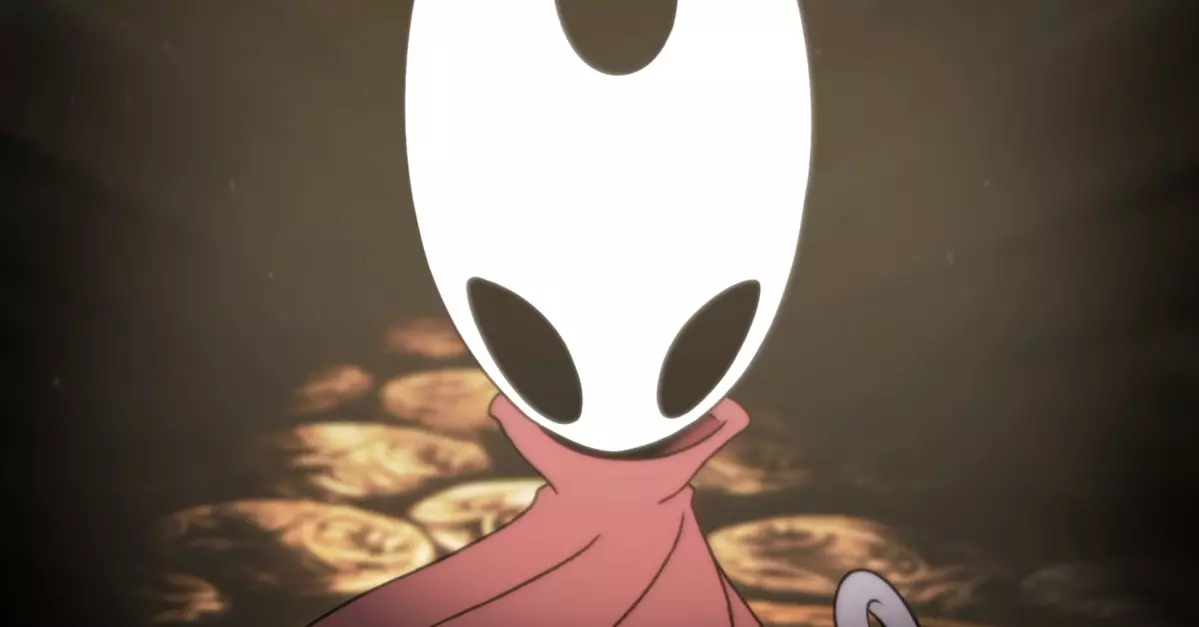

Navigating Inflation and Value: The Calculated Economics Behind Silksong’s Launch
In an era where blockbuster games routinely breach the $70 ceiling, the upcoming launch of Hollow Knight: Silksong at $19.99 is both a statement and a strategy. Team Cherry’s decision to price the sequel just $5 above its 2017 predecessor—and to defend this as a pure inflation adjustment—signals a nuanced understanding of both macroeconomic headwinds and shifting consumer psychology. The move comes as Silksong sits atop Steam’s most-wishlisted charts, a rarefied position that speaks to a groundswell of pent-up demand, and as the studio prepares for a simultaneous release across Nintendo Switch, PlayStation, Xbox, PC, and Xbox Game Pass.
Key Pricing Dynamics:
- Inflation-Adjusted Restraint: The 33% nominal price increase over eight years equates to roughly 2.9% compound annual inflation—conspicuously lower than the 3.5–5% range seen in most advanced economies. Team Cherry is not chasing margin expansion, but rather preserving purchasing power and staving off the sticker shock that plagues AAA launches.
- Global Accessibility: By holding the line at $20, Silksong remains accessible in emerging markets, where currency depreciation can otherwise render digital storefront prices prohibitive. This is more than altruism; it’s a calculated long-tail revenue play that keeps first-party sales high-margin and broadens the base for future DLC and merchandising.
- Psychological Anchoring: The sub-$20 price point is not arbitrary. Data from digital marketplaces like Steam show a sharp drop in impulse purchases once games cross the $24.99 threshold. Silksong’s pricing ensures it remains firmly within the “just one more game” territory for millions of players.
Platform Parity and the Subscription Gambit
The industry’s old playbook of staggered, platform-exclusive launches is rapidly fading. Silksong’s cross-ecosystem, day-one release is a direct response to the social dynamics of modern gaming—where launch-window buzz and community engagement can make or break a title’s momentum.
Strategic Distribution Moves:
- Simultaneous Multi-Platform Release: By launching everywhere at once, Team Cherry captures the full force of social media chatter, Twitch streams, and YouTube impressions, rather than diluting impact across months or years.
- Game Pass as a Launchpad: Inclusion in Xbox Game Pass is more than a marketing bullet point. With 34 million subscribers, the service offers an upfront payment from Microsoft, de-risking launch cash flows and turbocharging visibility. Crucially, Game Pass is increasingly a discovery engine: players “sample” games within the subscription, then purchase them outright on preferred platforms—a dynamic that can drive premium sales long after launch.
- Wishlist Leverage: Silksong’s position atop Steam’s wishlist rankings isn’t just a vanity metric. In the indie segment, wishlist counts correlate strongly with day-one sales and can be wielded as negotiating leverage for better placement and revenue-share terms with digital storefronts.
Production Realities and the Indie Value Proposition
The nearly eight-year gap between Hollow Knight and its sequel is a double-edged sword. On one hand, it reflects escalating production values and the growing ambitions of even the smallest studios. On the other, it tests the patience of a community increasingly accustomed to rapid content cycles.
Production and Technology Insights:
- Efficient Asset Reuse: Early footage suggests that Silksong builds on the code and animation libraries of its predecessor, a practice that can trim production costs by 15–20%. This mirrors the iterative efficiencies seen in mobile development, allowing indies to punch above their weight.
- Engine Ecosystem Uncertainty: Team Cherry’s continued use of Unity—despite recent controversy over runtime fees—will be closely watched. The outcome may influence whether other studios double down on Unity or migrate to alternatives like Godot or bespoke C++ frameworks.
- Value Density: Even with the price hike, Silksong’s expected hours-of-content-to-dollar ratio remains well below $0.50 per hour, a metric that underscores why indies continue to thrive amid cost-of-living pressures.
Signals for Industry Stakeholders: Lessons in Discipline and Opportunity
The Silksong launch is more than a single studio’s bet—it is a case study in disciplined pricing, platform diversification, and data-driven decision-making. As AAA budgets balloon and timelines stretch, premium indies are carving out a lucrative “Goldilocks zone” between bargain-bin and blockbuster.
Implications for Market Players:
- Publishers: Maintaining a portfolio of sub-$25 titles can hedge against AAA delays and rising development costs. Steam wishlist data and cross-platform launches are now essential bargaining chips in negotiations with subscription platforms.
- Platform Holders: Indies deliver engagement minutes at a fraction of the cost of AAA titles. Structured first-look deals and currency-sensitive pricing tools offer high ROI and global reach.
- Investors: Early metrics like wishlist counts and social sentiment are increasingly reliable leading indicators for private studios. Engine vendor risk, highlighted by Unity’s recent turbulence, should be factored into due diligence.
- Indie Studios: Transparent, inflation-linked pricing rationales can inoculate against community backlash. Building IPs with transmedia potential—much like Hollow Knight’s lore-rich universe—offers optionality for future adaptation.
Silksong’s launch strategy is a blueprint for navigating inflation, maximizing reach, and sustaining community goodwill in a market defined by volatility and opportunity. For decision-makers across the industry, the lessons are clear: value, accessibility, and agility are the new pillars of success.

 By
By
 By
By

 By
By
 By
By

 By
By








