

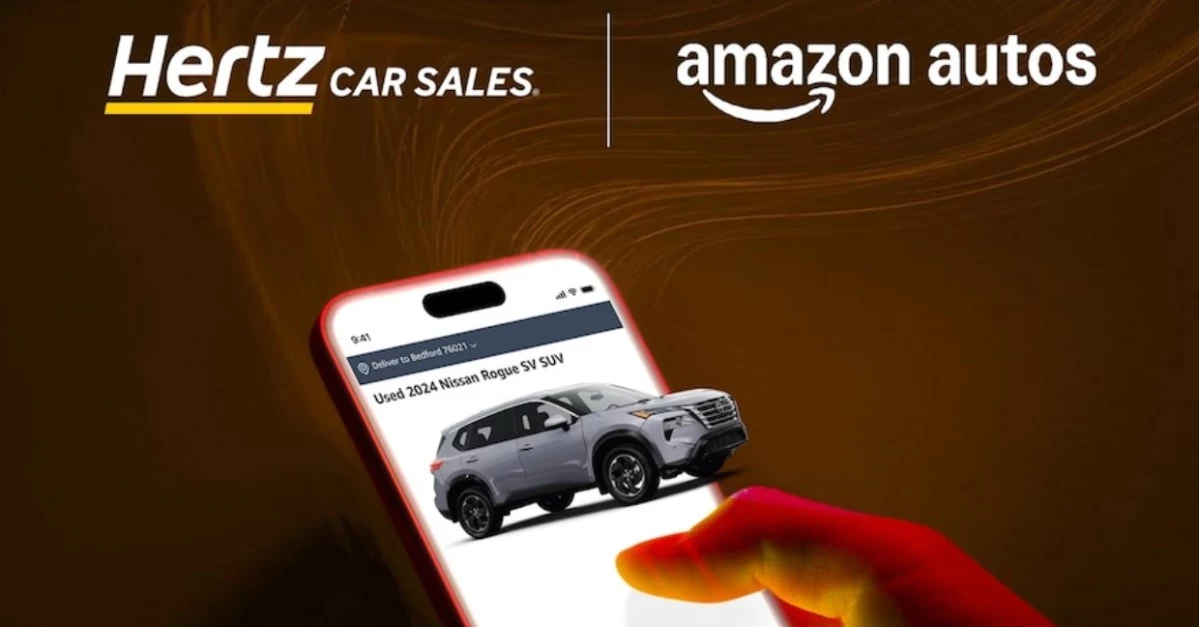

Where Cars Meet Carts: The Unlikely Fusion of Hertz and Amazon Autos
There is a certain poetry in the notion that, in 2024, a consumer might toss a used Toyota Camry into their Amazon shopping cart alongside a set of bath towels and a box of cereal. Yet this is no speculative fiction—Hertz, the storied rental car giant, is piloting a program that allows buyers in Dallas, Houston, Los Angeles, and Seattle to purchase retired rental vehicles directly through Amazon Autos. The implications ripple far beyond convenience, signaling a tectonic shift in how Americans might discover, finance, and ultimately own their next car.
The Economics of Fleet Meets Marketplace
For Hertz, the partnership is a masterclass in asset optimization. Rental fleets, by their nature, are in a state of perpetual depreciation—each mile, each rental, a slow erosion of value. Traditionally, the end of a vehicle’s rental life meant a trip to the wholesale auction block, where margins are shaved by transport, floor time, and a gauntlet of intermediaries. By listing inventory directly on Amazon, Hertz sidesteps these frictions, potentially recouping an additional 7–12 percentage points per vehicle. The calculus is simple: more net proceeds, less logistical drag.
But the real alchemy is Amazon’s. The used car, with its average U.S. ticket price hovering near $28,000, is a category that dwarfs the annual Prime spend of multiple households. Each sale is not just a transaction, but a portal to a suite of ancillary revenues—Amazon Pay, financing, insurance referrals, and the tantalizing prospect of future parts-and-service commerce. The flywheel, reminiscent of Amazon’s early forays into consumer electronics, spins faster with every closed deal.
The Digital Chassis: Data, Integration, and the New Retail Experience
Underpinning this collaboration is a sophisticated data architecture. Hertz must stream vehicle-specific maintenance, mileage, and damage records directly into Amazon’s listing schema, offering a level of transparency that could become the industry standard. This API-driven integration is more than a technical feat—it’s a template for other fleet operators, from ride-hailing companies to subscription services, to plug into the e-commerce juggernaut with minimal friction.
Amazon, for its part, is experimenting with digital-first features that hint at a future where the entire car-buying journey could be remote. Scheduling widgets, ID verification, and even digital finance-and-insurance paperwork are being woven into the checkout flow. The physical handoff—picking up the car at a Hertz Car Sales outlet—may soon be eclipsed by logistics-enabled home delivery, a move that would further compress the distance between virtual cart and physical driveway.
There are subtler, more strategic plays at work as well. Vehicle data harvested through the sales cycle can enrich Amazon Web Services’ Connected Mobility offerings, while Alexa-enabled interfaces in newer models open the door for post-sale engagement—think voice-activated parts orders or subscription upgrades. The feedback loop between hardware and e-commerce grows ever tighter.
Competitive Tensions and the Road Ahead
The Hertz–Amazon alliance lands at a moment of mounting pressure for traditional dealers. Post-pandemic, franchise dealer grosses on used vehicles remain robust, but the well of inventory is running dry. By providing a direct-to-consumer front end, Amazon and Hertz inject new competitive tension, compelling OEM-aligned dealers to accelerate their own omnichannel investments or risk ceding ground.
Meanwhile, the broader market is in flux. As new-vehicle inventories normalize, wholesale used prices are softening, prompting Hertz to diversify its retail outlets and Amazon to build credibility in a category where it carries no residual-value risk. Regulatory scrutiny is intensifying as well—the FTC’s forthcoming “CARS Rule” will demand unprecedented transparency in digital retail, and Amazon’s interface may well set the compliance benchmark.
There are also echoes of the electric future. Hertz’s ambitious EV fleet, once a symbol of transformation, now faces the reality of slower-than-expected utilization and elevated repair costs. Direct retailing on Amazon offers a flexible exit channel for surplus EVs, mitigating balance-sheet exposure as the market finds its footing.
Strategic Ripples: Finance, Data, and the Shape of Mobility
The non-obvious opportunities are where the story deepens. Embedded finance—routing loans through Amazon’s fintech stack or co-branding with banks—could yield incremental profits and cross-sell opportunities. Telematics data, collected during the rental period, may soon inform usage-based insurance pricing, blending e-commerce profiles with real-world driving behavior to refine underwriting.
Sustainability, too, gets a boost. By shortening the logistical path from fleet to consumer, the partnership trims emissions—a win for both Amazon’s Climate Pledge and Hertz’s ESG narrative.
For automakers, the message is clear: the pressure to enable direct online sales of off-lease units is mounting, and certified pre-owned overlays on neutral platforms like Amazon may soon be table stakes. Dealers, meanwhile, must pivot to differentiated services—software updates, EV charging, CRM-driven engagement—or face a future of margin compression.
As the boundaries between transportation and technology dissolve, the Hertz–Amazon experiment offers a glimpse into a marketplace where the act of buying a car is as frictionless as ordering a pair of sneakers. The next 18 months will reveal whether this fusion of asset-heavy mobility and asset-light e-commerce is a fleeting novelty or the new normal.

 By
By

 By
By
 By
By
 By
By

 By
By
 By
By







