
Google’s Pixel Gambit: Hardware as the Trojan Horse for an AI-First Future
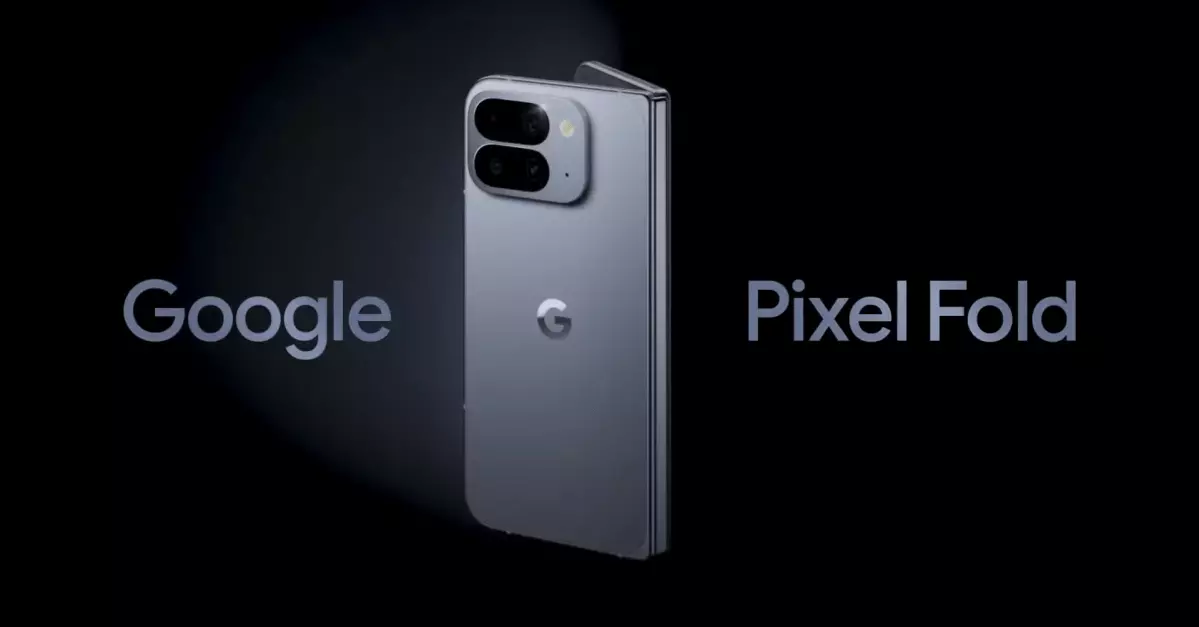
The recent, sweeping leak of Google’s entire 2024–2025 Pixel lineup is more than a mere spoiler of launch-day spectacle—it’s a window into the company’s evolving ambitions at the intersection of hardware, software, and AI-driven services. The disclosed roadmap, spanning the $799 Pixel 10 to the audacious $2,149 Pixel 10 Pro Fold, together with a refreshed Pixel Watch and the new “PixelSnap” Qi2 wireless-charging ecosystem, signals a calculated shift. Google is no longer content playing the perennial upstart in consumer hardware; it is orchestrating a multi-pronged strategy to anchor users, developers, and partners within a vertically integrated, AI-powered ecosystem.
Price, Positioning, and the Art of Market Segmentation
In this new era, Google’s Pixel family is unmistakably mirroring the breadth and segmentation sophistication of Apple’s iPhone lineup. The four-tier Pixel 10 range, stretching from mainstream to ultra-premium, is a deliberate move to:
- Capture a wider spectrum of consumers—from the value-conscious to the early-adopter elite.
- Discourage Android-to-iOS defection by providing a clear, internal upgrade ladder.
- Seed cross-sell opportunities for services like Pixel Pass and Gemini AI, echoing Microsoft’s “Surface + Copilot” bundling playbook.
The aggressive price escalation—up to 5% on foldables, 30% on earbuds—reflects a shrewd inflation hedge. Google is leveraging the price elasticity of its most engaged segments, pushing higher component and logistics costs onto those most willing to pay for the latest and greatest. This “luxury shielding” not only protects margins but also positions the Pixel brand as a credible alternative to Apple’s aura of exclusivity.
Qi2 and the Accessory Ecosystem: A Strategic Land-Grab
Perhaps the most quietly transformative move is the debut of “PixelSnap,” Google’s Qi2-compliant answer to MagSafe. The magnetic charging and accessory interface, launching with a suite of ring-stand SKUs, is more than a hardware flourish:
- Ecosystem lock-in: By anchoring accessories at the magnetic interface layer, Google can drive both first-party and third-party attachment rates, capturing lucrative accessory margins (often exceeding 40%).
- Standards-based moat: Qi2’s open standard undercuts Apple’s proprietary advantage, positioning Google—and its ODM partners—to ride the wave as Qi2 proliferates across Samsung, Xiaomi, and even automotive platforms in 2025.
- Regulatory optics: By adopting open standards and multi-price-point strategies, Google can frame its moves as pro-consumer and standards-driven, a useful narrative as antitrust scrutiny intensifies.
For device makers, IT leaders, and channel partners, the implications are immediate: expect a surge of M&A activity among accessory incumbents, new compliance requirements for magnetic chargers in corporate fleets, and a fresh battleground for ecosystem share.
Hardware as Data Gateway: Health, AI, and the Next Revenue Frontier
Beneath the surface, the Pixel Watch 4’s steady $349 entry price and the strategic inclusion of 1 TB storage tiers on multiple SKUs hint at deeper ambitions. Google is playing a long game, prioritizing:
- Health data flywheel: The wearable install base is less about immediate revenue and more about feeding Fitbit-derived analytics into Google Cloud’s med-tech stack, laying groundwork for future payer/provider partnerships.
- AI ecosystem seeding: Expect Pixel 10 Pro buyers to receive promotional Gemini Nano credits, incentivizing developers to build AI-native applications that differentiate Android from Qualcomm-centric OEMs.
- Supply-chain resilience: Secure NAND supply agreements (potentially with Kioxia or Micron) not only enable high-capacity SKUs but also insulate Google from geopolitical volatility in East Asia.
This convergence of hardware, health, and AI services is the scaffolding for Google’s next act: an AI-forward, data-centric ecosystem where devices are the entry point, not the endgame.
The Competitive Chessboard: Implications for Industry Leaders
The fallout from these leaks will ripple far beyond Mountain View:
- Samsung and Apple may accelerate their own launches and accessory strategies, seeking to neutralize Google’s Qi2 gambit.
- Mobile operators, facing consumer spending fatigue, will wield carrier subsidies and eSIM dual-profiling to drive switcher incentives—reshaping enterprise mobility negotiations.
- Talent markets will reprice expertise in Qi2, ultra-wideband, and on-device ML optimization, as Google’s vertical integration signals a premium on specialized skills.
For decision-makers, the checklist is urgent and clear:
- Benchmark device pricing and elasticity against Google’s inflation-adjusted climb.
- Explore Qi2 partnership or licensing opportunities before the standard matures.
- Prepare for bundled AI services with hardware, and negotiate data monetization frameworks accordingly.
- Monitor regulatory developments as open standards reshape competitive landscapes in wireless charging and health data.
- Ensure supply-chain transparency, especially for NAND and RF components, as Pixel’s 1 TB SKUs may tighten availability market-wide.
The narrative that emerges is not merely one of leaked SKUs or lost stagecraft. It is the story of Google’s deliberate pivot from challenger to orchestrator—a company intent on weaving hardware, AI, and services into a seamless, defensible ecosystem. Those who recognize the multi-dimensional stakes—pricing, standards, data, and supply chain—will be best positioned to thrive in the next cycle of mobile and wearable disruption.

 By
By
 By
By

 By
By
 By
By
 By
By
 By
By