

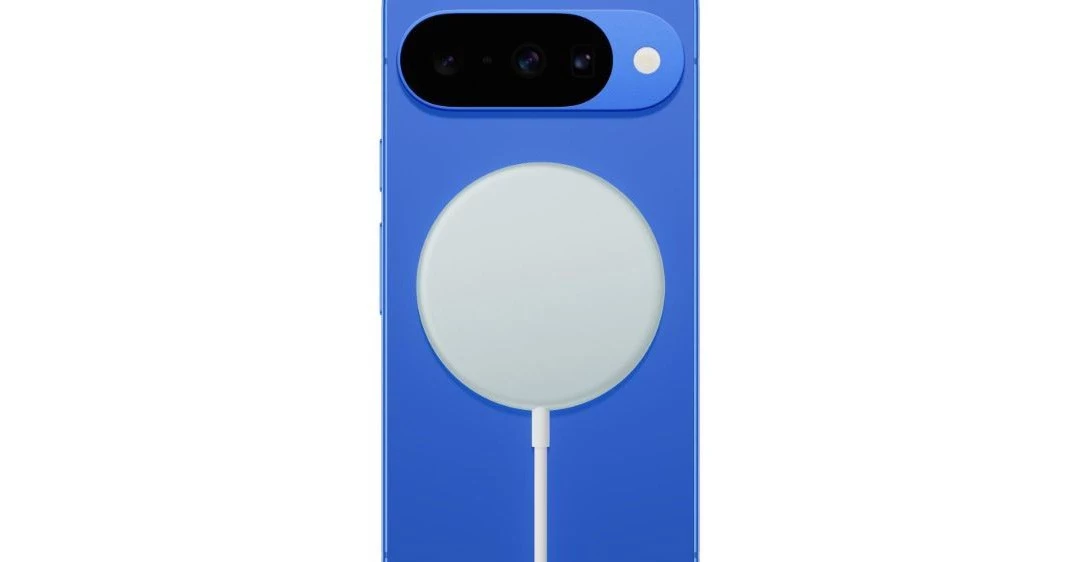

Magnetic Wireless Charging: The Pixel 10’s Quiet Revolution
In a world where the distinction between premium smartphones is measured in millimeters and microseconds, Google’s upcoming Pixel 10 quietly signals a tectonic shift. Leaked imagery reveals a magnetic ring embedded in the chassis—a subtle, almost architectural flourish that marks Google’s full embrace of the Qi2 wireless-charging standard. This is not just an incremental hardware update; it’s a declaration of intent. By integrating Qi2 at the hardware level, Google is not only matching Apple’s MagSafe, but also catalyzing a new era of cross-platform interoperability.
The Pixel 10’s slightly thicker profile, rumored to house a larger coil and more robust magnets, is a testament to the seriousness of this commitment. The charging puck—likely to be christened “PixelSnap”—will snap directly onto the device, eliminating the need for intermediary cases or adapters. This is not a half-measure; it is the blueprint for a magnetic ecosystem that promises to reshape not just how we charge, but how we interact with our devices and their accessories.
Qi2: The New Language of Device Interoperability
Qi2 is more than a spec bump. By standardizing magnet placement, coil geometry, and communication protocols, Qi2 eliminates the “dead zones” that have long plagued wireless charging. Efficiency jumps by an estimated 15%, and tighter thermal management could mean longer battery lifespans—a subtle but critical win for sustainability and user satisfaction.
This convergence is historic. Apple’s decision to contribute MagSafe intellectual property to the Wireless Power Consortium in 2023 set the stage for a rare moment of détente in the mobile world. Now, with Google’s adoption, the dream of a single magnetic charging standard spanning Android and iOS is within reach. Accessory makers, long forced to juggle incompatible SKUs and costly R&D, can now design for a universal ecosystem. The potential for innovation is immense: snap-on SSDs, biometric health sensors, in-car mounts—all leveraging a common magnetic interface.
For consumers, the implications are profound. The tyranny of proprietary accessories begins to wane. For the first time, users might buy a single high-quality charger or accessory and trust it to work seamlessly across brands and platforms.
Strategic Stakes: Ecosystem Power Plays and Supply Chain Tensions
The strategic calculus behind Google’s move is as nuanced as it is bold. Apple has wielded MagSafe as a tool of ecosystem lock-in, extending its magnetic halo to wallets, battery packs, even Vision Pro tethers. Google’s PixelSnap line could follow suit, but the open Qi2 standard invites third-party OEMs to join the party. The result? Google achieves functional parity with Apple, but without the velvet handcuffs—a subtle reinforcement of its open-platform ethos.
The accessory market, projected to reach $120 billion globally by 2028, stands to be transformed. Magnetic alignment trims development costs for multi-platform vendors like Belkin and Anker, while enabling premium-priced add-ons—think motorized stands or magnetic power banks. Google’s strategic positioning here is unmistakable: new licensing revenue streams, Play-Store-adjacent certification fees, and a seat at the table as accessory innovation accelerates.
But the supply chain story is equally compelling. The race for neodymium magnets (NdFeB) is intensifying, with Tesla, EV suppliers, and now top-tier smartphone OEMs all vying for the same rare-earth resources. This could trigger spot-price volatility and drive interest in recycled magnet flows. Meanwhile, demand for advanced thermal management materials—graphite, vapor chambers—will benefit specialized suppliers as devices push the limits of wireless power.
Regulatory Winds and the Road Ahead
Macroeconomic and regulatory forces are shaping the Qi2 landscape in real time. Inflation-conscious consumers are holding onto devices longer, making efficiency and sustainability more than just marketing buzzwords. Qi2’s improved efficiency dovetails with EU eco-design mandates and the growing momentum behind right-to-repair legislation in the U.S. Cross-platform compatibility may even shift antitrust scrutiny away from hardware lock-in, though new battles could emerge over firmware-level certification and ecosystem control.
The future is fluid. Should Samsung shift from “Qi2 Ready” to “Qi2 Native” in its next flagship cycle, magnetic charging could become table stakes by 2026. Accessory makers must rationalize their product lines now to capture early market share. Yet, the specter of fragmentation looms: proprietary high-wattage “Enhanced Qi2” forks could splinter the market, echoing the USB-C fast-charge wars of the past.
For decision-makers, the watchpoints are clear:
- Monitor Google’s accessory roadmap—will PixelSnap extend to tablets or AR glasses?
- Track rare-earth supply chains as WTO negotiations and China’s export quotas evolve.
- Prepare for software-driven modularity—Android 16’s rumored “MagDock” API could unlock new use-cases from desk-mode to vehicular HUDs.
Accessory OEMs, mobile operators, enterprise IT, and component suppliers all have actionable imperatives: accelerate Qi2 compliance, bundle magnetic accessories, lock in procurement standards, and hedge rare-earth exposure.
Google’s Pixel 10, with its Qi2 magnetic charging, is not just a product update—it is a catalyst for a new chapter in mobile hardware, accessory innovation, and supply chain dynamics. Those who read the signals now will find themselves not just keeping pace, but setting it, as the next wave of mobile-adjacent value creation unfolds.

 By
By
 By
By
 By
By

 By
By


 By
By







