
Heatwaves as a New Baseline: From “Rare” Events to Recurring System Shocks
The world’s pre-summer heatwaves are no longer behaving like outliers; they are increasingly operating like predictable stress tests for economies, infrastructure, and public health. India’s temperatures reaching 116°F—with reported fatalities—arrive alongside Europe’s most severe May heatwave on record. The U.K. nearing 95°F is especially revealing: what was once framed as a “once-in-a-century” heat event is now projected to recur roughly every three decades, compressing the time societies have to adapt.
This is not only a meteorological story but a structural one. The U.K.’s air-conditioning penetration—about 5% of households, compared with roughly 90% in the U.S.—highlights a widening adaptation gap across advanced economies that historically optimized buildings and urban design for mild summers. France and Italy’s emergency public-health measures underscore how quickly heat becomes a governance issue, forcing rapid decisions on cooling centers, work restrictions, and medical readiness.
Compounding the urgency is the expectation of a strong El Niño, which climate experts warn could rival historically devastating episodes such as 1877. For business and technology leaders, that forecast functions less as a distant climate signal and more as a near-term planning variable—one that can amplify heat extremes, disrupt supply chains, and intensify energy volatility during the most economically active months of the year.
Power Grids, Pricing, and Insurance: The Economic Mechanics of Extreme Heat
Heatwaves translate into economic risk through a few highly repeatable channels—electricity demand spikes, price volatility, and financial exposure—but the magnitude is changing as heat arrives earlier, lasts longer, and overlaps with other constraints such as aging infrastructure and the complexities of renewable integration.
Key economic implications are already coming into focus:
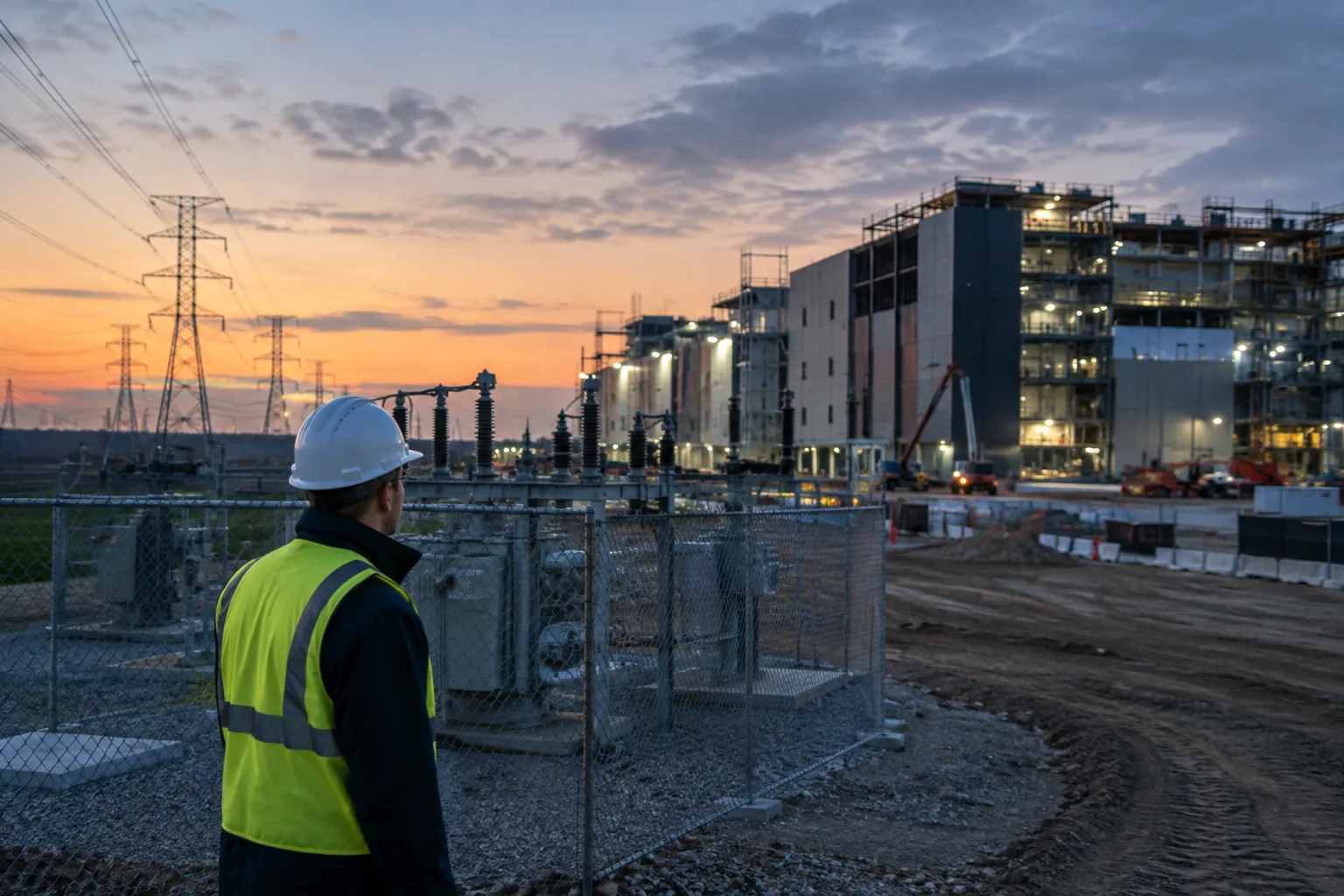
- Peak-load surges and grid stress: Cooling demand rises sharply during heat events, pushing grids toward capacity limits. Utilities must balance real-time supply while managing decentralized renewable inputs, storage constraints, and demand-response programs. The operational challenge is not theoretical: extreme heat can also reduce the efficiency of thermal power generation and stress transmission equipment, increasing the probability of localized outages.
- Wholesale electricity price volatility: Heat-driven demand spikes can lift spot prices, which then ripple through industrial cost structures. Energy-intensive sectors—aluminum, cement, chemicals, and data centers—face margin pressure, potential curtailments, and higher hedging costs. Even short-lived price spikes can cascade into broader inflation dynamics when they affect industrial inputs and logistics.
- Insurance and fiscal risk migration: As heat increases the likelihood of wildfires, infrastructure failures, and health-related liabilities, insurers are incentivized to reprice risk or retreat from high-exposure markets. When private coverage becomes scarce or expensive, risk often shifts to governments and corporate balance sheets—through disaster relief, infrastructure repair, business interruption, and workforce health costs.
For investors and boards, these dynamics are increasingly legible as climate risk with measurable cash-flow implications. Heat is becoming a driver of both operational expenditure (OPEX) and capital expenditure (CAPEX), forcing companies to decide whether to pay for resilience upfront or absorb repeated disruption later.
Cooling Tech, Smart Cities, and Data Centers: Where Innovation Meets Necessity
The heatwave cycle is accelerating a shift in cooling from a comfort feature to critical infrastructure—and that shift is opening a large, fast-moving market for technology providers. The most consequential innovations are those that reduce peak demand, improve thermal efficiency, and provide granular visibility into heat risk.
Several technology imperatives stand out:
- AI-driven HVAC and adaptive climate control: Systems that modulate cooling based on occupancy, weather forecasts, and indoor air quality are moving from premium deployments to mainstream expectations in commercial real estate, hospitals, and critical facilities. The business case strengthens when electricity prices spike and when employers face heightened duty-of-care expectations.
- IoT-enabled urban heat resilience: Networked sensors, thermal mapping, and digital twins can identify street-level “heat islands” and enable targeted interventions—automated shading, reflective surface deployment, micro-mist networks, and smarter traffic or transit scheduling to reduce exposure. For municipalities, this is not only climate adaptation; it is a data governance and procurement challenge that will reward vendors with interoperable platforms and credible privacy safeguards.
- Data center thermal strategy: Hyperscale operators are under pressure to protect uptime while controlling energy costs. Liquid cooling, improved airflow management, and waste-heat recuperation for district heating are increasingly strategic—not only for sustainability metrics, but for resilience under extreme ambient temperatures that can threaten performance and reliability.
Importantly, the cooling transition carries its own climate externalities. That is why investment in low-GWP refrigerants and next-generation approaches—such as solid-state or magnetocaloric cooling—has become both a regulatory hedge and a competitive differentiator for large-scale deployments.
Workforce, Supply Chains, and ESG Disclosure: The Board-Level Heat Agenda
Heat risk is now intersecting directly with productivity, continuity planning, and corporate reporting. Prolonged heat stress can reduce outdoor and manual labor productivity by 10–15%, with immediate consequences for construction timelines, logistics throughput, and agricultural output. For employers, the operational response is becoming clearer:
- Heat-adaptive shift scheduling and onsite cooling provisions
- Remote-work frameworks where feasible
- Wearable biometric monitoring and automated alerts to reduce health incidents
- Updated occupational heat standards embedded into workforce management systems
Supply chains face parallel exposure. Crop yields for staples such as wheat, maize, and rice are sensitive to temperature spikes, increasing the probability of agri-commodity volatility. This is likely to accelerate enterprise demand for agritech, including heat-resilient seed development and precision irrigation platforms.
At the governance level, heat is also reshaping ESG and regulatory leadership. Companies that adopt heat-risk disclosure metrics early—aligned with evolving climate-related financial disclosure expectations—may benefit from improved investor confidence, stronger credit perceptions, and reduced surprise in earnings volatility. The strategic posture is shifting from reactive crisis management to scenario planning, including multi-month heat cycles intensified by El Niño.
The defining feature of this moment is that extreme heat is no longer a seasonal inconvenience; it is a recurring operating condition. The organizations that treat heatwaves as a design constraint—across energy strategy, buildings, workforce policy, and digital infrastructure—will be better positioned to protect margins, maintain continuity, and compete in the rapidly expanding market for climate resilience.

 By
By
 By
By

 By
By
 By
By
 By
By
 By
By