

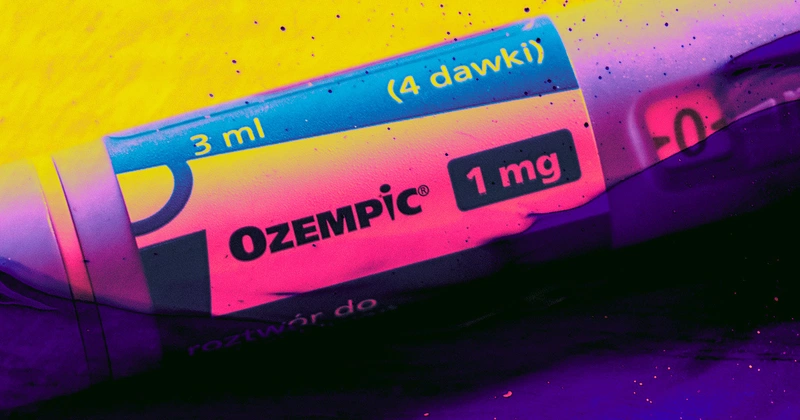

The Federal Trade Commission (FTC) is on a mission to pave the way for more affordable generic versions of the popular weight loss drug Ozempic. However, the journey towards making cheaper injectable diabetes treatments available to consumers is bound to be a lengthy and challenging one. In a bold move, the FTC issued a warning letter to various pharmaceutical companies, including Novo Nordisk, the Danish manufacturer of Ozempic, signaling its intent to challenge what it terms “junk patents” that artificially inflate medication prices.
The significance of a cheaper alternative to Ozempic cannot be overstated. This drug has proven to be not only an effective weight loss aid but also a promising treatment for slowing the progression of kidney disease. By cracking down on the improper or inaccurate listing of patents in the FDA’s Orange Book, which catalogs patents associated with brand-name drugs, the FTC is aiming to dismantle barriers that impede the entry of generic versions of drugs like Ozempic into the market.
The FTC’s scrutiny reveals a troubling trend in the pharmaceutical industry, where companies exploit loopholes by inundating the patent system with unnecessary patents. A recent investigation by the Initiative for Medicines, Access, and Knowledge found that the top-selling medications in the US carried an average of 74 patents per drug, with some drugs boasting hundreds of extraneous patents. This strategic patent overkill serves to stifle competition and inflate drug prices, burdening consumers with exorbitant costs for essential medications.
FTC Chair Lina Khan minced no words in calling out pharmaceutical companies for their anti-competitive practices. By challenging frivolous patent filings, the FTC is taking a stand against these unlawful tactics and advocating for timely access to affordable and innovative medicines for Americans. The agency’s recent crackdown is not limited to Novo Nordisk; other pharmaceutical giants like AstraZeneca, known for its diabetes drug Bydureon BCise, have also come under the FTC’s radar, along with companies producing medications for conditions such as asthma, COPD, and severe hypoglycemia.
With the clock ticking for these pharmaceutical companies to rectify their patent listings or face consequences, the ball is now in their court. They have 30 days to either revise their listings, remove them altogether, or provide sworn testimony attesting to the compliance of their patent listings with existing laws. As the FTC’s campaign gains momentum, the prospect of a more competitive pharmaceutical landscape that prioritizes affordability and access to vital medications seems within reach.

 By
By

 By
By

 By
By

 By
By
 By
By







