
The New Battleground: Apple’s CarPlay Ultra and the Rewiring of Automotive Power
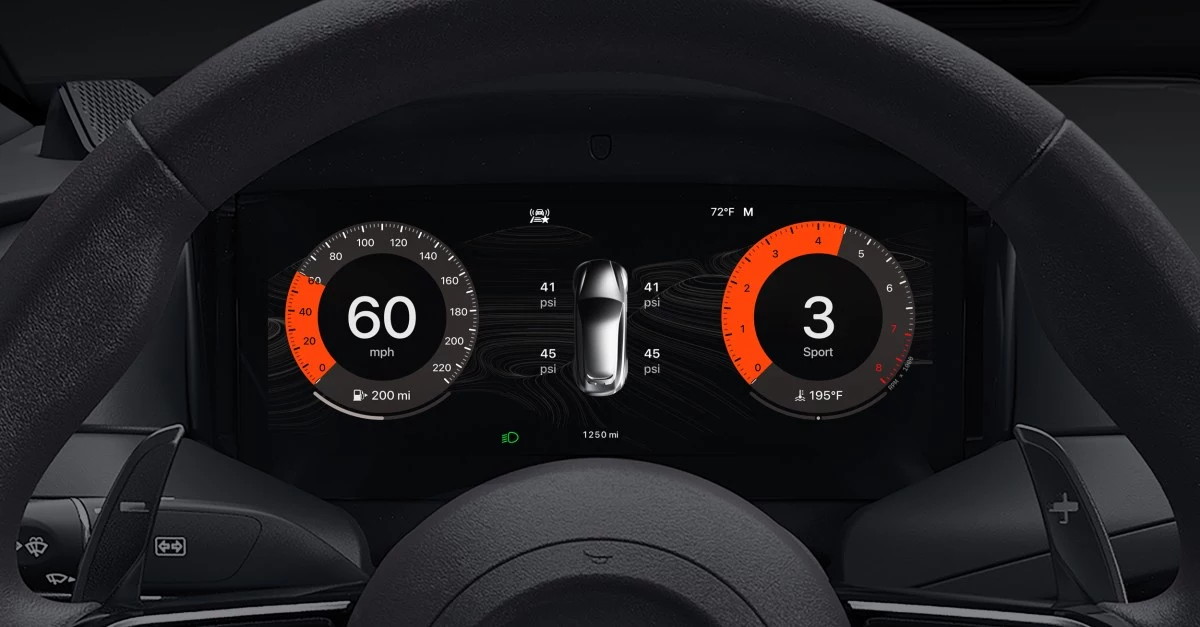
Apple’s unveiling of CarPlay Ultra marks a pivotal turn in the auto-tech saga, a moment when the boundary between dashboard convenience and vehicular sovereignty blurs into near-obsolescence. No longer content with simply mirroring a smartphone’s interface onto a car’s display, CarPlay Ultra now reaches deep into the vehicle’s nervous system—controlling climate, toggling drive modes, and even brushing up against advanced driver-assistance settings. Its debut in Aston Martin, with Porsche soon to follow, signals Apple’s intent to become not just an infotainment layer, but a quasi-operating system for the automobile itself.
Platform Power Plays: The Struggle for the Digital Dashboard
The automotive industry, long a fortress of vertical integration, now faces a crossroads. The arrival of CarPlay Ultra has catalyzed a schism among automakers:
- General Motors has drawn a hard line, excising both CarPlay and Android Auto from its new electric vehicles in favor of a proprietary infotainment stack. This is a bid to capture the full value of software-defined features and in-car commerce, even at the risk of alienating customers—surveys suggest 70% of U.S. buyers view CarPlay as indispensable.
- Ford, by contrast, is threading a more nuanced path. CEO Jim Farley’s “measured” approach keeps CarPlay and Android Auto accessible, while simultaneously investing in Ford’s own digital enhancements. This dual-track strategy positions Ford as an orchestrator, not a gatekeeper—potentially winning loyalty from drivers who crave both choice and innovation.
This divergence is not merely a matter of branding or user experience. It is a high-stakes contest over who owns the interface—and thus the data, recurring revenue, and customer relationship. As Apple’s ambitions expand, so too does its appetite for the raw sensor and behavioral data that fuel mapping, augmented reality, and the long game of autonomy. For automakers, ceding the interface today could mean forfeiting tomorrow’s profit pools in advanced driver-assistance systems (ADAS) and autonomous vehicles—a market McKinsey estimates will reach $300 billion by 2030.
Data, Regulation, and the New Rules of Engagement
The digital transformation of the automobile is not unfolding in a vacuum. Regulatory scrutiny is intensifying, with the EU’s Digital Markets Act and evolving U.S. antitrust frameworks casting a wary eye on any company—be it Apple, Google, or an automaker—that seeks to lock up the dashboard. Tying critical vehicle functions to a proprietary ecosystem risks not only customer backlash, but also legal and compliance headaches, especially as data-localization and privacy mandates proliferate across Europe and Asia.
Meanwhile, the strategic scarcity in the industry has shifted from semiconductors to software talent and AI training data. The companies that can marshal both—Apple, with its proprietary silicon and machine learning infrastructure, is a prime example—wield disproportionate leverage in partnership negotiations. The convergence of generative AI voice agents with in-car infotainment further raises the stakes: whoever owns the interface owns the AI brand that will mediate hours of driver and passenger attention each week.
Strategic Imperatives: Navigating the Next Decade of Mobility
For automakers, the path forward demands both resolve and dexterity. The most adaptive strategies will likely feature:
- A sovereign core, federated edge: Retain in-house control over safety-critical and data-rich systems, while exposing standardized APIs for consumer-facing features. This hedges against both big-tech lock-in and the costly burden of building everything from scratch.
- Granular data-sharing protocols: Negotiate now over which sensor streams and behavioral data partners can access, under what conditions, and with what latency. These agreements will shape future revenue models in autonomy and insurance.
- Customer-experience arbitration: Treat infotainment choice as a brand differentiator. Enabling seamless switching between native and third-party ecosystems can become a powerful value proposition.
- Regulatory stress-testing: Anticipate the impact of global interventions—such as mandated interface unbundling or standardized ADAS APIs—on future revenue streams, and build compliance into the product roadmap from the outset.
As the industry’s OS land-grab accelerates, the winners will be those who balance openness with control—curating ecosystems that attract developers and delight customers, while safeguarding the data and interfaces that underpin tomorrow’s mobility services. CarPlay Ultra is not just a product launch; it is a strategic feint in the contest for the car’s digital soul. The outcome will define not only the user experience of the 2020s, but the very economic architecture of autonomy, data monetization, and mobility for years to come.

 By
By
 By
By

 By
By

 By
By

 By
By