
A Cracked Windshield and the Fraying Fabric of Executive Airlift
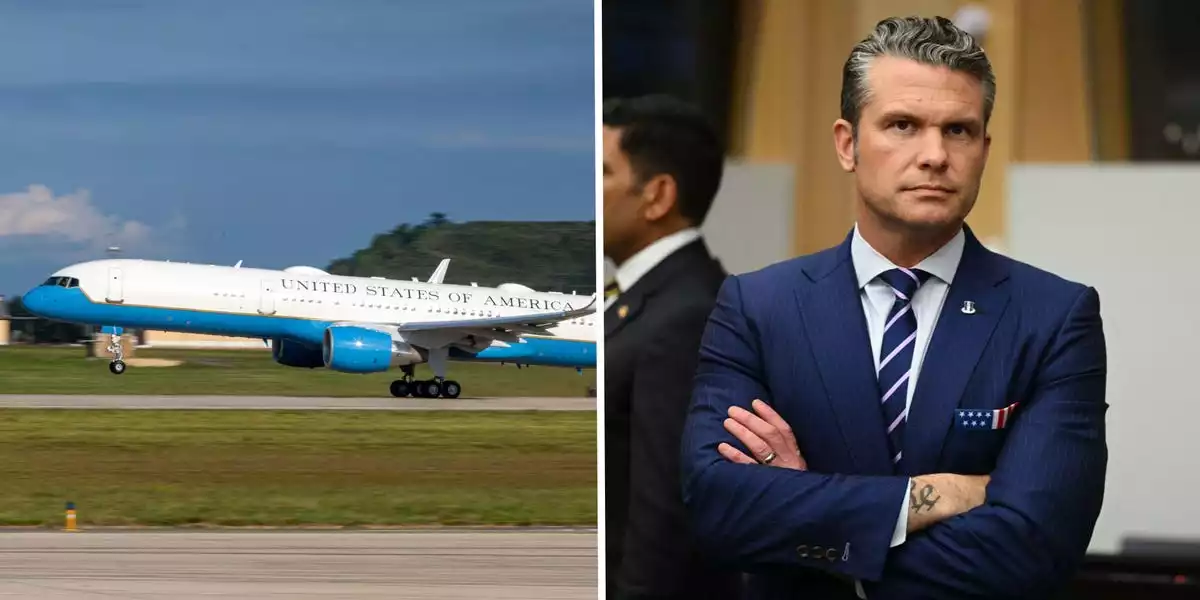
On a routine return from the NATO summit in Brussels, a Boeing C-32A—tasked with ferrying Secretary of Defense Pete Hegseth—was forced to divert to RAF Mildenhall after a cockpit windshield fractured mid-flight. While the incident was swiftly contained, the symbolism was harder to ground: this marks the third diversion involving a senior-official aircraft this year, casting a harsh spotlight on the aging executive-airlift fleet at a moment when Boeing’s replacement programs are both over-budget and behind schedule.
Far from an isolated technical hiccup, the event exposes the intricate vulnerabilities woven into the United States’ airborne command infrastructure. The C-32A, a militarized Boeing 757-200 fielded in 1998, now flies well past the FAA’s “aging aircraft” threshold. Each pressurization cycle, each hour aloft, accelerates the micro-fractures in cockpit glazing and fuselage joints—an invisible ledger of stress that grows with every mission. When a windshield cracks, it is rarely catastrophic, but the protocol is uncompromising: divert immediately, neutralizing any risk to both personnel and national security. The ripple effect is immediate and broad, as evidenced by the companion C-17 carrying support staff, which also diverted—an illustration of how a single point of failure can disrupt a tightly coordinated security bubble.
The Maintenance Debt: Technology Gaps and Supply Chain Strain
The C-32A’s predicament is not merely a matter of age; it is a symptom of deferred modernization and mounting maintenance debt. The Air Force’s Condition-Based Maintenance Plus (CBM+) program, which leverages predictive analytics and sensor data, has made impressive inroads among fighter fleets. Yet, VIP transports lag conspicuously behind. Lacking the latest sensor retrofits, these aircraft are less able to anticipate failures—such as the subtle heating anomalies that precede windshield delamination—until they become mission-terminating events.
The supply chain compounds the challenge. OEM-certified spare parts for the 757 line are dwindling, with pandemic-era consolidation and a shortage of specialized engineers stretching repair turn-around times. The cockpit windshield itself, a marvel of specialty glass, is sourced from a narrow pool of vendors. As lead times lengthen and cannibalization of parts becomes more common, the risk profile for every mission quietly escalates.
- Structural fatigue is accelerating, with each flight cycle compounding the risk of micro-fractures.
- Predictive maintenance tools remain underutilized for VIP fleets, creating blind spots in operational readiness.
- Supply chain bottlenecks now threaten the timely repair and return of critical assets.
Industrial Crossroads: Budget, Competition, and Strategic Signaling
Boeing’s programmatic overhang is impossible to ignore. The VC-25B—the next Air Force One—has already exceeded its budget by over $2 billion, siphoning engineering talent and slowing parallel efforts to recapitalize the C-32A fleet. With defense budget growth projected at a modest 1–2%, fleet-wide upgrades must now compete with nuclear modernization and space priorities, increasing the likelihood of service-life extensions over new procurement.
Meanwhile, the competitive landscape is shifting. Airbus’ A321LR military transport variant, already in conversations with several NATO governments, looms as a credible alternative should congressional patience with Boeing wane. For U.S. allies, each diversion is more than a logistical hiccup; it is a metaphor for potential overstretch, fueling European debates about “strategic autonomy” and the reliability of American logistics.
- Budgetary triage is forcing hard choices between incremental upgrades and clean-sheet replacements.
- International competition is intensifying, with Airbus positioning itself as a viable alternative.
- Strategic optics matter: every unscheduled landing reverberates through allied capitals and adversarial intelligence assessments alike.
Charting a Resilient Path: Recommendations for the Next Era
The cracked windshield is not just an anecdote—it is an early-warning signal. To restore confidence and operational continuity, decision-makers must translate weak signals into decisive action:
- Accelerate digital twin adoption: Pairing advanced structural health sensors with cloud-based digital twins could sharply reduce unscheduled maintenance days, with a payback period of less than three years.
- Pursue modular upgrades: Incremental retrofits—such as advanced composites for windshields and next-gen avionics—can extend service life while bridging the gap to future platforms.
- Innovate procurement models: Public-private “availability contracting,” paying OEMs by mission-capable hours rather than hardware units, aligns incentives for reliability and uptime.
- Strengthen workforce resilience: Investing in STEM apprenticeships and security-cleared training pipelines is now a strategic necessity, not merely an HR concern.
- Diversify the vendor base: Pre-qualifying non-U.S. suppliers for critical components like cockpit glazing mitigates single-point-of-failure risk and enhances bargaining leverage.
The intersection of aging assets, supply-chain fragility, and reputational risk now defines the executive airlift challenge. Organizations that harness predictive maintenance, innovative contracting, and diversified sourcing will be best positioned to safeguard both operational readiness and strategic credibility—at a time when every unscheduled landing is amplified across the global stage.

 By
By
 By
By

 By
By
 By
By


 By
By