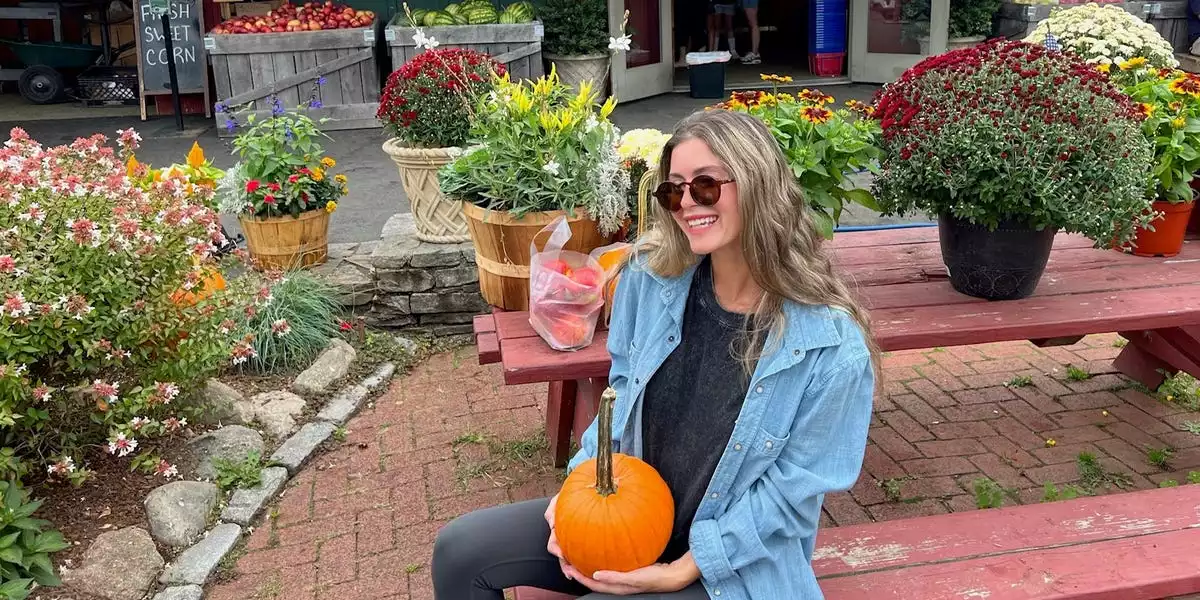

Easton’s Experiential Alchemy: Where Agritourism Meets the Digital Age
In the rolling, maple-dappled hills of Easton, Connecticut, the ordinary becomes quietly extraordinary. Here, a constellation of small farms and independent retailers has transformed a sleepy New England town into a living tableau of nostalgia—one that is as Instagrammable as it is authentic. The town’s emergence as a micro-destination for experiential, agriculture-anchored tourism is no accident of geography or season. Rather, it is the product of a subtle but powerful fusion: the timeless allure of rural life, recalibrated for a generation fluent in both tactile experience and digital discovery.
The New Consumer Pilgrimage: Last-Mile Leisure and the Experience Economy
The post-pandemic traveler is no longer satisfied with passive sightseeing. Instead, today’s visitors crave immersion—apple-picking that stains the fingers, goat walks that delight the senses, and pumpkin-spice lattes that taste of place rather than brand. Easton’s proximity to Manhattan—just under 90 minutes by car—has positioned it at the vanguard of the “last-mile leisure” movement, where urbanites seek restorative escapes that don’t require a passport or a TSA line.
This migration is not merely about convenience. It is about a longing for authenticity in an age of algorithmic sameness. Easton’s landscape, with its preserved fields and storybook storefronts, evokes a cinematic nostalgia that is both product and marketing tool. The town’s narrative is carefully cultivated: a place where the past feels present, and the present feels meaningful. This emotional resonance translates into longer visits, higher spending, and a social media halo that amplifies Easton’s appeal far beyond its borders.
Digital Trust and the Art of Modern Rural Commerce
Beneath the surface of cider doughnuts and hayrides lies a quietly sophisticated operational model. Farms like Shaggy Coos have revived the honor-system farmstand, but with a 21st-century twist: ubiquitous mobile payments and QR-based point-of-sale systems. The trust that once depended on neighborly goodwill is now underwritten by the transparency of Venmo receipts and the accountability of social media. In this way, technology does not supplant tradition—it fortifies it.
The digital layer extends further. Instagrammable moments—baby goats in sweaters, golden-hour cornfields—are not mere frivolities. They compress the entire commerce funnel into a single swipe: discovery, intent, and purchase become indistinguishable. Small businesses, once data-poor, now collect first-party information through event RSVPs and reservation apps, laying the groundwork for higher-margin direct-to-consumer offerings. Seasonal CSA subscriptions and curated “autumn in a box” deliveries transform episodic visits into recurring revenue streams, anchoring the local economy against the volatility of commodity markets.
Strategic Leverage: Real Estate, ESG, and the Future of Rural Value
Easton’s transformation is not lost on investors and policymakers. Agritourism yields three to five times more revenue per acre than traditional crops, offering farms a hedge against the caprices of wholesale pricing. The town’s blend of rural charm and metropolitan proximity is attracting a new wave of hybrid workers—those who seek the “lifestyle arbitrage” of suburban connectivity paired with bucolic tranquility. As remote work becomes a fixture rather than a fad, property values in “Goldilocks” towns like Easton are poised for a quiet surge.
Environmental, social, and governance (ESG) imperatives further enhance Easton’s value proposition. The short supply chains and carbon-light leisure activities embedded in the town’s agritourism model resonate with both consumers and investors. Scope 3 emission reductions are not just an accounting line—they are a core part of the visitor experience. Community events, from poetry nights to farm concerts, serve as magnets for creative-class talent, enriching the town’s social and economic fabric.
Forward-looking leaders are already eyeing the next phase: fiber and 5G upgrades to support real-time booking and remote work, tax incentives for sustainable infrastructure, and partnerships with regional grocers to scale local brands. The emergence of digital twins—virtual walkthroughs of maple groves and goat pastures—hints at a future where Easton’s brand extends globally, unconstrained by geography or season.
Easton’s autumnal charm is more than a seasonal flourish; it is a living case study in rural reinvention. By weaving together experiential commerce, digital amplification, and strategic proximity, the town offers a replicable blueprint for communities seeking durable growth at the intersection of agriculture, technology, and lifestyle. For those willing to look beyond the pumpkins, Easton signals not just a fleeting trend, but a durable horizon of opportunity.

 By
By
 By
By

 By
By
 By
By

 By
By
 By
By