

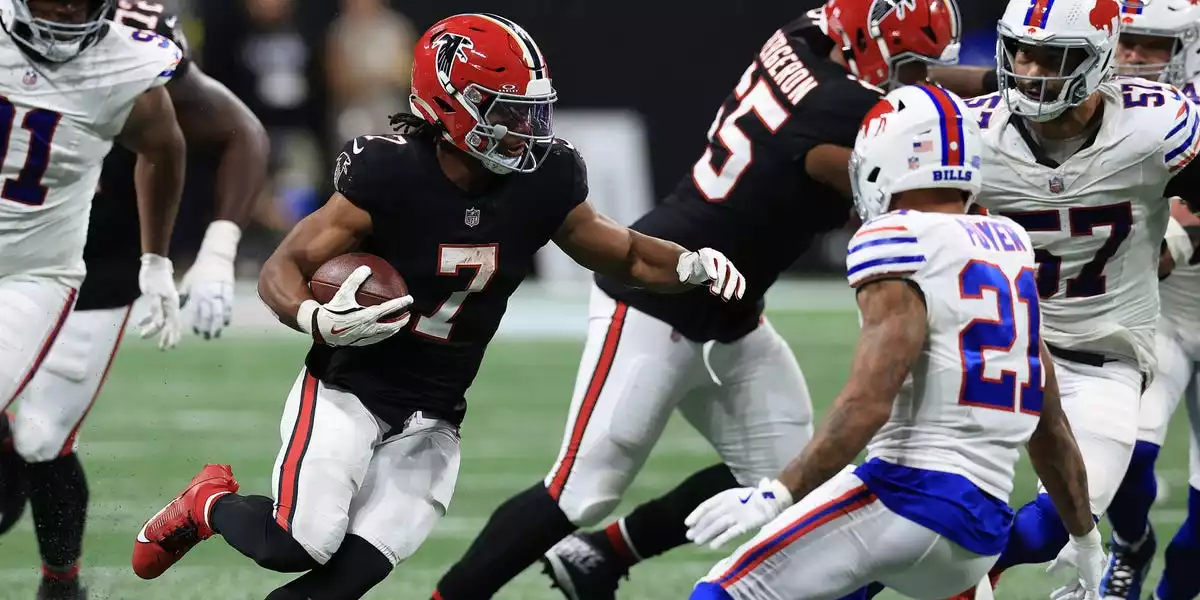

ESPN’s Streaming Gambit: Redefining the Sports Media Playbook
The tectonic plates of American sports media are shifting. ESPN’s audacious leap into a stand-alone streaming tier—its first meaningful venture beyond the familiar embrace of the pay-TV bundle—has already summoned 2.1 million U.S. subscribers in a matter of months. Of these, a striking 1.2 million are paying the premium $30-per-month rate, a figure that not only surpasses internal and Wall Street projections but also signals a profound recalibration of how live sports are valued and consumed. The early returns are promising, yet the true test lies ahead: can ESPN sustain this momentum when the football season’s adrenaline subsides, or will the gravitational pull of churn erode its hard-won gains?
The Economics of Exclusivity: Pricing Power and the Churn Dilemma
ESPN’s foray into direct-to-consumer (DTC) streaming is a study in contrasts—remarkable pricing power, but with a razor’s edge of risk. The $30 average revenue per user (ARPU) is a bold experiment, probing the upper limits of what fervent sports fans will pay for unbundled access. Early subscriber penetration—about 4% of ESPN’s legacy 50 million pay-TV households—suggests that these are largely incremental viewers, not merely cord-cutters migrating from cable. This is a crucial distinction: ESPN is expanding the pie, not just slicing it differently.
Yet, the specter of churn looms large. Sports streaming is inherently seasonal, with football serving as the engine of acquisition and retention. Historical analogues, such as YouTube TV and NFL Sunday Ticket, have seen post-football attrition rates as high as 30-40%. ESPN’s optional $40 bundle, which includes NFL+, Disney+, and Hulu, is a strategic hedge—an attempt to weave a stickier web across Disney’s portfolio and cushion the inevitable ebb and flow of subscriber interest.
The economics are tantalizing: at $30 ARPU and an estimated 65% gross margin, each new subscriber yields roughly $23 in monthly contribution profit—more than double the sub-$10 per-user affiliate fee ESPN typically garners from cable partners. But scale remains the perennial challenge; the cable bundle still delivers ten times the paid homes. Disney must weigh the allure of higher margins against the slower march to mass adoption.
Technology, Experience, and the New Sports Fan
The streaming revolution is not merely a question of distribution, but of experience. Today’s sports fan—especially the elusive 18-34 demographic—demands more than just a live feed. They expect contextual overlays, real-time betting odds, and the ability to co-view with friends across platforms. ESPN’s recent acquisition of streaming-analytics firm Fable Labs hints at ambitions to infuse its platform with real-time interactivity, a move designed to deepen engagement and reduce churn.
Latency is another battleground. For football fans, especially those dabbling in sports betting or second-screen social engagement, even a few seconds’ delay can be intolerable. ESPN’s content delivery network must consistently deliver sub-five-second glass-to-glass times to remain competitive with near-instantaneous broadcast signals. Partnerships with edge compute providers—think Akamai or AWS Wavelength—will be essential to this mission.
The frictionless nature of cloud-native billing stacks introduces both opportunity and peril. Cancellation is now a two-click affair, a far cry from the inertia of cable contracts. To mitigate this, ESPN must deploy sophisticated, machine-learning-driven retention tactics: personalized notifications, dynamically tiered offers, and perhaps even micro-transactions for single-game access.
Industry Convergence and the Future of Sports Rights
ESPN’s gambit unfolds against a backdrop of accelerating industry convergence and intensifying competition. The bifurcation is stark: while CNN and Fox pursue low-ARPU, high-volume models for news and general entertainment, premium sports is testing the boundaries of high-ARPU, niche engagement. Tech giants—Amazon, Apple, Google—are treating sports as customer-acquisition loss leaders, distorting the economics of rights auctions and forcing traditional media incumbents to defend their turf without the same balance sheet firepower.
Meanwhile, the collapse of regional sports networks (RSNs) is nudging leagues toward direct streaming partnerships, raising the specter of national network disintermediation. The next six months will be pivotal: if ESPN can retain more than 70% of its football-era subscribers into the spring, it will validate the premium pricing thesis and embolden further vertical integration—perhaps even the emergence of a sports-only super-app, bundling fantasy, betting, ticketing, and commerce.
For decision-makers, the stakes are clear. Retention metrics through March Madness will set the tone for future rights negotiations and DTC pivots. The $30 ARPU, if sustained, establishes a new benchmark for what consumers are willing to pay for tier-one sports—a data point that will reverberate through every media rights conversation to come. As the bundle unravels and paywalls rise, regulatory scrutiny is inevitable, with antitrust and public-interest questions waiting in the wings.
ESPN’s early surge is a clarion call: the appetite for premium live sports outside the cable bundle is real, but its sustainability will hinge on innovation, retention, and a deft hand in the high-stakes game of sports rights management. The outcome will reverberate far beyond Bristol, shaping the future of the sports media ecosystem for years to come.

 By
By

 By
By

 By
By


 By
By







