

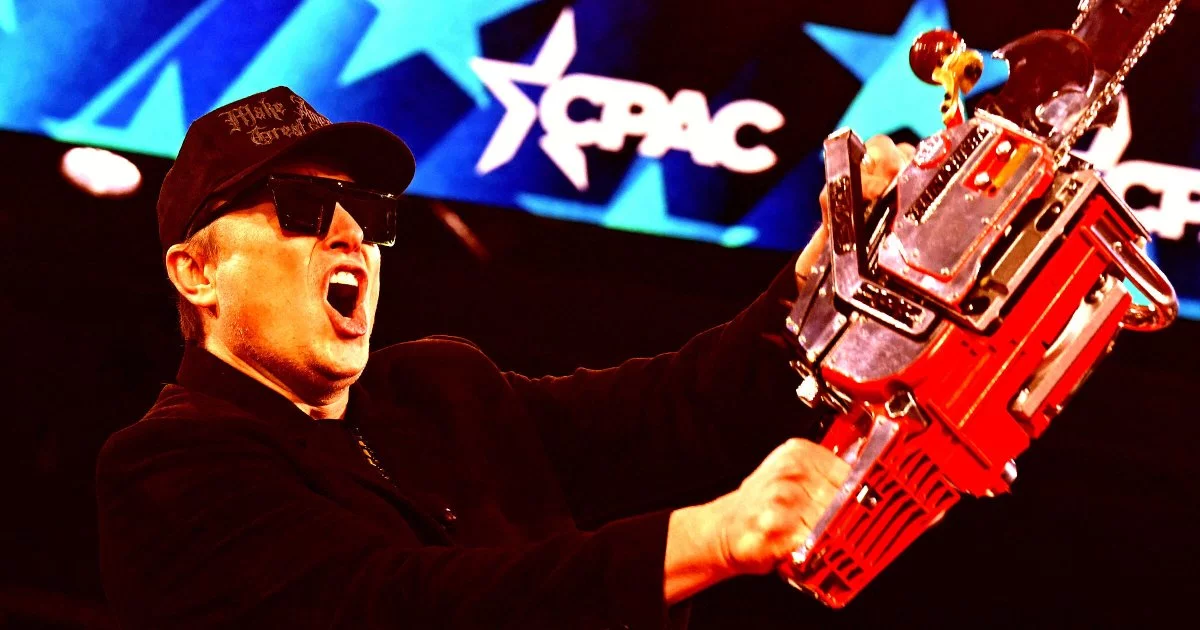

A measurable shift in Elon Musk’s X discourse—and why it’s landing on corporate balance sheets
A Washington Post investigation points to a notable change in Elon Musk’s public communications: over the past seven months, more than 6% of his posts on X have focused on race, nearly triple the rate of the prior two years. The content cited—references to “white replacement,” assertions about South African legislation, and other racially charged commentary—has intensified scrutiny not only of Musk personally, but of the companies most closely identified with him: Tesla, SpaceX, and xAI.
For markets, this is not merely a culture-war subplot. It is a case study in how a founder’s high-velocity, high-reach communications can become a material reputational variable—one that touches consumer sentiment, recruiting pipelines, partnership decisions, and the risk models used by institutional capital. Musk’s brand has long functioned as an accelerant for attention and ambition; the current question is whether it is also becoming a drag on stakeholder alignment.
Key dynamic: the tighter the coupling between founder persona and corporate identity, the more directly personal rhetoric can translate into enterprise risk—even when operations, products, and engineering roadmaps remain unchanged.
Innovation leadership under reputational load: distraction, decision latency, and talent gravity
Musk-led firms are built around mission narratives that historically attracted employees, investors, and customers who wanted to “buy into the future”—sustainable transport at Tesla, a multiplanetary vision at SpaceX, and frontier AI development at xAI. When public attention shifts from mission outcomes to polarizing commentary, the risk is not simply “bad press.” It can create organizational friction that slows execution.
Several innovation-facing pressures emerge:
- Leadership bandwidth and strategic focus
Tesla’s long-horizon priorities—advanced battery chemistry, manufacturing scale, autonomy—require disciplined coordination across engineering, supply chain, and regulatory strategy. SpaceX’s Starship cadence and reusability roadmap demand similar focus. Persistent controversy can impose a tax in the form of crisis response, stakeholder management, and internal communications—time and attention that do not ship products or launch payloads.
- Decision-making under heightened sensitivity
When reputational risk rises, organizations often introduce additional review layers: communications approvals, partnership vetting, and HR escalation pathways. These controls can be rational, but they can also produce decision latency, especially in fast-moving technology programs.
- Talent attraction and retention in a competitive labor market
The technology sector’s competition for elite engineers, AI researchers, and manufacturing leaders increasingly intersects with expectations around workplace culture and inclusion. Public association with extremist-adjacent rhetoric can narrow the candidate funnel—particularly among diverse demographics and globally mobile talent. Rivals such as Rivian, Lucid, and Blue Origin may not need to out-innovate in every domain to benefit; they may simply need to offer a lower-drama platform for ambitious careers.
- AI credibility and safety signaling
The mention of xAI’s chatbot producing extremist content adds a second-order concern: not just what the founder says, but what the company’s AI systems may amplify. In an era when AI governance, model behavior, and safety claims are under intense scrutiny, any perceived tolerance for extremist outputs can undermine trust with enterprise buyers, regulators, and research partners.
Brand equity meets ESG reality: consumer behavior, investor posture, and capital access
The commercial implications are increasingly visible. Reports of Tesla owners using anti-Elon stickers may appear anecdotal, but they signal something more important: brand fragmentation. Tesla’s early advantage was partly cultural—an aspirational, broadly appealing identity tied to climate-forward innovation. If the brand becomes more partisan or polarizing, it risks losing the “default premium” that comes from wide social acceptability.
From a business and finance perspective, the pressure points include:
- Consumer sentiment and pricing power
In premium categories, social narratives can influence willingness to pay. If controversy compresses demand at the margin, it can show up as:
– softer new-vehicle uptake in certain demographics or geographies
– higher incentives needed to move inventory
– weaker resale values, which can feed back into purchase decisions
- Commercial and government procurement sensitivity
SpaceX operates in a domain where performance is paramount, but procurement ecosystems—especially among large corporates and public agencies—are increasingly attentive to reputational exposure. Even when a supplier is technically superior, buyers may weigh whether association creates internal or external backlash.
- Investor behavior and volatility
High-profile divestments and public distancing by long-time supporters matter less for their direct capital impact than for the signal they send. They can encourage institutional investors to revisit risk assumptions, potentially increasing volatility in Tesla’s stock and raising questions about governance oversight.
- Cost of capital and covenant friction
Financial institutions balancing returns with reputational risk may respond through:
– higher borrowing spreads
– tighter covenants
– increased disclosure expectations
– more aggressive scenario analysis around brand-driven revenue risk
This intersects with a broader macro trend: ESG and social-risk filters are no longer niche. Regulatory frameworks such as the EU’s Corporate Sustainability Reporting Directive, along with evolving disclosure norms and beneficiary pressure on pension and sovereign wealth funds, mean that social controversy can migrate from “PR issue” to “portfolio constraint.”
The strategic fork: mission-centric execution or founder-persona overhang
The strategic challenge for Musk’s companies is not to litigate politics; it is to manage the business consequences of a founder whose communications can dominate the narrative environment. Markets tend to reward clarity: either the enterprise is anchored in mission delivery, or it becomes a proxy battlefield for cultural identity.
Several forward-looking implications stand out:
- Governance and message boundary-setting
Boards and executive teams may face pressure to create clearer separation between corporate communications and Musk’s personal ideology—through policy, process, or more assertive governance norms.
- Partnership calculus and alliance reshaping
Suppliers, co-development partners, and enterprise customers may quietly re-score association risk. Where sensitivity is high, rivals may gain openings simply by offering steadier reputational terrain.
- Re-centering attention through demonstrable breakthroughs
Ultimately, the most durable way to restore brand gravity is performance: battery cost reductions, credible autonomy milestones, and sustained Starship progress. Breakthroughs can redirect the public conversation—but only if stakeholders believe the mission, not the controversy, is the organizing principle.
What makes this moment commercially significant is its measurability: the shift in discourse frequency, the visible consumer reactions, the investor signaling, and the AI safety optics. For companies built on the promise of the future, the immediate strategic task is ensuring that the future—engineering, execution, and trust—remains louder than the feed.

 By
By
 By
By

 By
By
 By
By


 By
By







