

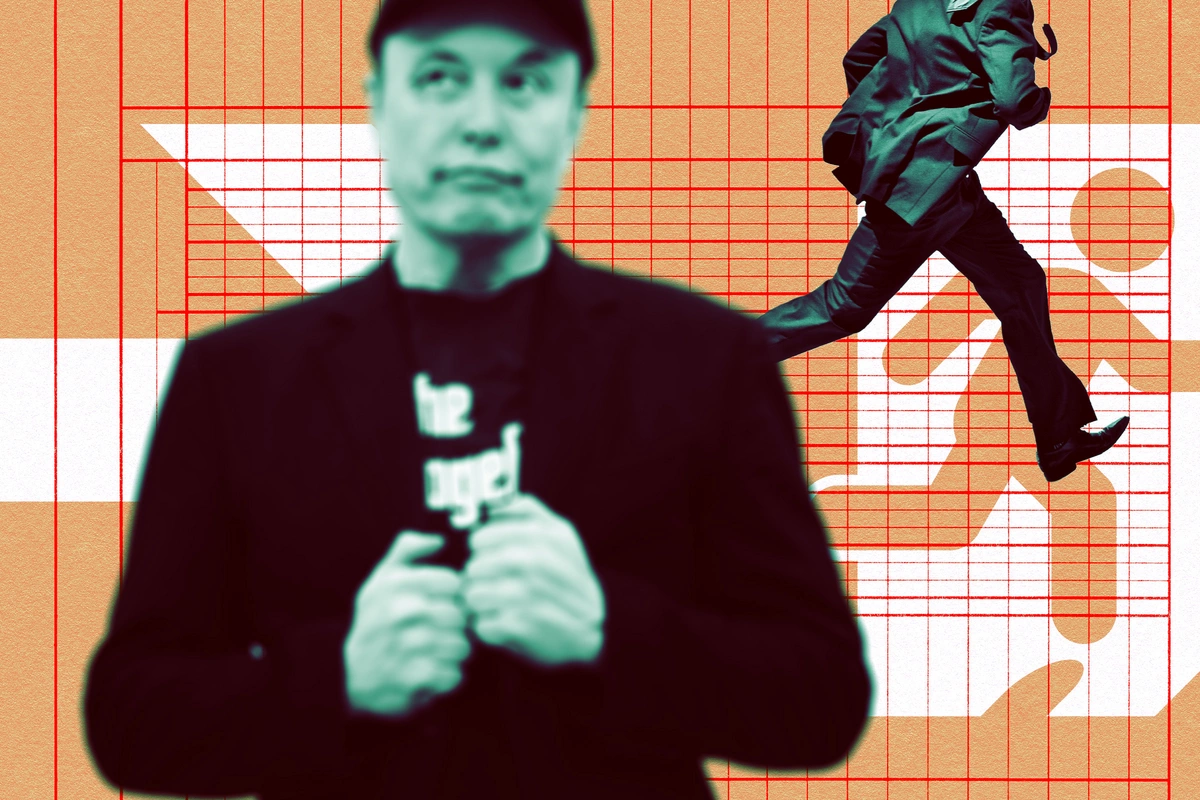

The Exodus at Musk’s Empires: Cracks in the Foundation of Electric Dreams and Algorithmic Ambition
A tectonic shift is underway within the walls of Elon Musk’s most ambitious ventures. Tesla and xAI—long celebrated as crucibles of innovation—are now facing a wave of senior departures that reads less like routine turnover and more like a referendum on the sustainability of their leadership and culture. As the global races for artificial intelligence and electric vehicles accelerate, the ability to attract and retain top-tier talent has become the new strategic high ground. The recent exodus is not merely a human resources challenge but a signal flare, illuminating deeper vulnerabilities at the intersection of governance, brand, and market positioning.
Talent on the Move: The New Battleground for AI and EV Supremacy
The migration of high-value engineers, AI scientists, and product visionaries from Musk’s companies is more than a footnote in the annals of Silicon Valley. It is a symptom of a broader malaise: a perception that strategic focus is drifting, oscillating between core electric vehicle initiatives and speculative, sometimes quixotic, ventures—robotaxis one day, social-media-driven AI chatbots the next.
- OpenAI, Nvidia, and next-gen EV startups are capitalizing on this moment, offering not just lucrative equity but also the promise of cultural stability. By absorbing ex-Tesla and xAI talent, these rivals are compressing their own R&D cycles while exacerbating the skill gap within Musk’s organizations.
- The recent lawsuit over “employee poaching” is emblematic of the scarcity of elite AI practitioners. While legal maneuvers may slow defections, they risk projecting an image of strategic vulnerability—anathema in an industry where perception often begets reality.
The war for talent is now as consequential as the war for market share. Each departure is a double blow: it drains institutional knowledge and simultaneously fortifies the competition.
Leadership at a Crossroads: Governance, Focus, and the Perils of Personality
The gravitational pull of Musk’s personality—once a catalyst for rapid innovation—now appears to be a double-edged sword. Concentrated decision-making power, while enabling bold bets, has introduced a single-point-of-failure risk that recalls the late-stage turbulence of other founder-led tech giants. Rapid, sometimes whimsical, shifts in priorities—such as redeploying Autopilot engineers to work on social-media AI—have eroded execution discipline and fostered what governance experts term “strategy drift.”
- Institutional investors and proxy advisors are sharpening their focus on these vulnerabilities. The specter of “key-person dependence” is no longer an abstract risk; it is being flagged in ESG assessments and may soon echo in boardroom reforms.
- The prospect of bifurcating the CEO and Chair roles, or installing a Chief People & Culture Officer with real authority, is gaining currency as a corrective measure—one that could restore both internal morale and external confidence.
Organizational resilience, once taken for granted, is now an open question. The companies’ ability to weather leadership turbulence will define their capacity to deliver on long-cycle innovations, from full self-driving to humanoid robotics.
Brand Fragility and Market Headwinds: When Persona Overshadows Product
Tesla’s brand, once synonymous with eco-conscious aspiration, is encountering new headwinds. Musk’s increasingly polarizing public persona has begun to alienate segments of the traditional customer base, as reflected in declining Net Promoter Scores and early signs of customer churn toward rivals like Hyundai-Kia and Ford.
- Brand sentiment analytics reveal that switching costs are falling as non-Tesla EV infrastructure matures, making customer loyalty more fragile than ever.
- For xAI, the stakes are even higher. Reputational missteps—such as offensive chatbot outputs—are not just PR headaches; they are compliance flashpoints as global regulators tighten the screws on AI accountability.
The imperative is clear: decouple product messaging from founder identity, deploy decentralized spokespeople, and build a brand firewall robust enough to withstand the volatility of the social-media age.
The Road Ahead: Strategic Pivots and Existential Choices
The implications of this talent flight ripple far beyond HR spreadsheets. Elevated turnover is already being priced into Tesla’s financial models, with analysts applying higher R&D delivery discounts and credit agencies eyeing potential outlook downgrades. Lawsuits and severance costs are tangible, but the greater risk lies in delayed go-to-market timelines for margin-critical platforms like full self-driving and robotaxis.
- Continuity risk grows as institutional knowledge walks out the door, fragmenting technical roadmaps and sowing the seeds of future integration headaches.
- The “full autonomy or bust” pivot magnifies the danger: without stable, multidisciplinary teams, regulatory windows may close before product milestones are met, ceding first-mover advantage to more disciplined competitors.
For decision-makers, the path forward demands more than incremental tweaks. Embedding talent retention as a core KPI, instituting distributed governance, and building real-time attrition intelligence are now strategic imperatives. The companies’ next moves—whether governance reform, cultural recalibration, or targeted M&A—will determine whether they remain shapers of the future or cautionary tales of ambition outpacing organizational reality.
The stakes could not be higher. In the crucible of today’s AI and EV arms races, the cost of catching up is measured not just in dollars, but in lost time, lost trust, and lost opportunity.

 By
By
 By
By
 By
By
 By
By
 By
By


 By
By







