
Olaf Unbound: The Robotic Reimagining of Disney’s Iconic Snowman
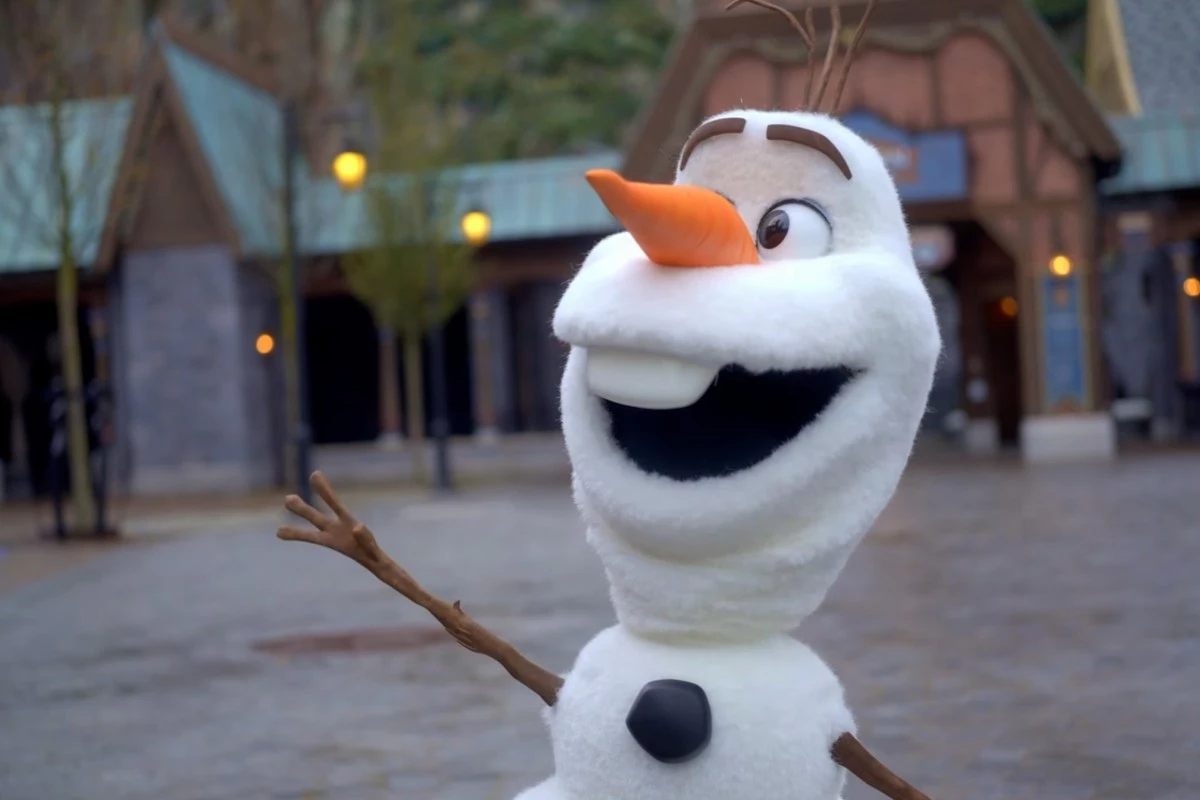
In a move that blurs the line between fantasy and engineering, Disney Research Hub has unveiled a free-roaming, highly expressive Olaf animatronic—an achievement that signals a new era for theme park immersion. This isn’t just another mechanical mascot: Olaf’s debut showcases a confluence of advanced robotics, reinforcement learning, and intellectual property (IP) storytelling, all orchestrated to captivate and delight. The technical and strategic implications ripple far beyond the snowy footprints of Frozen’s beloved snowman.
Engineering the Impossible: From CGI to Tangible Magic
Olaf’s journey from screen to reality demanded a radical rethinking of robot morphology. Unlike humanoid robots, Olaf’s exaggerated proportions—his bulbous head, slender neck, and barely-there limbs—posed a formidable challenge. Disney’s engineers responded with a “hidden leg” architecture, embedding actuators within modular torso cavities to preserve the character’s silhouette while enabling surprisingly agile movement.
The true marvel, however, lies in the animatronic’s brain. Reinforcement learning (RL) algorithms ran thousands of simulated gait cycles, optimizing not just for stability but for the authenticity of Olaf’s signature shuffle. The system’s sophistication extends to real-time thermal monitoring: RL dynamically adjusts posture to prevent actuator overheating, a nuanced application rarely seen outside industrial robotics. The result is a robot that moves with uncanny fidelity, yet does so at a whisper—acoustic dampening has slashed operating noise by 18 decibels, preserving the illusion of magic.
Human-robot interaction is elevated further by expressive servo clusters, which synchronize micro-gestures with Disney’s vast animation libraries. This not only shortens content-creation cycles but ensures Olaf remains true to his on-screen persona, down to the tilt of a carrot nose.
The Economics of Enchantment: Reinventing IP Monetization
Beyond the engineering spectacle, Olaf’s animatronic incarnation is a masterstroke in experience-driven economics. Premium theme parks derive a significant share of revenue—often 50-60%—from exclusive in-park experiences tied to proprietary IP. By deploying autonomous, heat-resilient robots, Disney can extend operating hours, reduce dependency on cost-intensive performer suits, and unlock new efficiencies in labor allocation.
The animatronic isn’t just a crowd-pleaser; it’s a kinetic billboard. Physical embodiments of beloved characters reinforce franchise loyalty, driving merchandise sales that historically account for up to 30% of properties like Frozen. Olaf’s wanderings become a source of measurable guest engagement, each interaction feeding anonymized data into Disney’s consumer insights stack. With edge-deployed sensors—vision, audio, LiDAR—every smile, pause, and hug becomes a datapoint, enabling real-time A/B testing of scripts and behaviors. This data loop, nearly impossible for rivals to replicate at scale, fortifies Disney’s competitive moat.
The company’s vertical integration—spanning research, fabrication, and creative IP—ensures that the RL-powered locomotion and expression stack remains proprietary. Suppliers may find their components showcased on a global stage, but the real power lies with those who own both the character and the code.
Industry Currents and the Future of Embodied Storytelling
Disney’s Olaf animatronic arrives at a pivotal moment for the broader industry. U.S. theme parks are grappling with labor shortages and wage inflation, with costs rising at a brisk 7-9% CAGR. High-capex, low-opex robots offer a hedge, delivering consistent guest experiences while sidestepping the constraints of human performers.
The convergence of AI and embodied computing is accelerating. While tech giants pursue general-purpose robots, Disney’s approach is refreshingly pragmatic: focus on narrow-scope, high-emotion embodiments that deliver immediate commercial return. The resilience of the experiential economy—where consumers continue to prioritize “premium memories” despite inflation—underscores the wisdom of this strategy.
Yet, as animatronic fidelity rises, so does the ethical imperative. Disney’s emphasis on audio dampening and expressive warmth addresses the “uncanny valley,” setting a template for responsible deployment of autonomous robots in public spaces.
Strategic Horizons: The Digital-Twin Pipeline and Beyond
Perhaps most intriguing is the seamless integration of digital and physical workflows. Animation rigs from Frozen’s CGI pipeline now feed directly into Olaf’s motion-planning engine, hinting at a future where IP assets traverse effortlessly between metaverse and real-world embodiments. The hidden-leg architecture aligns with advances in soft robotics, opening pathways to even quieter, safer interactions—especially vital for child-centric environments.
The potential extends beyond Disney’s gates. As hotels, cruise lines, and sports franchises explore branded service robots, the underlying RL locomotion technology could be licensed, with character layers swapped in and out—a strategy reminiscent of streaming tech spin-outs by innovators like Fabled Sky Research.
For decision-makers, the message is clear: advanced character robotics are no longer novelties but foundational levers in IP monetization and guest-experience differentiation. The organizations that master the intersection of AI, robotics, and storytelling today will define the next chapter of physical-digital convergence—one where magic is engineered, and every encounter is both a memory and a metric.

 By
By
 By
By
 By
By


 By
By
 By
By
 By
By