

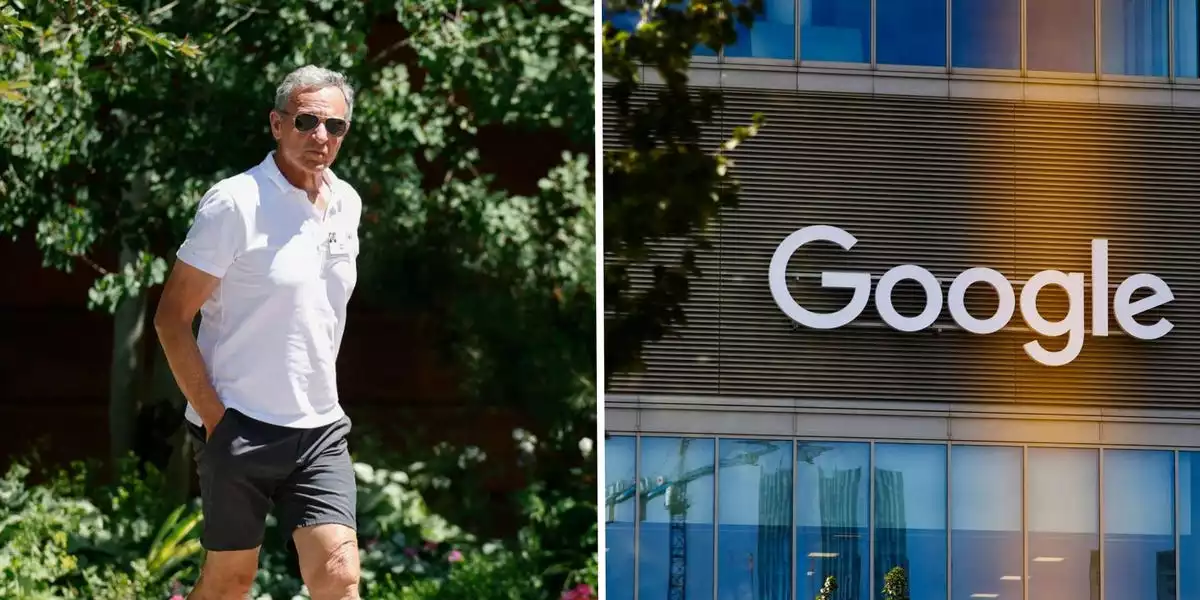

A Carriage Standoff That Signals the Future of Media Economics
The ongoing carriage blackout between The Walt Disney Company and YouTube TV is not merely a contractual impasse—it is a crucible for the evolving economics of the entertainment industry. As Disney foregoes an estimated $30 million in weekly affiliate fees and Alphabet’s YouTube TV faces the specter of subscriber churn, the dispute has become a microcosm of the tectonic shifts roiling the transition from legacy pay-TV to streaming. The outcome will reverberate far beyond the negotiating table, illuminating the new rules of engagement for content owners, distributors, and investors alike.
The Anatomy of a High-Stakes Dispute
At its core, this standoff is a battle over value capture in a world where the old playbook no longer applies. Disney, whose blackout with YouTube TV is now the longest in its history, appears willing to endure significant short-term cash burn to defend the average revenue per user (ARPU) metrics that underpin its long-term market valuation. With internal estimates placing YouTube TV’s subscriber base north of 6.5 million, the platform ranks as one of Disney’s top three U.S. affiliate revenue streams—behind only Comcast and Charter. The loss of this revenue, if prolonged, could compress Disney’s fiscal 2024 operating cash flow by approximately 3%, a not-insignificant figure in an era of rising capital costs.
For Alphabet, the calculus is equally fraught. The economics of “skinny bundles”—streamlined channel packages designed to lure cord-cutters—are already precarious, with content costs reportedly exceeding 75% of ARPU. Any incremental fee demanded by Disney threatens to erode Google’s gross margin unless passed through to consumers, a risky proposition given the price sensitivity already tested by rival services like Hulu + Live TV and Fubo. The standoff thus becomes a test of pricing power in a market where the remaining pay-TV subscribers are disproportionately loyal sports fans with limited alternatives.
Sports Rights, Data, and the New Gatekeepers
Beneath the surface, the blackout exposes the unsustainable inflation in sports rights. ESPN’s looming renewals with the NBA and College Football Playoff are expected to command annual increases in rights fees well above 10%. The classical flywheel—raise carriage fees, fund premium rights, and hike advertising rates—has sputtered. Alphabet’s resistance to absorbing these costs presages even tougher negotiations as new contracts come due. For Disney, unlocking new monetization layers—such as sports betting integration or direct-to-consumer upsells—will be essential to offset negative operating leverage.
Yet, this dispute is not solely about dollars and cents. It is also about data and control. Google’s posture leverages its formidable network economics: control over discovery, payment rails, and distribution. The blackout doubles as a negotiation over granular viewership data, which Google seeks to optimize ad loads and connected TV bidding—data Disney has historically guarded. Future carriage deals are likely to hinge as much on shared programmatic advertising inventory as on per-subscriber fees, echoing recent models seen between Peacock and Amazon Fire TV.
The regulatory backdrop adds further complexity. Both companies are entrenched incumbents with vertical integration strategies that complicate any bid for regulatory relief. Ongoing antitrust scrutiny of Google’s market power could color the negotiations, with Disney’s legal team undoubtedly preserving documentation for potential evidentiary use.
Industry Realignment and Strategic Pathways
The macroeconomic environment amplifies the stakes. With the cost of capital rising—Disney’s weighted average cost of capital has climbed by over a percentage point since pre-pandemic lows—investor scrutiny of free cash flow has intensified. Management’s willingness to tolerate substantial weekly losses suggests either confidence in a near-term resolution or a belief in offsetting cost rationalization elsewhere.
For content owners, the path forward is bifurcated. Tier-one sports rights must be hedged through non-exclusive packages that enable parallel direct-to-consumer monetization, while secondary channels may migrate to ad-supported, free streaming environments where carriage fees are replaced by demand-side platform revenue shares. The industry is already bracing for a new era of “Bundling 2.0”—cross-company aggregation of content, perhaps in the form of a Disney-Warner Bros. Discovery-Paramount “superservice,” to restore consumer value and bolster negotiating leverage against platform gatekeepers.
Aggregators like YouTube TV, meanwhile, are likely to pursue tiered pricing models powered by AI-driven personalization—think “sports-only” or “entertainment-only” packages—and to invest in exclusive interactive features that justify higher ARPU without relying exclusively on linear channel costs.
The Secular Shift: From Content to Consumer Data
This standoff is more than a dispute over fees; it is a signal event in the secular migration of leverage from content libraries to data-rich platforms that own the consumer relationship. Whether resolved in days or months, the blackout underscores a new imperative for legacy media giants: diversify revenue streams beyond per-subscriber fees, reclaim direct access to consumer data, and adapt to an era where distribution power is wielded by those who can most effectively mediate the connection between content and audience. The future of media economics will be written not just in the boardrooms of Burbank and Mountain View, but in the algorithms and architectures that shape what—and how—we watch.

 By
By
 By
By
 By
By
 By
By
 By
By


 By
By







