

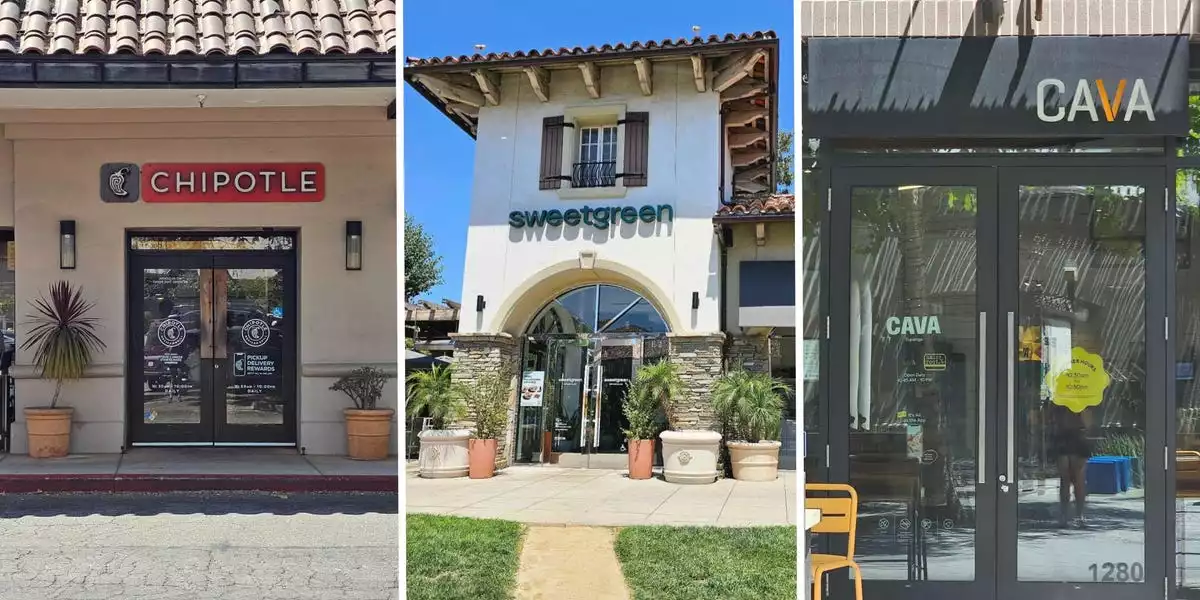

The Fast-Casual Reckoning: When Bowl Culture Meets the Value Equation
The golden era of fast-casual dining—once synonymous with overflowing bowls, customizable menus, and a whiff of virtue—has encountered a sobering recalibration. Chipotle, Sweetgreen, and Cava, the stalwarts of “bowl culture,” have posted their weakest same-store sales in years. The numbers are unambiguous: Sweetgreen’s sales dropped by 7.6%, Chipotle’s by 4.0% (its softest quarter since 2020), while Cava eked out a modest 2.1% gain, a far cry from the 14.4% surge a year prior. These figures are not mere blips; they signal a fundamental shift in consumer calculus and operational strategy.
At the heart of the issue is a growing skepticism about the price-to-portion value proposition. When a Chipotle lunch hovers near $19 and Cava or Sweetgreen can easily crest $30, the once-clear distinction between fast-casual and fast food blurs. Combo meals from traditional quick-service competitors now beckon with the siren song of affordability, forcing fast-casual giants to reexamine everything from menu architecture to promotional tactics.
Inflation, Premiumization Fatigue, and the Limits of Brand Elasticity
The macroeconomic context is unforgiving. Grocery inflation continues to outpace restaurant inflation, squeezing discretionary spending and nudging consumers back toward home cooking or the dollar menu. For the 18-34 demographic—historically the bedrock of fast-casual traffic—real wage growth has stagnated, further eroding the appetite for premium lunch experiences.
This is not merely a matter of tightening belts; it is a broader cultural moment. Much as consumers have grown weary of endless digital subscriptions, there is a palpable “premiumization fatigue.” The willingness to pay extra for freshness, transparency, or sustainability has reached its limits. The elasticity wall is real, and it is reshaping the fast-casual landscape.
Rising input costs compound the challenge. Protein and labor expenses have outstripped menu price increases, compressing margins and limiting the efficacy of traditional promotional levers. The old playbook—discounts, limited-time offers, or portion tweaks—no longer suffices.
Technology’s Double-Edged Sword: Transparency, Automation, and the AI Dilemma
Technology, long a growth accelerant for the sector, now exposes as much as it enables. Digital ordering—now 30–45% of all transactions—has demystified the true cost of a lunch order. The absence of register friction means that sticker shock is immediate and unfiltered, leading to higher rates of cart abandonment and a more price-sensitive customer base.
AI-driven dynamic pricing holds theoretical promise for smoothing demand, but the risk to brand equity is acute. Algorithms that surge prices during peak lunch hours threaten the egalitarian ethos these brands have cultivated. The specter of a rideshare-style backlash looms large; a misstep could erode years of trust.
Operational automation, however, offers a more promising path forward. Chipotle’s foray into robotics, exemplified by its “Autocado” initiative, is less about novelty and more about restoring margin discipline. By lowering cost of goods sold through labor-light production lines, these brands can create the financial headroom needed to reestablish value—whether through portion enhancements or selective price rollbacks.
Data-driven menu engineering is also reshaping the landscape. Transaction-level analytics now inform modular pricing strategies, allowing for “good-better-best” bowl architectures and the unbundling of premium ingredients. This transition from flat pricing to a more nuanced, airline-style ancillary model is a harbinger of things to come.
Strategic Crossroads: New Models for a Value-Conscious Era
The challenges facing fast-casual are not unique. Parallels abound: enterprises are rationalizing unused SaaS seats, and consumers are rethinking high-priced lunch rituals that no longer deliver return on investment. The convergence of ESG signaling and pocketbook reality is also instructive—while sustainability remains a talking point, the willingness to pay a “green premium” is decoupling from consumer behavior.
Forward-looking strategies are emerging:
- Tiered, bundled meals can anchor perceived savings while protecting margins through portion control.
- Time-based yield management—such as app-exclusive “happy hour bowls”—offers a way to lift traffic without undermining price integrity, provided transparency is maintained.
- Throughput technologies like automated prep stations and smart pickup shelving promise not just labor savings but higher order-per-hour capacity, reshaping unit economics.
- Subscription models—think a $99 quarterly “healthy lunch pass”—could secure predictable cash flow and lock in frequency, echoing the pre-pandemic success of Panera’s coffee subscription.
- Barbell menu architectures allow brands to capture both value-seeking and premium-oriented diners, reducing reliance on a single elasticity profile.
- M&A and white-labeling present avenues for diversification, hedging against in-store traffic risk.
The fast-casual sector now stands at a crossroads where operational technology, disciplined value engineering, and nuanced pricing must converge. Brands that treat this slowdown not as a crisis but as a crucible for structural innovation will emerge with stronger margins, diversified revenue streams, and a renewed contract with the consumer—one built not on aspiration alone, but on unmistakable value.

 By
By

 By
By
 By
By

 By
By
 By
By
 By
By







