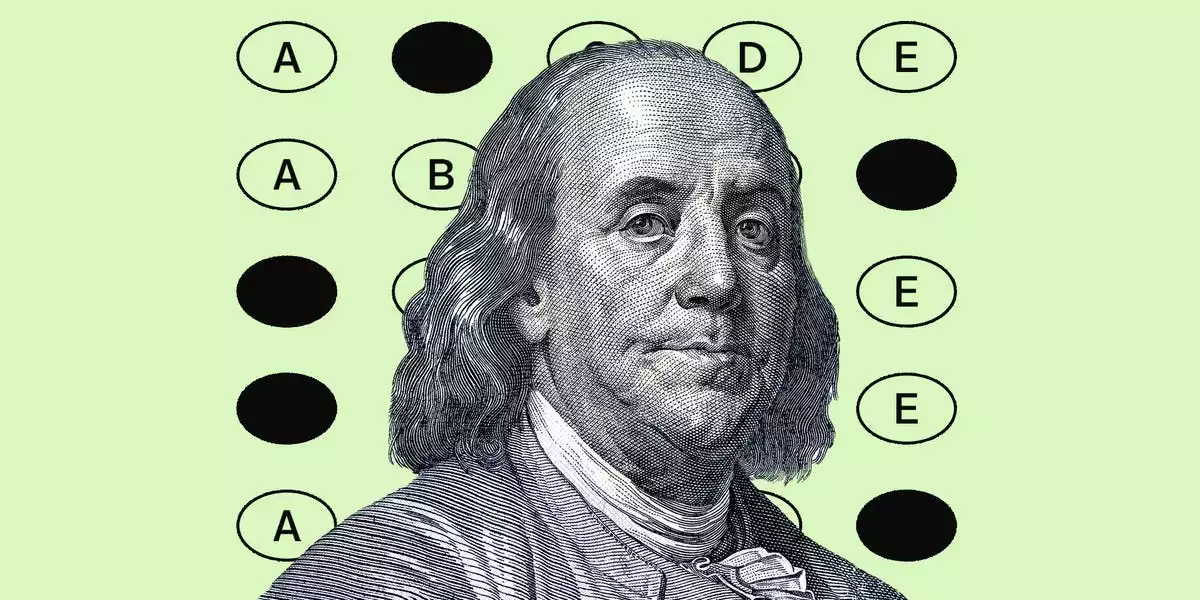

A Generation Rewrites the Capitalism Curriculum
In the fluorescent-lit classrooms of American high schools, a quiet revolution is underway. What began as a bureaucratic push for financial literacy has morphed into a generational reckoning with the very scaffolding of the U.S. economy. Twelve states now mandate financial-literacy education, and another eighteen are poised to follow. Yet, far from rote lessons in compound interest, these courses have become forums for a new kind of debate—one where Gen Z, equipped with smartphones and a keen sense of economic injustice, interrogates the gospel of free markets with unprecedented rigor.
Teachers, once the arbiters of economic orthodoxy, now find themselves fielding pointed questions on wealth inequality, labor rights, and the social contract. The result is a classroom dynamic that is less about indoctrination and more about negotiation—a negotiation over capitalism’s very social license.
EdTech, Fintech, and the New Pedagogy of Doubt
The curricular shift has triggered a cascade of innovation in educational technology. School districts, compelled by law, are now major buyers of adaptive learning platforms, gamified investing simulators, and AI-driven assessment tools. The stakes are high: vendors who can seamlessly integrate granular learning analytics into district systems—leveraging standards like LTI 1.3—are poised to dominate this rapidly expanding market.
Fintech startups, too, have seized the moment. Teen-oriented neobanks and fractional-share brokerages are no longer just after-school curiosities; they are woven into lesson plans as case studies, offering students hands-on exposure to the mechanics—and risks—of modern finance. For these firms, the classroom is not merely a pipeline for future customers, but a proving ground for trust and compliance. Those that align educational content with rigorous risk disclosures are quietly building reputational capital that will pay dividends as these students enter adulthood.
Perhaps most intriguingly, the same social listening tools that track TikTok trends and meme stocks are now feeding real-time sentiment data back into the classroom. Educators, armed with NLP dashboards, can adjust their lesson plans to address the narratives that resonate—or provoke backlash—among their students. This feedback loop is already being mapped by HR tech giants to forecast future labor-market expectations, including the rising demand for ESG (Environmental, Social, and Governance) roles.
Macro Forces and the Feedback Loops of Skepticism
The skepticism that animates Gen Z’s approach to capitalism is not mere adolescent contrarianism; it is a rational response to the macroeconomic realities they witness daily. Post-financial crisis monetary policy has inflated asset prices, widening the wealth gap—a fact that students can verify in seconds on their devices. This lived experience is fueling a labor-market repricing, evident in the union drives at Starbucks and Amazon, and is forcing employers to rethink their Employee Value Propositions. Compensation alone is no longer sufficient; purpose and societal impact are fast becoming the new currency of talent retention.
The regulatory implications are equally profound. As this cohort matures into voters, their skepticism is likely to crystallize into bipartisan support for antitrust, digital privacy, and climate-risk disclosure regulations. For large-cap tech and financial institutions, the operating playbook is shifting beneath their feet.
Amid these tectonic shifts, subtle but significant connections are emerging:
- Crypto modules in “investing basics” are priming students for a future where programmable money and CBDCs are mainstream.
- Stock-market games are creating microcosms of agent-based economic modeling, with anonymized student trades offering predictive insights that could attract quant funds.
- AI ethics debates are merging with critiques of capitalism, sharpening demands for transparency in algorithmic decision-making across sectors.
Strategic Imperatives for the Next Decade
For decision-makers across the corporate, policy, and investment spectrum, these developments are neither peripheral nor abstract. They are early signals of a generational pivot that will define consumer loyalty, workforce dynamics, and regulatory posture for years to come. The implications are clear:
- Talent Strategy: Boards must recalibrate their value propositions around societal impact, not just salary bands.
- Product Development: Financial wellness and transparency dashboards will become baseline expectations for consumer trust.
- Policy Engagement: Early collaboration with curriculum committees—perhaps by contributing open-source modules or educator training—can pre-empt adversarial regulatory narratives.
- Capital Allocation: Financial-literacy EdTech is now infrastructure, not a discretionary add-on; investments here are both strategic and socially resonant.
Yet, the terrain is not without hazards. Curricular mandates risk triggering partisan backlash, akin to the debates over critical race theory. Assessment standardization and data privacy—especially under FERPA—will separate the winners from the merely compliant.
As the classroom becomes the crucible where capitalism’s next chapter is drafted, the organizations that listen, adapt, and engage will find themselves not just surviving, but shaping the future. For those attuned to these signals—whether in boardrooms, investment committees, or research labs like Fabled Sky Research—the opportunity is as much ethical as it is strategic. The next decade belongs to those who can read the room, and the room, it turns out, is the American high school.

 By
By
 By
By
 By
By
 By
By



 By
By