


The Modern Shopper’s Dilemma: How Costco’s Model Turns Time Poverty Into Loyalty
There is a certain poetry in the fluorescent-lit aisles of Costco, where the hum of commerce is punctuated by the clatter of oversized carts and the allure of rotisserie chickens. For a generation of time-starved professionals, the warehouse club has become more than a place to stock up—it is a lifeline, a place where the burdens of modern life are quietly, efficiently, and deliciously alleviated. The firsthand account of a 27-year-old “power user” offers not just a glimpse into one shopper’s basket, but a window into the evolving architecture of American retail and the shifting priorities of its consumers.
The Anatomy of a Costco Basket: Time, Trust, and Taste
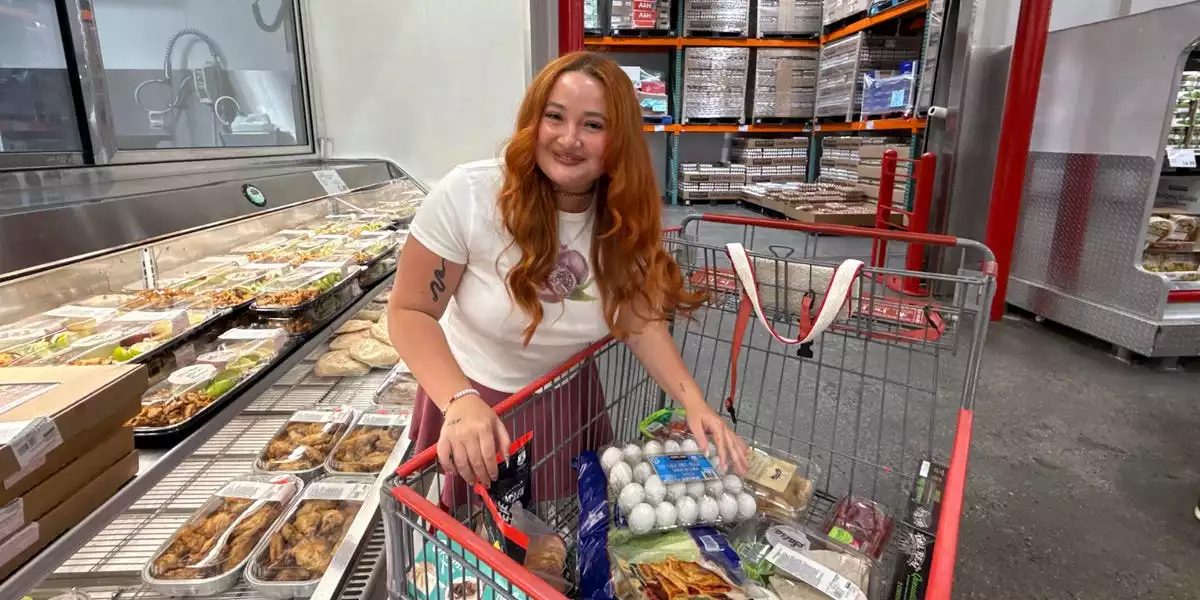
Behind the shopper’s choices—rotisserie chicken, quesadilla kits, tomato soup, and frozen snacks—lies a nuanced calculus. Each item is a solution to the relentless scarcity of time, a substitute for the home-cooked meal that working hours have rendered aspirational. This is not mere convenience; it is the monetization of “time poverty,” a phenomenon that has become a defining feature of the post-pandemic workforce.
Costco’s prepared and semi-prepared foods, once a sideline, have emerged as a central pillar of its value proposition. The warehouse’s in-house commissary model, with its relentless focus on freshness and scale, transforms bulk purchasing into a home-meal-replacement engine. Unlike competitors who chase trends with ghost kitchens or meal-kit tie-ins, Costco’s operational discipline—epitomized by its $4.99 rotisserie chicken—anchors loyalty and shields members from the volatility of branded inflation.
But the basket is more than a reflection of expedience; it is a testament to the power of private label. Kirkland Signature, with its promise of quality and value, recurs throughout the shopper’s narrative. The salmon is “fresher than other options,” the snacks evoke childhood memories, and the brand itself becomes a vessel for nostalgia and trust. In a world where brand loyalty is increasingly transactional, Costco’s private-label premiumization stands as a rare feat: trading down without trading off.
Private-Label Ascendancy and the Blurring of Retail Boundaries
Kirkland Signature is no longer a mere alternative; it is a juggernaut, driving an estimated $60 billion in annual sales and rivaling legacy CPG brands. Costco’s willingness to invest in vertical integration—its poultry complex in Nebraska, for example—signals a strategic moat, freezing prices and preserving quality even as inflation bites. The result is a basket that is both high-velocity and high-margin, designed to capture the full spectrum of consumer needs from weekday sustenance to weekend indulgence.
This model is not without its tensions. The boundaries between grocery and restaurant blur as prepared foods become a battleground for wallet share. Traditional grocers and quick-service restaurants face an existential challenge: how to defend foot traffic when the warehouse club can offer both value and culinary satisfaction under one roof. The shopper’s reliance on Costco’s prepared foods is a harbinger of this shift, and the industry’s response—be it through differentiated assortments or experiential retail—will determine who thrives in the new landscape.
The Digital Imperative and the Future of Experiential Retail
Despite its operational prowess, Costco’s digital engagement lags behind its peers. The absence of e-commerce or delivery references in the shopper’s account is telling—a risk, but also an opportunity. As AI-driven personalization and replenishment become table stakes, the potential for subscription-based meal bundles or mobile re-ordering looms large. Strategic partnerships, perhaps with dark-kitchen operators, could catalyze a new phase of growth, locking in the time-starved demographic that Costco so ably serves.
Yet, even as the future beckons, the past exerts a powerful pull. The shopper’s nostalgia for in-store sampling, the food court’s simple pleasures, and the “treasure-hunt” thrill of discovery affirm the enduring value of physical retail. In an era of frictionless e-commerce, the warehouse club’s theater—its sense of occasion—remains a formidable differentiator. Retailers who neglect this experiential dimension risk commoditization, while those who embrace it can forge bonds that transcend price.
Costco’s model, then, is not just a response to economic pressures; it is a blueprint for the convergence of value, convenience, and trust. For industry leaders and disruptors alike, the lesson is unmistakable: the future belongs to those who can turn the everyday act of shopping into an act of loyalty, nostalgia, and delight.

 By
By

 By
By

 By
By

 By
By
 By
By







