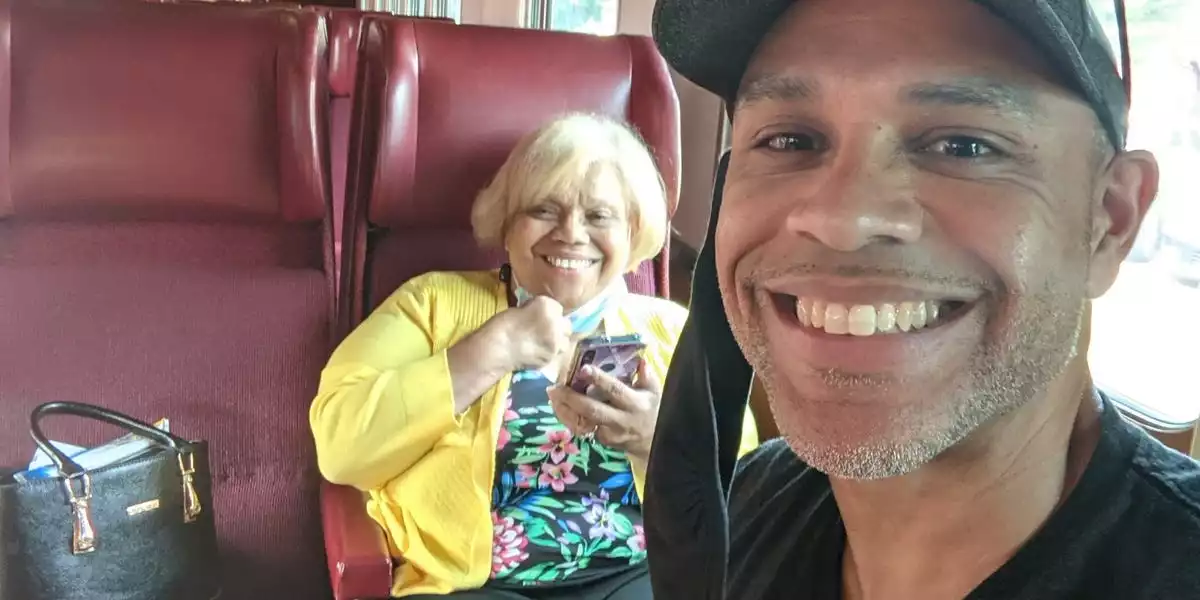

The Unseen Catalyst: How a Family Caregiving Journey Reveals the Future of Health, Work, and Technology
A son’s yearlong odyssey between Arizona and Georgia, tending to a mother besieged by both cervical cancer and dementia, is more than a moving chronicle of filial devotion. It is an x-ray of a society on the brink of transformation—a tableau in which the intimate intersects with the systemic, and where the future of healthcare, labor, and technology is being quietly, inexorably rewritten.
The story’s granular details—midnight flights, medication reconciliations, the emotional calculus of presence at the bedside—illuminate the profound gaps and opportunities that define the next era of care. This is not merely a personal saga; it is a strategic signal, one that executives, policymakers, and technologists would be wise to heed.
—
Fractured Touchpoints: The Limits of Today’s Digital Caregiving
Despite the pandemic’s telehealth boom, the narrative exposes a stubborn reality: the most complex, emotionally charged care—oncology, dementia, end-of-life—remains deeply tethered to physical presence. The son’s repeated journeys underscore:
- Remote Care Shortfalls: Advanced remote-care platforms—AI-powered health monitors, continuous vitals telemetry, remote-presence robotics—remain more promise than practice. The absence of these tools forces caregivers into costly, disruptive travel.
- Telehealth’s Plateau: Virtual care, once ascendant, now hovers at 35–40% of its pandemic peak. For conditions like cancer and dementia, digital touchpoints rarely supplant the need for in-person engagement.
- Data Silos: The logistical ballet of coordinating updates between oncology, neurology, and family caregivers is hamstrung by fragmented electronic health records. True data liquidity—seamless, interoperable information flow—remains elusive.
Yet, the technological horizon is not static. The miniaturization of diagnostic devices, the proliferation of 5G, and the slow but steady march of “hospital-at-home” pilots hint at a coming inflection. AI models for early detection and disease progression, though not yet fully integrated into clinical workflows, foreshadow a world in which the home becomes the epicenter of care.
—
The Economic Undercurrents: Caregiving’s Hidden Costs and Emerging Markets
Beneath the surface of this personal account lies a vast, often invisible economic engine. The U.S. absorbs an estimated $50–60 billion annually in lost productivity from unpaid family caregiving, a figure poised to swell as the population ages. The narrative’s depiction of cross-country flights and ad-hoc leave is not anecdotal—it is archetypal.
- Policy Momentum: Legislative efforts like the bipartisan Credit for Caring Act, which proposes a $5,000 refundable tax credit, signal a shift in the economic calculus for both families and insurers.
- Insurance Innovation: Hybrid life and long-term care policies are being reimagined to cover at-home oncology and cognitive therapies, responding to rising consumer demand.
- Employer Response: Corporations, especially within the Fortune 500, are expanding caregiver stipends, backup-care networks, and flexible travel accommodations to retain critical talent.
The demographic tailwind is unmistakable: by 2030, one in five Americans will be over 65. Multi-morbidity—cancer plus dementia—will become statistically mainstream, tightening labor markets and accelerating the need for automation and workforce analytics.
—
Strategic Imperatives: From Narrative to Competitive Advantage
For decision-makers, the lesson is clear: stories like this are not merely poignant—they are predictive. The convergence of health-tech, workforce policy, and demographic change demands a new playbook.
- Health-Tech Integration: Investors should view home-based oncology and neuro-degeneration solutions as a single, convergent market. Subscription models that bundle monitoring, medication adherence, and psychosocial support will define the next wave.
- Workforce Analytics: Chief Human Resources Officers must deploy caregiver analytics to anticipate and mitigate talent risk, integrating job-share and gig-bench solutions for roles with high caregiving exposure.
- Cross-Industry Alliances: Expect creative partnerships—airlines offering caregiver fares, hospitality groups converting suites for transient family caregivers, and even digital “caregiver passports” consolidating legal and medical credentials.
- ESG and Brand: Companies that champion caregiver support see marked gains in employee engagement and procurement competitiveness, as environmental, social, and governance (ESG) criteria become central to RFPs.
The forward arc is unmistakable: as CMS considers expanding the Hospital Care at Home waiver, and as AI-driven companionship platforms edge toward clinical legitimacy, the market is primed for consolidation and innovation. Roll-ups between hospice providers, remote patient-monitoring startups, and behavioral health platforms are already on the horizon.
In the end, the deeply personal becomes profoundly strategic. The lived realities of caregivers are not just stories—they are signals. Those who translate these signals into bold investments in home-centric care, caregiver-friendly policies, and interoperable health data infrastructures will not merely adapt to the future—they will shape it.

 By
By
 By
By
 By
By
 By
By
 By
By


 By
By