
The Human Face of the Longevity Era: Lessons from a Caregiver’s Journey
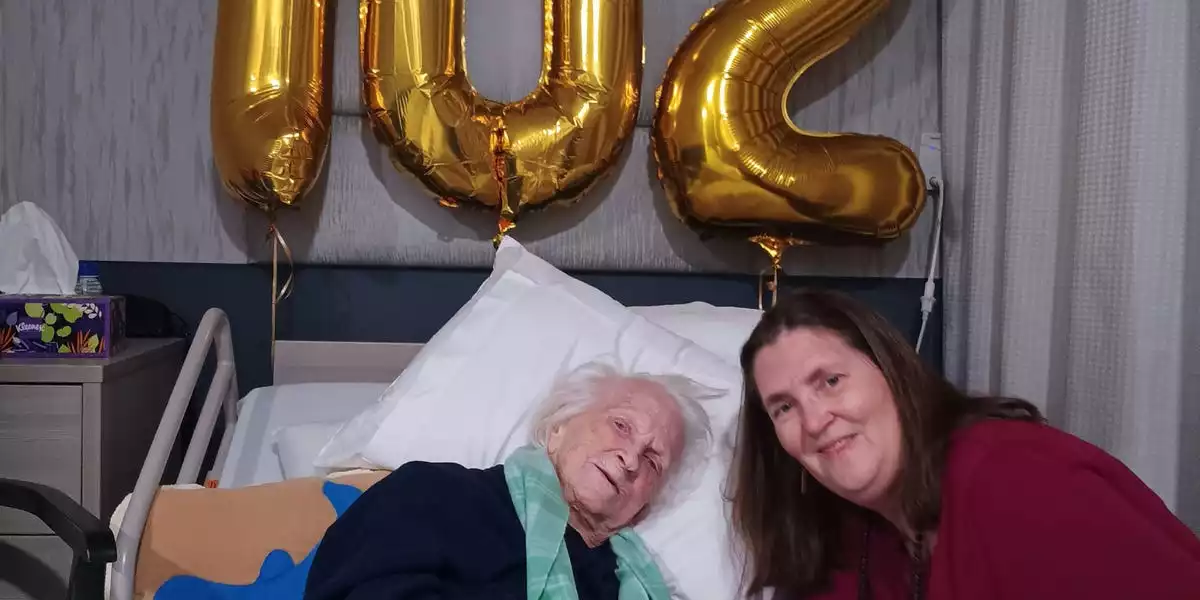
Alison Pena’s nine-year odyssey as a caregiver to her centenarian mother-in-law, Joyce, unfolds as both a deeply personal narrative and a lens onto a seismic societal shift. The story, intimate in its details—weekly manicures, home modifications, the stubborn insistence on autonomy—mirrors the mounting pressures facing millions as the world’s population ages at an unprecedented rate. Behind every ritual and every fall lies a collision of personal dignity, economic strain, and the relentless march of demographic change.
Aging in Place: The Promise and Peril of Home-Based Care
Joyce’s experience encapsulates the aspirations and limits of “aging in place.” Like many seniors, she wished to remain at home, surrounded by the familiar, with family as her primary support. Alison’s approach—deploying informal care, adapting the home environment, and maintaining cherished routines—reflects the ingenuity and devotion that define the invisible workforce of family caregivers.
Yet, the narrative’s turning points—recurrent falls, hospitalizations, and the eventual move to institutional care—underscore the fragility of this model. Low-tech interventions and personal vigilance can only go so far. When safety imperatives finally override personal preference, the transition to a nursing facility is both a logistical and emotional rupture. The emotional labor persists; Alison’s continued presence, distilled into small acts of care, becomes the last thread tying Joyce to her former self.
The broader context is staggering:
- By 2030, every Baby Boomer will be 65 or older, swelling the U.S. senior population to nearly 74 million.
- The over-85 cohort is the fastest-growing segment, with fall-related injuries already costing the U.S. over $50 billion annually.
- Family caregivers contribute an estimated $600 billion in unpaid labor—an invisible engine sustaining the care economy but eroding workforce participation, especially among women.
The Economic Undercurrents and Technological Fault Lines
The financial realities of eldercare are sobering. Nursing-home costs now exceed $100,000 per year on average in the U.S.; even home health aides, where available, represent a $60,000 annual outlay. For most families, long-term-care insurance is a distant prospect—penetration remains below 10%—forcing many into Medicaid spend-down strategies that imperil both public budgets and private savings.
For employers, the impact is quietly corrosive. Productivity loss from caregiving—absenteeism, presenteeism, and turnover—is often underestimated, yet tier-one corporations are beginning to model EBITDA erosion of up to 0.6% attributable to these pressures. The ripple effects extend to talent retention, particularly in knowledge industries where mid-career women are disproportionately affected.
Technology offers tantalizing possibilities, but also reveals stark gaps:
- Home-based fall mitigation: Computer vision, LiDAR, and IoT sensors promise real-time risk reduction, but interoperability and reimbursement hurdles persist.
- Robotics and assisted mobility: Innovations like Japan’s PARO seal and Toyota’s Human Support Robot hint at the future, yet face cultural and financial barriers in Western markets.
- Digital companionship and ritual preservation: The simple act of a manicure suggests a market for remote or augmented micro-services—telepresence, haptic feedback, even robotic kiosks—that blend technology with human touch.
- Data governance: As passive monitoring proliferates, the custodianship of sensitive geriatric data looms as both an ethical and regulatory frontier, demanding frameworks akin to pediatric privacy protections.
Adjacent Markets and Strategic Imperatives for the Longevity Economy
The reverberations of this demographic transformation extend well beyond healthcare. Commercial real estate is pivoting toward sensor-ready, age-in-place retrofits and mixed-use intergenerational housing. Beauty and personal-care brands are beginning to recognize wellness rituals as a channel for ongoing engagement and emotional resilience among elders. Employers are experimenting with voluntary caregiving benefits—concierge scheduling, home retrofit subsidies, pooled long-term-care coverage—as differentiators in a fiercely competitive talent market.
Capital is flowing into these adjacencies. ESG and impact investors are embedding caregiving metrics into social pillar evaluations, fueling high-integrity elder-tech ventures and alternative care models such as small-home “Green House” projects. The convergence of healthcare and consumer technology is accelerating, with med-device incumbents and electronics giants vying to “own” the last fifty feet of the aging-in-place experience.
For decision-makers, several actionable strategies emerge:
- Audit caregiver exposure: Quantify hidden productivity costs and model the ROI of supplemental benefits or eldercare concierge services.
- Forge partnerships in care tech: Align with startups delivering validated fall detection, mobility aids, and sensory-enhanced rituals that improve daily adherence.
- Engage policy channels: Participate in state-level Medicaid waiver rulemaking and CMS pilot programs to secure reimbursement for home-based technologies.
- Prioritize ethical data stewardship: Develop governance structures that treat senior behavioral data with the same sensitivity as pediatric information, anticipating regulatory evolution.
- Explore adjacent consumer opportunities: Beauty, wellness, and lifestyle brands can design therapeutic experiences tailored to an aging demographic, unlocking new revenue streams.
The story of Alison and Joyce is not merely anecdotal—it is emblematic of a $8 trillion global care economy in flux. As the longevity era unfolds, those who translate these insights into strategic investments and policy engagement will not only capture outsized returns, but also help redefine dignity and connection for generations to come.

 By
By
 By
By
 By
By

 By
By
 By
By

 By
By