
The End of Trick-or-Treating: A Microcosm of Shifting Holiday Commerce
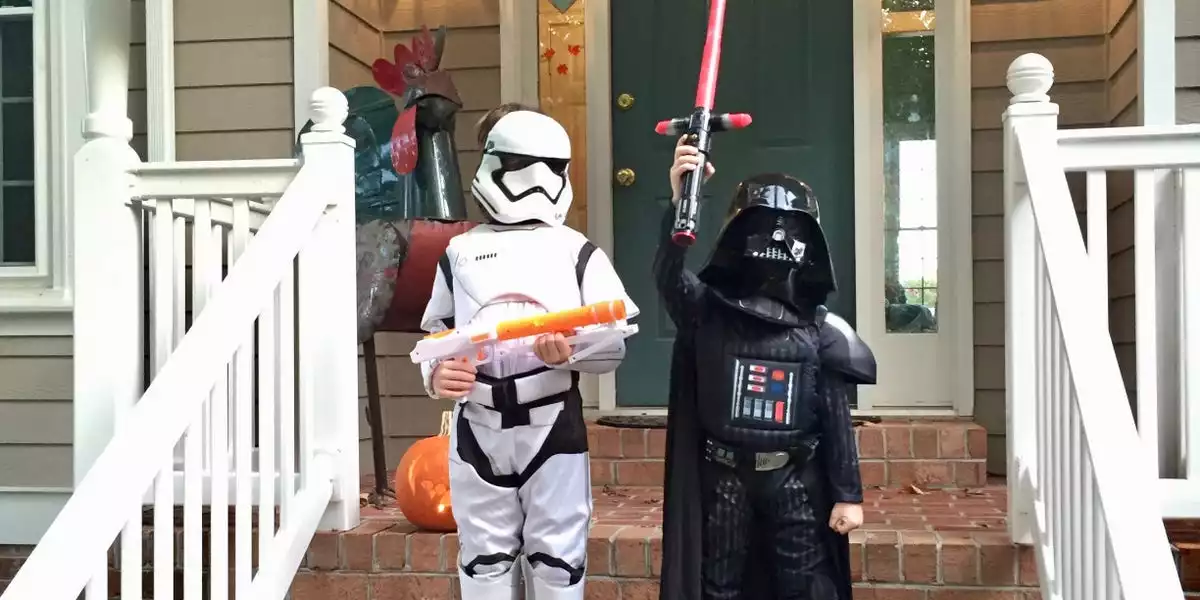
The quiet retirement of a family’s trick-or-treat tradition, as recounted in a recent personal reflection, is more than a wistful anecdote—it is a prism through which to view the profound demographic, behavioral, and technological shifts now reshaping the seasonal economy. As the author’s teenage sons, aged 14 and 15, move beyond the child-centered rituals of Halloween, their transition mirrors a nationwide inflection point that is transforming not only how families celebrate, but also how brands, retailers, and technology platforms must adapt to a new era of hybrid, nostalgia-driven, and digitally mediated experiences.
Demographic Drift and the Pandemic’s Lasting Shadow
The so-called “tween-to-teen fade” is a well-documented phenomenon: U.S. households lose an active trick-or-treater every 6.8 years on average. This slow but steady attrition is now accelerated by the aftershocks of the pandemic. Lockdowns in 2020 and 2021 truncated two consecutive Halloween cycles, creating what behavioral economists might call a “permanent off-ramp” for older Gen-Z participants. According to McKinsey, nearly 28% of households never fully returned to pre-pandemic Halloween rituals, effectively accelerating the demographic fade by nearly two years.
These shifts are not merely statistical curiosities—they are reshaping the very contours of seasonal commerce:
- Traditional Halloween SKU velocity is contracting as teens pivot spending away from costumes and candy toward gaming, streaming, and social platforms.
- Nostalgia is emerging as a potent economic signal. Parents, yearning for the fleeting magic of holidays past, are fueling a “nostalgia-spend” segment. Etsy’s 39% year-over-year surge in searches for “nostalgic Halloween décor” in 2023 is a telling indicator of this monetizable sentiment.
Digital Substitution and the Rise of Hybrid Holiday Rituals
The digital transformation of Halloween is not a future scenario—it is unfolding in real time. Platforms like Roblox, Fortnite, and Snapchat have normalized virtual costumes and skins, which now compete directly with physical costume sales. Augmented reality “porch experience” apps are scaling rapidly, with Niantic reporting a 54% jump in Halloween-themed Lens usage. These hybrid experiences are not merely novelties; they are redefining what it means to participate in seasonal rituals.
Retailers and CPG brands are responding with increasingly sophisticated, data-driven approaches:
- Loyalty apps from giants like Target and Walmart now capture SKU-level holiday consumption data, enabling dynamic inventory shifts as households age out of trick-or-treating.
- Predictive analytics flag declining candy basket sizes months in advance, providing an operational hedge against seasonal overstock.
The implications are clear: the holiday economy is no longer a monolith, but a mosaic of micro-segments—each with its own triggers, preferences, and spending patterns.
Strategic Imperatives for a Reframed Holiday Economy
Executives across consumer goods, retail, media, and technology face a new mandate: translate these emotional and behavioral cues into actionable strategy. The contours of this new landscape are already visible:
- Consumer Packaged Goods and Retail:
– Shift from bulk-bag candy to premium, gift-worthy assortments targeting nostalgic parents and young adults.
– Launch limited-edition SKUs co-branded with digital IP to recapture teens migrating online.
- Media & Entertainment:
– License classic Halloween IP into metaverse platforms, blending nostalgia with digital reach.
– Offer short-form “memory capsules”—AI-generated photo mashups, AR scrapbooks—as value-added services.
- Smart Home & IoT Vendors:
– Position connected lighting, doorbell cameras, and drone displays as the new “grown-up” Halloween toolkit, replacing child-centric spend with high-margin hardware.
Scenario planning suggests a high probability that hybrid Halloween will become the norm by 2028, with physical participation plateauing and digital experiences filling the gap. Meanwhile, a nostalgia renaissance among millennials could drive outsized growth in décor and party supplies, while a breakthrough in VR could further erode traditional doorstep rituals.
Nostalgia, Data, and the Future of Seasonal Experience
The end of a family’s trick-or-treat era is not simply a personal milestone—it is a leading indicator of broader demand curves, evolving customer journeys, and new monetization pathways. The interplay of nostalgia and digital hybridity is creating fertile ground for innovation, from premium décor lines to AR-powered neighborhood experiences. For forward-looking brands and retailers, the challenge is to convert these emotional cues into data-informed strategy—leveraging first-party app data, predictive analytics, and partnerships with AR/VR firms to create seamless, cross-channel holiday experiences.
Fabled Sky Research and other analysts tracking these trends underscore a central truth: the experience economy is being rewritten in real time, and those who listen closely to the subtle signals of change will be best positioned to thrive in the new holiday landscape.


 By
By
 By
By
 By
By
 By
By


 By
By