

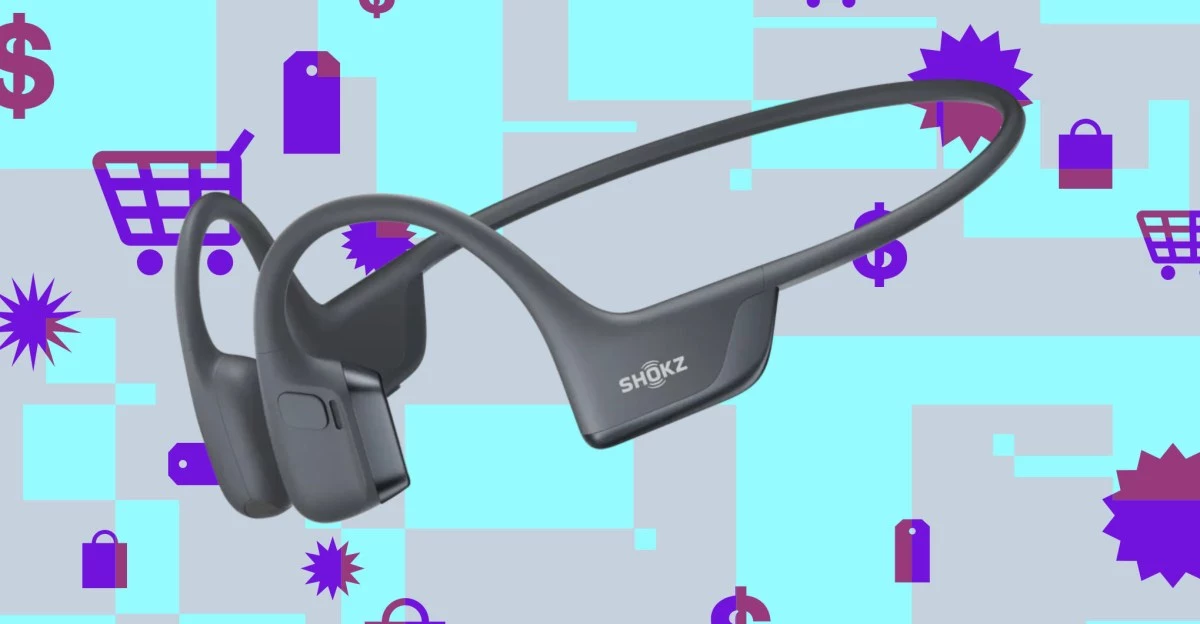

Shokz OpenRun Pro 2 at $139.99: a pricing signal in a crowded wearable-audio market
Shokz’s spring promotion, headlined by the OpenRun Pro 2 bone conduction headphones at $139.99 (down $40), reads as more than a routine discount. It is a pointed move in a category where feature parity is rising, product cycles are compressing, and consumers are increasingly value-sensitive. Hitting the lowest price since December positions Shokz to capture buyers who might otherwise default to aggressively priced true wireless earbuds—especially as many shoppers now treat premium audio as a “nice-to-have” rather than a must-buy.
The timing also hints at familiar retail mechanics: promotions can simultaneously stimulate demand and clear channel inventory ahead of refreshes. In wearable audio, where incremental improvements (battery, charging, call quality) can quickly redefine “baseline expectations,” price becomes a strategic lever to keep a specialized form factor—bone conduction—top of mind.
For SEO and buyer intent, the key takeaway is straightforward: the OpenRun Pro 2 discount places a flagship bone conduction headset into midrange territory, inviting direct comparison with in-ear models that may sound richer but sacrifice situational awareness.
Engineering shifts that target the core critique: bass, comfort, and everyday friction
Bone conduction headphones have long carried a trade-off: ambient awareness and safety in exchange for lower perceived bass and reduced isolation. Shokz’s OpenRun Pro 2 attempts to narrow that gap by addressing the most persistent audiophile complaint—thin low-end response—through enlarged 18 × 11 mm air conduction drivers. This hybrid emphasis is notable: rather than treating bone conduction as a singular identity, Shokz is effectively acknowledging that mainstream adoption requires more conventional acoustic reinforcement.
Equally important are the ergonomic refinements, which often matter more than spec sheets in sports tech:
- Thinner ear hooks and an ultra-light neckband aim to reduce pressure points during long runs and rides.
- Improved comfort for glasses-wearers targets a large, frequently underserved segment of active users.
- 12-hour battery life aligns with all-day wear patterns—commutes, work calls, training sessions—without demanding midday charging.
- The move to USB‑C is not glamorous, but it is decisive: it reduces cable clutter and brings Shokz in line with modern device ecosystems.
These upgrades collectively signal a maturing category. Bone conduction is no longer marketed merely as a niche safety tool; it is being shaped into a credible everyday headset alternative—especially for people who prioritize environmental awareness over maximum isolation.
Still, the technology’s physics remain stubborn. Bone conduction’s strengths—open-ear listening and reduced occlusion—also limit how much it can mimic the sealed acoustic chamber of in-ear or over-ear designs. Shokz’s approach suggests a pragmatic roadmap: improve perceived fullness and comfort first, then keep pushing on voice and noise processing.
AI noise cancellation for calls: the next battleground for open-ear credibility
The OpenRun Pro 2 includes AI-driven noise cancellation for calls, but early impressions described it as falling short of “headset standards.” That gap matters because the market has shifted: consumers increasingly expect a single device to handle fitness, commuting, and hybrid-work calls. In other words, open-ear headphones are no longer competing only with sports gear; they are competing with office peripherals and premium earbuds tuned for voice clarity.
This is where “AI” becomes less of a marketing label and more of an engineering constraint. In dynamic outdoor environments—wind, traffic, crowd noise—call quality depends on a tight interplay of:
- Microphone array design and placement
- Wind-noise suppression
- Real-time signal processing (DSP) tuned for voice isolation
- Latency management to avoid artifacts and pumping
Bone conduction designs can struggle here because they are intentionally open, allowing more ambient sound to reach microphones and the listener. The result is a strategic tension: the very openness that makes bone conduction safer can make voice isolation harder.
For Shokz, the implication is clear. If it wants to expand beyond “runner’s headset” into a broader productivity-and-lifestyle role, it may need to accelerate investment in advanced DSP, potentially through partnerships with signal-processing specialists or targeted acquisitions. The company’s differentiation—situational awareness and a defensible niche—remains strong, but call performance is increasingly the deciding factor for mainstream buyers.
A wider deal landscape: Ember Mug 2, novelty electronics, and AirPods Max at $399
The parallel promotions—Ember Mug 2 (app-controlled temperature), Goliath Power Saber (motion-activated toy), and first-generation AirPods Max at $399—help contextualize the moment. Retailers are leaning into a familiar playbook: mix practical lifestyle tech with impulse-friendly gadgets and discounted premium anchors to broaden basket size.
Each deal also reflects a different slice of consumer psychology in 2026’s “tech thrift” environment:
- Ember Mug 2 monetizes personalization and routine—micro-optimizations that feel luxurious but defensible.
- Novelty electronics like the Power Saber tap nostalgia and experiential play, often resilient during cautious spending because they deliver immediate emotional payoff.
- AirPods Max at an all-time low underscores how quickly high-end audio can slide toward commoditization as newer generations loom and inventory strategy tightens.
Against that backdrop, Shokz’s OpenRun Pro 2 promotion looks like a calculated bid to convert curiosity into adoption. The product’s proposition is not “best sound at any cost,” but the ability to hear your audio while still hearing the world—and at $139.99, that proposition becomes accessible enough to challenge default buying habits. The next phase of competition will be decided less by novelty and more by whether open-ear leaders can make call quality and sound richness feel as effortless as the safety benefits that brought users to bone conduction in the first place.

 By
By
 By
By
 By
By


 By
By
 By
By








