


The Protein Bar Paradox: When Nutrition Meets the Demands of Taste
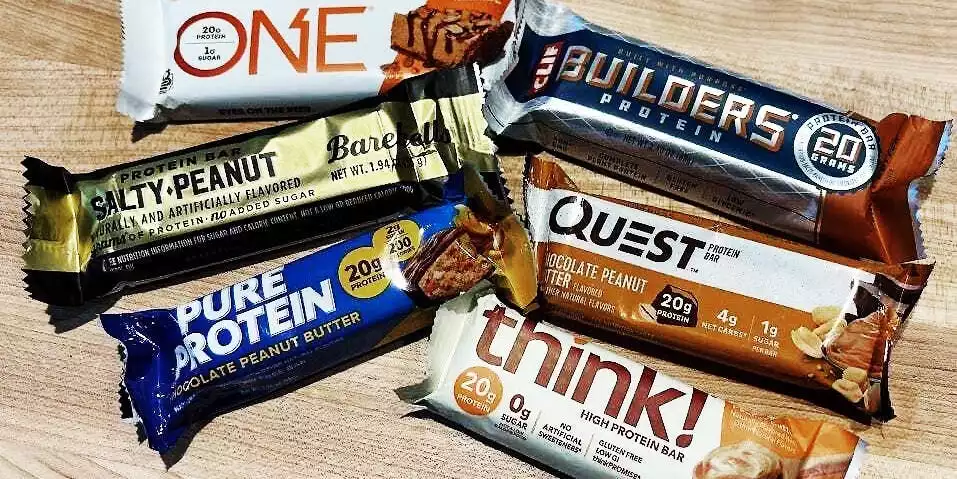
In the ever-expanding universe of functional snacking, the latest comparative tasting of six leading peanut-butter protein bars—One, Think!, Quest, Pure Protein, Clif Builders, and Barebells—serves as a revealing lens on the sector’s most pressing contradiction. While each bar delivers the requisite 20 grams of protein, only Barebells manages to harmonize authentic flavor, pleasing texture, and a clean nutritional label. This outcome underscores a persistent industry tension: the promise of nutrition is no longer enough—taste is the true arbiter of consumer loyalty.
Functional Snacking’s Market Moment: Growth, Pressure, and Premiumization
The protein bar category is not merely growing; it is evolving at a 7–9% CAGR, propelled by seismic shifts in work, wellness, and eating habits:
- Hybrid Work and Meal Fragmentation: As traditional meals fragment into snackable moments, portable nutrition becomes indispensable.
- Metabolic Health Focus: Consumers are scrutinizing not just macros but also glycemic impact and ingredient transparency.
- Premiumization of Indulgence: Capital is flowing into “better-for-you indulgence,” a space where brands can command higher margins and justify premium price points.
Yet, this growth is shadowed by formidable supply-side challenges. Cocoa price inflation, volatile protein inputs, and tightening ESG regulations on sugar sourcing are forcing brands to rethink both their cost structures and their ingredient decks. The Barebells result, with its confectionery-grade sensory profile and no added sugar, validates a new commercial imperative: taste parity with candy is no longer aspirational, but compulsory.
The Science of Sensory Satisfaction: Where R&D Meets Reality
The taste test exposes a critical misalignment in the industry’s innovation agenda. Five of six bars prioritized macronutrient claims and packaging aesthetics, but faltered on the multisensory experience. The result? Textures that veer toward the rubbery, flavors that fade into artificiality, and sweetener strategies that leave a chemical afterglow.
Key technical hurdles include:
- Texture Engineering: High-protein matrices are prone to hardening and dryness. Brands lacking advanced extrusion or innovative binders—think soluble corn fiber blends or chickpea protein crisps—see rapid decline in palatability.
- Flavor Retention: Peanut butter’s nuanced notes are notoriously difficult to preserve under high-heat processing. Without next-generation flavor encapsulation, the roasted aroma dissipates, replaced by a generic “chewy gum” sensation.
- Sweetener Complexity: Sugar alcohols and artificial sweeteners may solve for calories, but introduce cooling effects and lingering aftertastes. Barebells’ superior profile hints at a proprietary sweetener stack—likely a blend of low-dose sugar alcohols with monk fruit or enzymatically modified stevia—that deftly sidesteps these pitfalls.
Technology, Economics, and the Next Wave of Differentiation
If taste is now table stakes, technology is the lever for sustainable advantage. The most forward-looking brands are turning to:
- AI-Driven Sensory Modeling: Machine learning algorithms, trained on vast sensory datasets, are now predicting optimal ingredient ratios, slashing formulation cycles by up to 40%.
- Precision Fermentation: Recombinant flavor compounds and designer proteins offer both sensory neutrality and sustainability, though regulatory approval remains a gating factor.
- Smart Manufacturing: Inline near-infrared spectroscopy enables real-time validation of moisture and protein content, reducing the batch-to-batch flavor drift that plagues legacy brands.
On the economic front, margin compression looms as input costs—especially for whey isolate—continue to rise. Brands that respond by downgrading taste risk a double blow: higher costs and lower consumer retention. Meanwhile, regulatory trends such as sugar taxes create a pricing umbrella for no-added-sugar SKUs, positioning brands like Barebells to capture outsized share.
Strategic Imperatives for the New Era of Functional Indulgence
For decision-makers, the path forward is clear yet demanding:
- Invest in Sensory Analytics: Real-time consumer feedback, mined from e-commerce reviews and social sentiment, must inform agile reformulation cycles.
- Reformulation as ROI: Even modest gains in repeat purchase rates from improved flavor can outstrip shelf-space wins at retail.
- Prepare for Cross-Category Convergence: As confectionery giants seek “health halo” acquisitions, early alignment with their compliance standards will enhance exit valuations.
- Stay Ahead of Regulation: Proactive adaptation to evolving definitions of “added sugar” and “natural flavor” will avert costly setbacks.
- Monitor Macroforces: The rise of GLP-1 weight-loss drugs may shrink overall snack consumption, but will heighten demand for smaller, more indulgent, nutrient-dense products.
The latest taste test is not merely a consumer curiosity—it is a microcosm of the competitive frontier in functional snacking. Flavor excellence, underpinned by data-driven formulation and resilient supply chains, is fast becoming the decisive moat. Brands that recalibrate toward sensory-first innovation, leveraging advanced technology and regulatory foresight, will seize disproportionate value as the category matures from protein arithmetic to true confectionery-grade indulgence with functional credibility.

 By
By
 By
By
 By
By

 By
By


 By
By







