

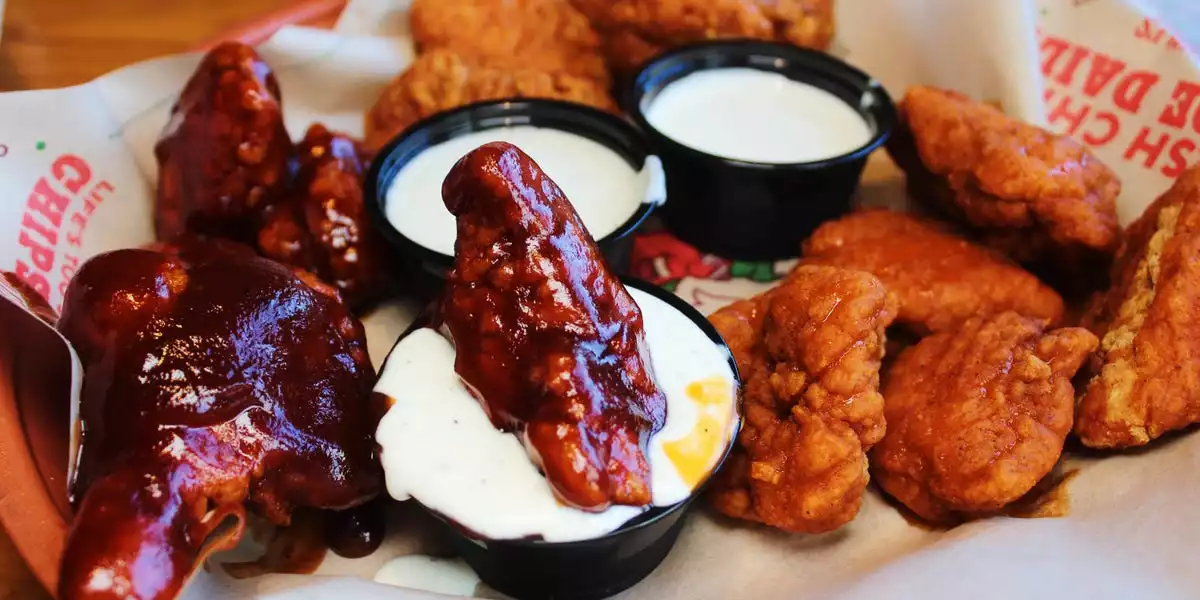

The Boneless Wing Revolution: How Chicken Chains Are Rewriting the Playbook
A simple taste test—five chains, one plate of boneless wings—might seem, at first glance, like a whimsical exercise in game-day indulgence. But beneath the surface, the contest between Chili’s, Applebee’s, Buffalo Wild Wings, TGI Fridays, and Wingstop reveals a seismic shift in the American casual-dining landscape. The humble boneless wing, once a novelty, has become a crucible for innovation, supply-chain resilience, and digital transformation.
From Bone-In to Boneless: The Economics of Protein and Perception
The migration from traditional bone-in wings to their boneless counterparts is more than a matter of taste. It’s a strategic response to volatile commodity markets and evolving consumer preferences. USDA data shows that while “whole wing” prices have retreated from their pandemic-era highs, they remain stubbornly elevated—about 35% above the pre-pandemic average. For chains, this volatility is a risk; for consumers, it’s a sticker shock.
Boneless wings, crafted from breaded chicken breast, offer a solution. They tap into a deeper, more stable supply pool, insulating operators from the whiplash of spot-market pricing. This shift is not lost on industry leaders. As convenience stores and quick-service upstarts—think 7-Eleven’s “Wing Bar”—muscle into the space, the ability to source breast meat flexibly has become a competitive imperative.
But economics is only half the story. Portion optics and flavor innovation are the new battlegrounds. Chili’s, crowned the taste-test victor, leverages its “Triple Dipper” bundle to communicate abundance and value, countering inflation’s bite. In contrast, Buffalo Wild Wings’ smaller portions—perceived as “nuggets” rather than wings—underscore how visual cues can erode brand equity, regardless of legacy.
Kitchen Automation and Digital Engagement: The New Frontiers
Behind the swinging kitchen doors, a technological arms race is underway. Chains like Chili’s and Applebee’s are piloting automated breading tumblers and ventless fryers, shaving 18% off prep times and reducing labor variance. These innovations, while invisible to the diner, are critical for consistency and cost control—especially as taste-test culture, amplified by social media, leaves little room for error.
The digital dimension is equally transformative. Wingstop, the category’s digital native, now sees 65% of its sales flow through first-party apps, capturing more than 30 million flavor-preference data points annually. This trove of “flavor data” powers algorithmic launches of limited-time offers, driving same-store sales growth at a pace that outstrips full-service rivals. The ability to micro-segment and personalize is no longer a luxury; it’s a necessity.
Virtual brands and ghost kitchens add another layer of complexity—and opportunity. Brinker International’s “It’s Just Wings” virtual brand, built atop underutilized Chili’s kitchens, has blossomed into a $170 million run-rate business. The taste-test validation of Chili’s boneless wings only strengthens the halo effect for such digital extensions, blurring the lines between physical and virtual dining.
Strategic Divergence: Full-Service vs. Category Specialists
The boneless wing’s ascent has catalyzed a strategic split within the industry. Full-service chains like Chili’s, Applebee’s, and TGI Fridays must balance the in-restaurant experience with the surging demand for off-premise dining. Their sprawling footprints allow for multi-menu bundles and experiential dining, advantages that ghost-kitchen competitors cannot easily replicate.
Category specialists such as Wingstop, with their streamlined SKUs and digital prowess, enjoy superior throughput and margin efficiency. But this model carries its own risks—chiefly, a heavy reliance on a single protein. Wingstop’s experiments with chicken sandwiches and kitchen robotics are clear hedges against this concentration.
Buffalo Wild Wings, meanwhile, finds itself at a crossroads. The traditional sports-bar model, once buoyed by communal viewing, is losing ground as consumers migrate to home-based streaming. Underperformance in boneless wing perception—both in portion and quality—signals an urgent need for menu and process reinvention.
The Road Ahead: Data, Automation, and the Battle for Brand Relevance
The boneless wing is no longer a mere menu filler; it is a platform for data acquisition, supply-chain agility, and brand differentiation. Chains that treat it as an afterthought risk ceding ground to those who recognize its strategic potential.
- Protein portfolio hedging will become standard, with chains leveraging AI-driven forecasting and commodity-hedging tools to navigate market volatility.
- Kitchen automation—from smart breading stations to IoT oil sensors—will separate the operational leaders from the laggards, unlocking both cost savings and consistency.
- Data-driven flavor innovation will define the winners, as chains translate app-level insights into rapid R&D cycles and cross-licensed sauce collaborations.
- Off-premise ecosystem consolidation will intensify, with ghost kitchens and delivery platforms seeking deeper integration with brands that own high-frequency, shareable menu items.
Above all, the battle for consumer trust will hinge on transparency—portion size, nomenclature, and even augmented-reality menu previews. In a world where inflation remains sticky and social media amplifies every misstep, clarity and authenticity are the new currency.
The boneless wing, then, is not just a snack. It is the tip of the spear in a broader transformation—one that touches supply chains, digital engagement, and the very nature of the dining experience. For executives, investors, and diners alike, the message is clear: the future of chicken is boneless, data-driven, and anything but ordinary.

 By
By
 By
By


 By
By

 By
By
 By
By







