


The Quiet Sunset: Belkin’s Exit and the New Economics of the Smart Home
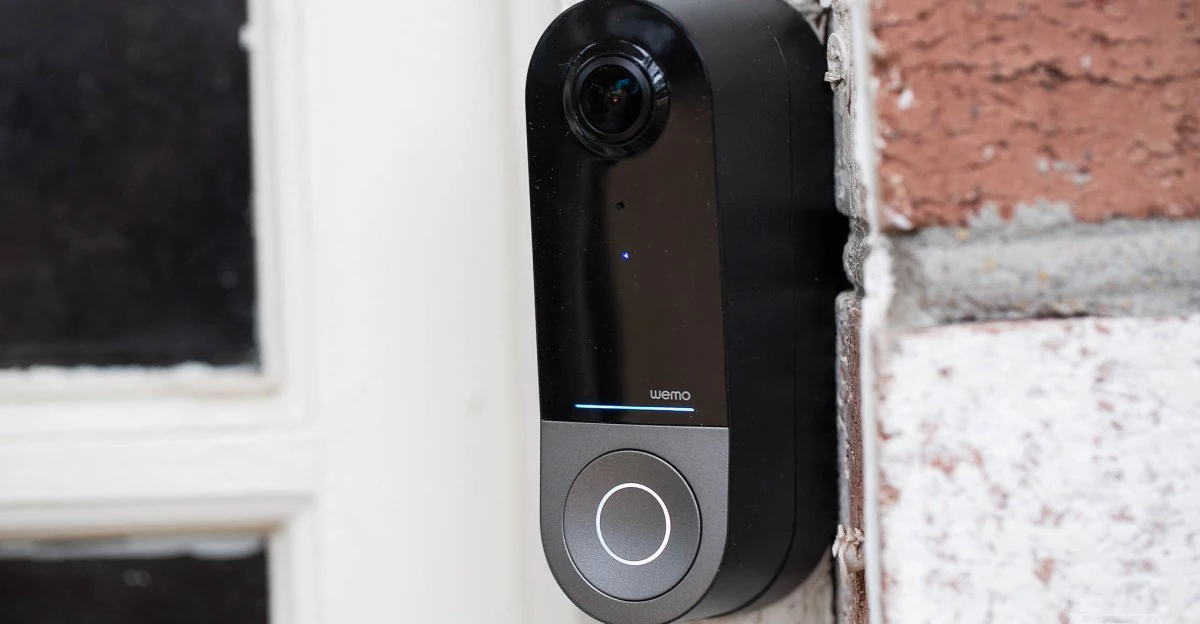
In the world of connected living, the promise of seamless automation has always been shadowed by a less glamorous reality: the persistent cost and complexity of keeping millions of low-margin devices alive, secure, and compliant. Belkin’s recent decision to sunset cloud services, app updates, and technical support for most Wemo smart-home devices by January 2026 is more than a product announcement—it is a bellwether for the entire smart-home industry, signaling a decisive shift in how value, risk, and longevity are calculated in the age of ubiquitous IoT.
From Ambition to Retrenchment: The Strategic Calculus Behind Belkin’s Move
Belkin’s retreat is not merely a reaction to shifting consumer preferences; it is a calculated response to the economic and regulatory headwinds buffeting the smart-home sector. As a subsidiary of Foxconn Interconnect Technology, Belkin operates under a mandate that increasingly prioritizes margin discipline over expansion at any cost. The decision to shutter a cloud infrastructure that never yielded subscription revenue is emblematic of a broader industry pivot—one that prizes sustainable cash flow over the pursuit of total addressable market (TAM) at any price.
- Cloud Shutdown: The end of remote access, Alexa/Google integration, and firmware updates means that Wemo’s cloud-dependent devices will soon become islands, cut off from the broader digital ecosystem.
- Warranty Concession: The offer of partial refunds for in-warranty devices post-support is a tacit acknowledgment of a calculated write-down, a rare but telling move in consumer electronics.
- Thread & HomeKit Survival: Only a handful of Thread-enabled SKUs—and any Wemo devices already paired with Apple HomeKit—will retain full functionality, but only through Apple’s local, privacy-centric architecture.
This strategic contraction follows Belkin’s earlier withdrawal from the Matter standard, underlining the mounting challenges of multi-protocol interoperability and the slow maturation of Thread/Matter silicon and certification tooling. The unspoken message: in a market where brand differentiation is thin and compliance costs are rising, the economics of mass-market smart-home hardware no longer add up.
The Regulatory Squeeze and the Rise of Local Control
The timing of Belkin’s exit is not coincidental. The regulatory environment for consumer IoT is tightening, with GDPR, CCPA, and the impending EU Cyber-Resilience Act raising the bar for data protection, patch delivery, and incident disclosure. By 2026, continuous software support will be a legal requirement in Europe—a mandate that few peripheral vendors can afford at sub-$40 price points.
- Edge-First Momentum: Apple’s HomeKit demonstrates that local-only control—once a niche feature—is now a competitive advantage, offering lower latency, greater privacy, and enhanced resiliency.
- Cloud Liability: Maintaining a consumer IoT cloud stack has become a latent liability, especially as insurers and property developers begin to quantify the “firmware orphan” risk in their total cost of ownership models.
Belkin’s move to preserve HomeKit-paired devices, effectively outsourcing security and voice processing to Apple, is a pragmatic embrace of the edge-computing future. It also reflects a growing bifurcation in the smart-home landscape: cloud-centric ecosystems (Amazon, Google) versus on-premises, privacy-first architectures (Apple, open-source Thread platforms).
Ecosystem Shocks and the Search for Durable Value
The repercussions of Belkin’s withdrawal will ripple far beyond its own product line. Big-box retailers, already wary of SKU proliferation and support liabilities, may accelerate the rationalization of long-tail IoT accessories, favoring vendors with proven multi-year support or viable subscription models. For smaller, open-source-focused entrants, the narrative shifts in their favor—device longevity and user sovereignty are no longer fringe concerns but central selling points.
- Platform Power Re-Centralization: Apple’s ecosystem, already dominant in higher-income households, stands to gain as users migrate toward platforms with demonstrated commitment to privacy and support.
- Investor Outlook: The undifferentiated smart plug and bulb market is poised for further contraction. Capital will increasingly flow to verticals—energy management, elder care—where ongoing SaaS revenue can underwrite the true cost of lifecycle support.
- Regulatory and ESG Pressures: With the EU poised to mandate five- to ten-year software support, and e-waste metrics entering ESG scorecards, the industry faces mounting pressure to design for durability and recyclability.
The New Smart Home: Infrastructure, Not Accessory
Belkin’s sunset is not an isolated retrenchment but a harbinger of a broader industry reckoning. The era of cheap, disposable IoT is drawing to a close, replaced by a new paradigm in which device longevity, regulatory compliance, and customer trust are the true currencies of value. As platform power recentralizes around those capable of underwriting multi-decade support—whether through subscriptions or edge-first architectures—the smart home is quietly transforming from a fragmented accessory market into a durable infrastructure play. The winners will be those who recognize that in the connected home, the real challenge is not invention, but endurance.

 By
By
 By
By

 By
By
 By
By
 By
By

 By
By







