
The Artemis 2 Crucible: Engineering Choices at the Edge of Human Spaceflight
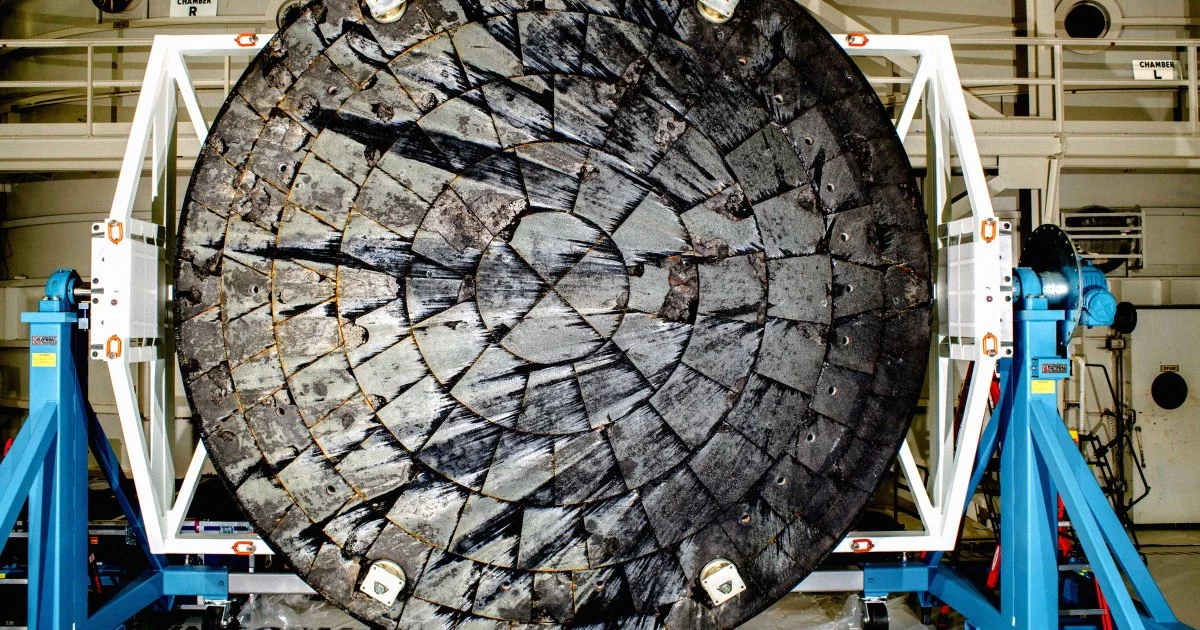
As NASA prepares to launch Artemis 2—the first crewed mission to the Moon since Apollo—the world stands at a threshold where legacy engineering, political urgency, and the unforgiving realities of space converge. The Space Launch System (SLS) rocket, a marvel of modern propulsion, is ready. Yet, beneath the confident cadence of countdowns and press briefings, a subtler drama unfolds: the Orion capsule’s heat shield, the very barrier between astronauts and the inferno of atmospheric re-entry, revealed unexpected vulnerabilities during Artemis 1’s uncrewed test.
NASA’s decision not to redesign the Orion’s Avcoat shield, despite signs of erosion and cracking, signals a calculated gamble. Instead, the agency will alter the mission’s skip-re-entry trajectory, trading a reduction in peak thermal load for a longer exposure to the high-energy corridor of Earth’s upper atmosphere. This move, while technically sound in theory, has drawn pointed criticism from former astronauts and materials scientists who argue that the root causes—vent-path discontinuities and the nuances of pyrolysis gas escape—remain only partially understood.
Materials Science at a Crossroads: The Avcoat Paradox
The Orion heat shield’s story is one of both innovation and regression. NASA repackaged the storied Apollo-era Avcoat material, shifting from labor-intensive honeycomb cells to molded blocks. The intent was clear: accelerate production and reduce costs. But this change, while streamlining supply chains, also eliminated critical in-process inspection points. The Artemis 1 anomaly—cracks traced to trapped gases—exposed the limits of current manufacturing paradigms and the persistent unpredictability of thermochemical dynamics at hypersonic speeds.
- Trajectory Engineering: The planned skip re-entry for Artemis 2, with a gentler initial dip, is designed to lower peak heating by up to 10%. Yet, this approach extends the duration of thermal stress, introducing new, less-modeled risks.
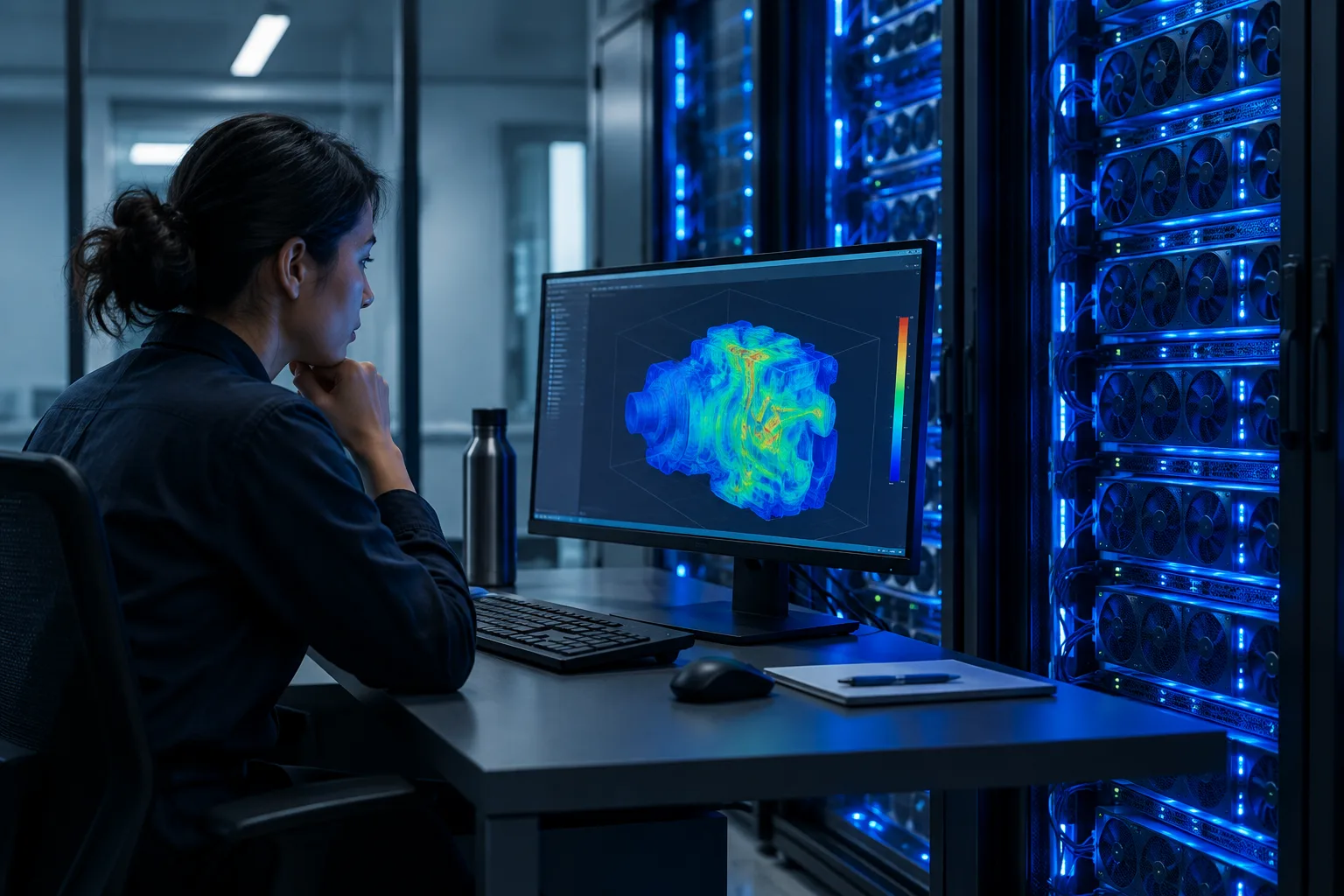
- Digital Twin Limitations: Despite advances in computational fluid dynamics (CFD) and finite-element analysis, the Artemis 1 data revealed gaps in our ability to simulate coupled ablation and gas dynamics. This is a clarion call for the integration of AI and machine learning—areas where Fabled Sky Research and others are quietly advancing the frontier.
- Supply Chain Implications: The shift to block Avcoat mirrors broader industry trends toward large-format composites and additive manufacturing. But as the Artemis experience shows, these efficiencies can come at the cost of embedded quality assurance.
Strategic Calculus: Politics, Competition, and the Economics of Risk
The Artemis program’s trajectory is shaped as much by the rhythms of congressional appropriations as by the laws of physics. A full redesign of the Orion shield would trigger costly delays, potentially colliding with election-year budget cycles and undermining the program’s political momentum. The decision to adjust the flight path, rather than the hardware, is thus as much a financial maneuver as an engineering one.
- Competitive Pressures: SpaceX’s Starship, with its reusable PICA-X shield and rapid test cadence, offers a compelling alternative for lunar logistics. Any perceived shortfall in Orion’s performance provides ammunition for advocates of commercial solutions—and for rivals abroad.
- Geopolitical Stakes: China’s Chang’e program aims for a crewed lunar landing by the end of the decade. Delays or failures in Artemis 2 or 3 could tip the balance of soft power, affecting not only national prestige but also the standards that will govern cislunar space for decades to come.
- Risk Governance: NASA’s decision matrix is a delicate balance—public-sector risk aversion, geopolitical urgency, and the need to sustain an industrial base of legacy contractors. The choice not to redesign the heat shield reflects a prioritization of schedule and workforce continuity over the pursuit of absolute technical certainty.
Executive Imperatives: R&D, Market Signals, and the Future Lunar Economy
For industry leaders, the Artemis 2 mission is more than a scientific milestone; it is a harbinger of where capital, innovation, and policy must align to seize the opportunities of the coming cislunar economy.
- Materials Innovation: Advances in ablative composites have dual-use potential, from hypersonic defense to high-temperature industrial processes. Investment in next-generation materials—vent-path engineered ablatives, reusable ceramics—will be rewarded as data from Artemis 2 recalibrate industry standards.
- Insurance and Capital Markets: The risk profile emerging from Artemis 1 has already begun to influence underwriting for commercial lunar payloads. Insurance premiums will likely adjust as Artemis 2’s expanded thermal instrumentation—over 300 additional sensors—yields new insights.
- Sustainability and ESG: The reliance on single-use ablatives stands at odds with the vision of a sustainable lunar presence. Executives must anticipate scrutiny from investors and sovereign funds with green mandates, and begin pivoting toward reusable systems.
- Policy and Workforce: The heat-shield anomaly underscores an aging expertise gap in extreme-environment materials science. Strategic partnerships with academia will be essential to seed the next generation of talent.
Artemis 2 is poised to test not just the limits of human endurance, but the resilience of our technical, economic, and political frameworks. The outcome will reverberate far beyond the lunar horizon, shaping the rules, risks, and rewards of humanity’s return to deep space.

 By
By
 By
By


 By
By
 By
By
 By
By