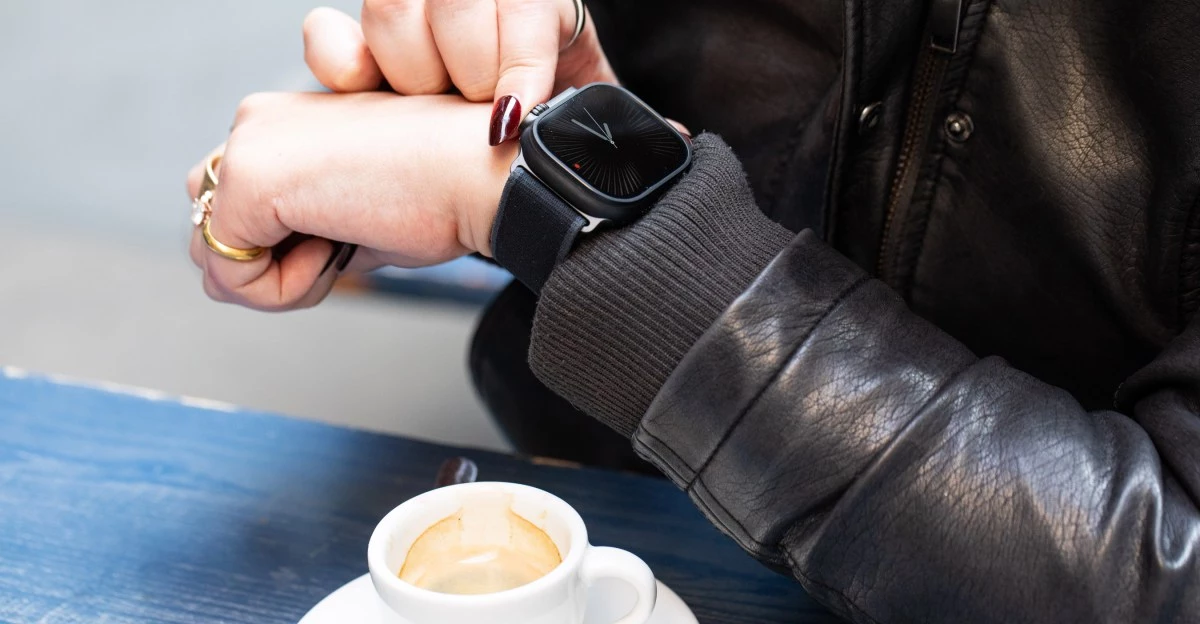

The Apple Watch Ultra 2’s Price Plunge: A Calculated Play in a Shifting Wearables Market
Apple’s decision to drop the price of its Watch Ultra 2 from $799 to $599 less than two months after launch is a move that reverberates well beyond Black Friday sales cycles. This is not a distress signal from Cupertino, but a nuanced maneuver in a market where discretionary spending is under siege from inflation, and the pace of hardware innovation is intentionally decelerating. For industry watchers and enterprise decision-makers, the implications are as layered as the device’s own silicon.
Key Takeaways:
- 25% price cut on a flagship within weeks of launch
- Incremental hardware updates forecast for Ultra 3
- Strategic channel management amid inflation and inventory pressures
Silicon Plateau, Gesture Futures, and the New Ambient Paradigm
At the heart of the Ultra 2’s evolution is Apple’s S9 SiP, a chip that—while not revolutionary—ushers in a new era of on-device intelligence. The 4-core Neural Engine enables the much-touted “double-tap” gesture, a micro-interaction that sidesteps the screen entirely. This is Apple’s first foray into commercial neural-gesture control, and it signals a future where wearables, and perhaps all personal devices, become less about touch and more about ambient, context-aware interaction.
- S9 SiP: 30% faster GPU, enabling local AI inferencing for gestures
- Display: 3,000-nit LTPO OLED, optimized for outdoor readability—critical for adventure and fitness markets
- Battery: Still capped at ~36 hours, reflecting the hard limits of lithium-ion chemistry
The Ultra 2’s hardware—brighter, smarter, but not fundamentally different—reflects a deliberate shift in Apple’s cadence. The forthcoming Ultra 3 is rumored to add satellite SOS messaging and marginal battery optimization, but these are evolutionary, not revolutionary, steps. The innovation spotlight is shifting from hardware to the software and services layers, with gesture-based computing as the next frontier.
Market Dynamics: Price Signaling, ASP Management, and the Circular Economy
The $599 Black Friday price is not a fire sale; it’s a carefully orchestrated signal. Apple, famous for defending its margins, is likely sharing the cost of this promotion with retail partners. The goal: accelerate sell-through, clear inventory ahead of the Ultra 3, and maintain unit share as consumers grow more price-sensitive.
- ASP (Average Selling Price) Management: Willingness to flex margin to protect unit volume
- Secondary Market Impact: Lower new-device prices depress resale values, nudging early adopters to upgrade or hold, and smoothing the transition to the next generation
- Circular Economy: Trade-in and refurbished channels tighten as price floors drop, reinforcing Apple’s ecosystem lock-in
The move also sets a new psychological anchor for premium wearables. A $599 “halo” product recalibrates consumer expectations, challenging competitors like Garmin and Samsung to justify their own pricing or accelerate sensor innovation.
Strategic Implications: Ecosystem Entrenchment and the Next Wave of Wearable Computing
Apple’s incremental approach is not a sign of stagnation, but a calculated strategy to deepen ecosystem entrenchment. Gesture controls, satellite connectivity, and new health metrics accrue their full value only within Apple’s vertically integrated universe—raising switching costs for high-value fitness enthusiasts and enterprise clients alike.
For Decision-Makers:
- Ambient Interaction: The double-tap gesture is a harbinger of post-touch interfaces. Enterprises and OEMs should invest now in on-device neural processing to avoid future dependence on cloud-based AI APIs.
- Satellite Connectivity: As Apple commoditizes emergency satellite SOS, telcos and IoT providers must prepare for price compression and seek differentiated, value-added services.
- Pricing Elasticity: The new $599 anchor point will force competitors to rethink both their sensor roadmaps and service bundling strategies.
- Extended Upgrade Cycles: With only incremental updates expected, suppliers and enterprise buyers can plan for longer depreciation schedules and more predictable procurement.
- Health Data Regulation: As Apple expands biometric tracking, evolving EU and U.S. regulations on health-data portability will require robust, modular compliance architectures.
- Enterprise Wellness: Sub-$600 pricing opens the door for corporate wellness programs to integrate premium wearables at scale, leveraging Apple’s precedent for volume negotiations.
Apple’s Watch Ultra 2 discount is less about clearing shelves and more about shaping the future of wearables—where ambient intelligence, ecosystem loyalty, and strategic pricing converge. For hardware strategists, component suppliers, and enterprise planners, the signals are clear: the next era of wearable technology will be defined not by annual hardware leaps, but by the subtler, more pervasive integration of intelligence and interaction.

 By
By
 By
By

 By
By
 By
By
 By
By

 By
By