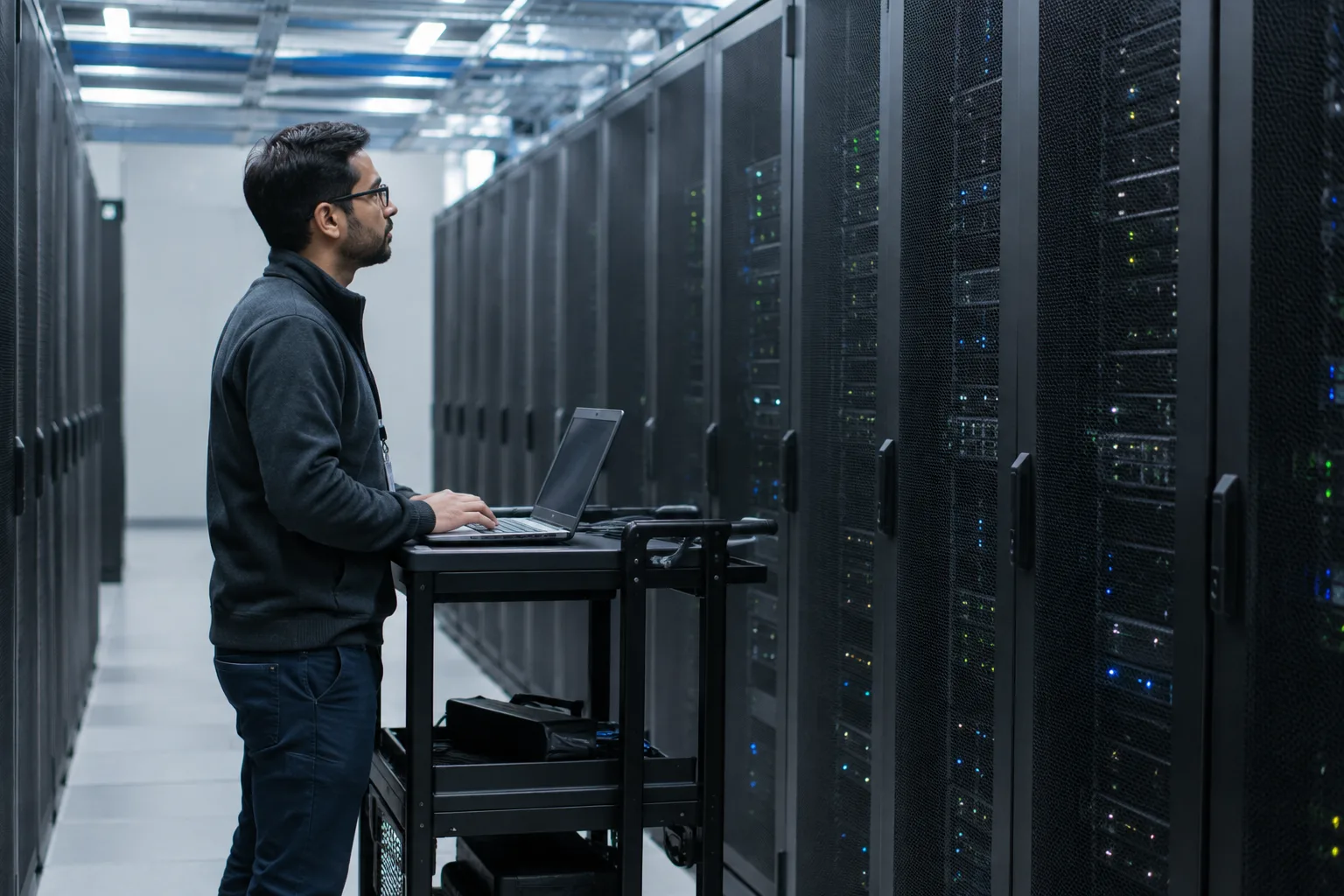

Apollo and Goldman Sachs said on November 20 that they priced approximately $44 billion of senior and subordinated notes to fund GPUs and related equipment for SpaceX’s terrestrial compute buildout, with deliveries of NVIDIA Vera Rubin systems expected in the first half of 2027 and lease schedules set to begin when the hardware arrives. Apollo described it as the largest GPU financing executed to date, and Reuters independently reported the same size, the oversubscription and upsizing, the Vera Rubin equipment and the H1 2027 delivery timeline. That makes this more than another big AI headline: it is a concrete sign that compute capacity is being financed like infrastructure.
The practical question for cloud, data-center and capital-markets readers is not whether $44 billion sounds large. It is who is actually taking the risk when AI hardware is funded through structured notes and leases, and what has to be true at the site level for those GPUs to earn their cost before they are overtaken by the next chip cycle.
What was actually priced
In the Apollo and Goldman announcement, the firms said funds and affiliates managed by Apollo and Goldman committed the financing. Funds and accounts managed by BlackRock, Goldman Sachs Asset Management and capital accounts advised by KKR supplied anchor commitments. Goldman served as sole structuring agent, while Apollo Global Securities and Goldman were co-global coordinators.
That roster matters because it shows a market forming around AI capacity. SpaceX gets access to a very large block of hardware for a terrestrial compute expansion without simply paying for every server as a conventional balance-sheet purchase. Apollo and Goldman get to package investor capital against equipment and lease cash flows. NVIDIA benefits from a large committed order for next-generation gear. Large asset managers get exposure to AI infrastructure without directly operating a data center.
The missing step is just as important: this is equipment financing, not proof that the underlying compute business is already validated. The announcement does not disclose the coupon, maturities, covenants, collateral package, lease term, residual-value assumptions, data-center locations, power commitments, customer contracts or expected utilization. It does not say how much of the hardware will support SpaceX’s own workloads and how much, if any, could serve outside users.
Reuters also noted that an Apollo affiliate had announced a related plan in October to buy AI chips and server hardware and lease them to SpaceX with roughly $40 billion of total principal payments. Those figures should not be casually added together. The public materials do not establish whether they refer to overlapping layers of the same structure or differently scoped commitments.
The risks that moved — and the ones that did not
The importance of the deal is that it redistributes AI buildout risk instead of eliminating it. Some of the capital burden moves away from the operator and into a financing structure backed by equipment and lease cash flows. That can speed deployment in a market where advanced processors are scarce, expensive and exposed to rapid product cycles.
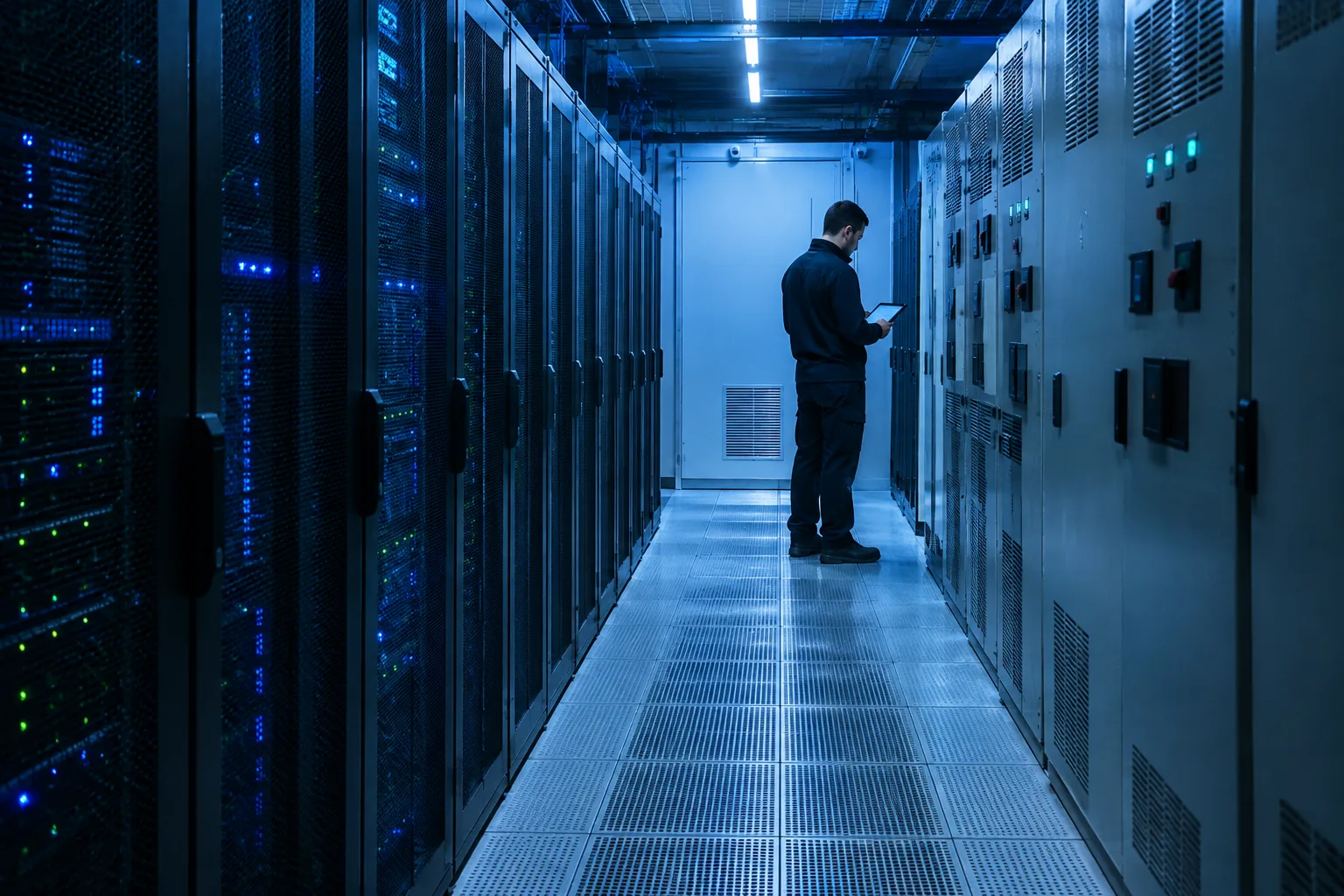
But the core operating risks remain stubbornly physical. GPUs only earn their keep if they are delivered on time, installed, powered, networked and kept busy enough to generate cash before their competitive life fades. A strong order book for securities is not the same thing as strong economics for a data-center site.
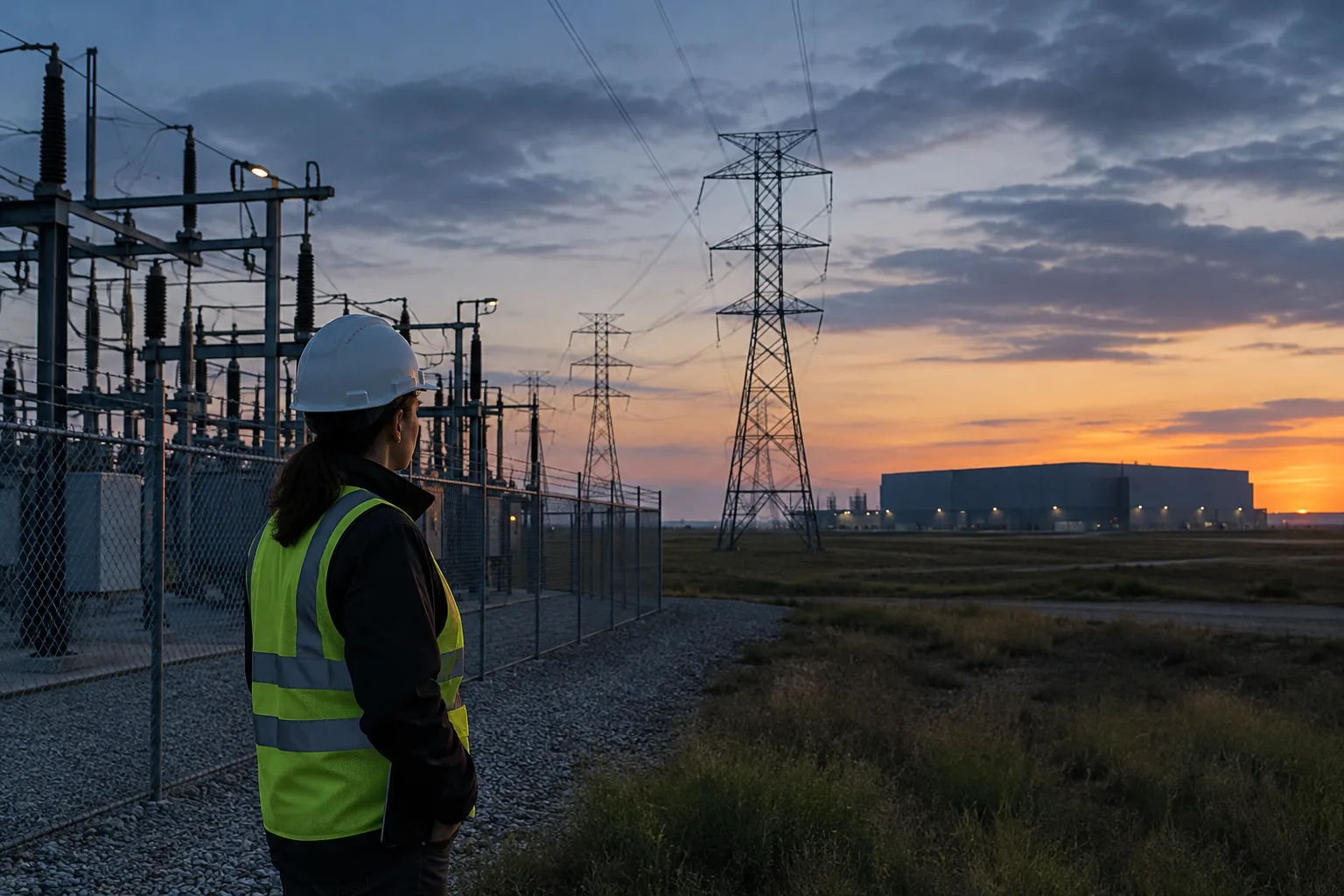
That distinction matters for nearly everyone in the AI supply chain. Cloud and colocation operators are watching to see whether structured capital can help them expand faster. Chip buyers are watching for signs that financing vehicles will compete with direct purchasers for scarce supply. Infrastructure lenders and institutional investors are testing whether GPU fleets can be underwritten more like aircraft, telecom towers or energy equipment. Energy planners and utilities care because the financing only becomes real compute if sites have power, interconnect and reliable uptime.
The senior-and-subordinated format suggests that different investors are being offered different levels of exposure, but the public release does not reveal how losses would be allocated if utilization disappoints or the hardware ages faster than expected. Nor does it say how much recourse there is to SpaceX, what protections senior noteholders receive, or how easily the equipment could be redeployed or resold. Those are not technical side issues. They are the economics.
The diligence questions that matter
For readers trying to judge whether this is a template or a one-off, the most useful lens is a checklist.
First, how firm are the delivery and lease-start milestones? The notes were priced now, but lease schedules are expected to begin only when the GPUs and related equipment are delivered in the first half of 2027. Any slippage between financing, delivery and revenue generation changes returns.
Second, who bears the non-chip costs? Power, cooling, networking, staffing, maintenance and replacement can determine whether a seemingly attractive compute lease works in practice. The public documents do not assign those costs.
Third, what utilization supports the lease? Oversubscription shows investor appetite for the securities. It does not show contracted customer demand for the compute output, and it does not prove that financed sites will run at levels high enough to cover lease payments and operating expense.
Fourth, how fast can the hardware become economically outdated? The deal is built around NVIDIA Vera Rubin equipment, which today reads as a strength because it secures next-generation supply. It is also a reminder that the asset being financed has a shorter and less predictable useful life than traditional infrastructure. If replacement cycles compress, residual-value assumptions become critical.
Finally, how concentrated is the risk? The public release frames the buildout around SpaceX as operator and lessee. Without fuller documentation, readers cannot tell how dependent the structure is on a single operator, how much flexibility the hardware has outside that ecosystem, or whether the financiers have meaningful protection if the deployment plan changes.
That is why this financing matters even before a single rack is energized. It is the clearest current example of private credit and structured finance moving into the AI supply chain at true infrastructure scale. If it works, more cloud and data-center projects will try to copy the model, potentially loosening a capital bottleneck that has constrained compute deployment. If it does not, the lesson will be just as important: abundant capital can accelerate hardware orders, but it cannot rescue weak site-level economics, missing power or underused GPUs.
 By

 By

 By
 By

 By