
The New Science of Eating: Gut Microbiome, Inflammation, and the Next Frontier in Health Economics
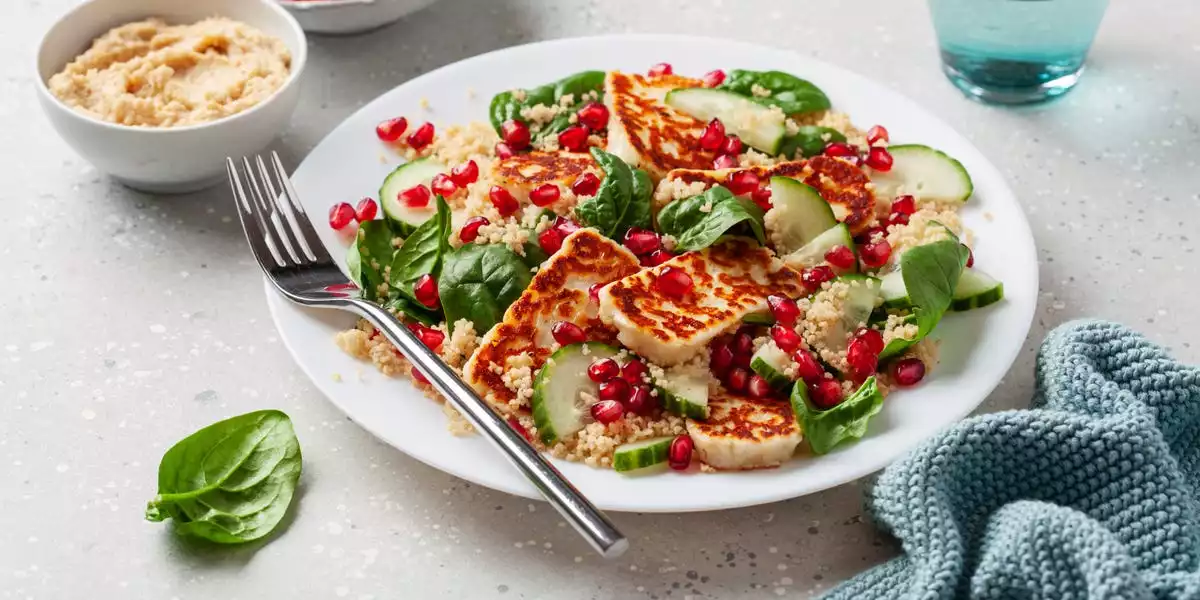
Amy Buckley, a registered dietitian and Ph.D. researcher, has emerged as a thoughtful voice in the evolving discourse on nutrition, chronic inflammation, and the microbiome. Her advocacy for fiber-rich, antioxidant-laden meals—echoing the Mediterranean Diet—may sound familiar to the health-conscious, but beneath the surface lies a deeper, enterprise-shaping transformation. As Buckley’s guidance gains traction with consumers, three tectonic shifts are crystallizing: the scientific validation of “food-as-medicine,” the microbiome’s ascent from obscure curiosity to clinical biomarker and therapeutic target, and a consumer-driven migration toward functional, minimally processed foods.
Sequencing, AI, and the Microbiome: The New Arsenal in Nutrition Science
The convergence of nutrition science, microbiome analytics, and digital health is nothing short of revolutionary. The cost of whole-genome sequencing for gut flora has plummeted to under $100 per sample, democratizing access to population-scale studies that once seemed the province of elite research labs. This technological leap enables researchers to map the intricate interplay between dietary patterns and inflammatory pathways, providing the empirical backbone for what Buckley and her peers have long intuited.
Machine learning is now at the vanguard, parsing vast datasets of dietary intake, metabolomic profiles, and clinical outcomes to predict inflammatory load with a degree of accuracy once thought unattainable. These algorithmic models are not mere academic curiosities—they are the scaffolding for next-generation meal planning, insurance-linked dietary interventions, and even precision-formulated foods.
Meanwhile, the food tech sector is harnessing fermentation and synthetic biology to engineer fibers and post-biotic compounds that nurture beneficial gut bacteria. The promise: to distill Buckley’s food-based wisdom into patented, shelf-stable ingredients that can be seamlessly integrated into consumer packaged goods (CPG). And as voice and vision interfaces mature, frictionless meal-logging—powered by computer vision and conversational AI—removes the last barrier to large-scale, personalized nutrition.
Markets in Motion: Chronic Disease, Functional Foods, and Regulatory Shifts
The economic stakes are staggering. Chronic inflammation, often mediated by poor diet, is implicated in a spectrum of costly diseases—cardiovascular, oncologic, neurodegenerative—that together drive over $600 billion in U.S. healthcare expenditure annually. Even incremental improvements in dietary or microbiome-targeted interventions represent a multi-billion-dollar opportunity for payors, providers, and employers.
Consumer appetite for functional foods is surging. NielsenIQ data reveal that shoppers are willing to pay two to three times more for products labeled “anti-inflammatory” or “gut-healthy.” This premiumization is breathing new life into otherwise commoditized categories, from pasta sauces to snack bars. Regulatory winds are also shifting: recent FDA draft guidance on “Dietary Guidance Statements” lowers the evidentiary bar for front-of-pack claims related to fiber and whole grains, further accelerating commercialization for companies able to substantiate anti-inflammatory properties.
Strategic Pathways: From Formulation to Personalization
The implications for industry stakeholders are profound and multifaceted:
- Consumer Packaged Goods: Reformulation is the watchword. Replacing saturated fats with extra-virgin olive oil, integrating resistant-starch flours, and divesting ultra-processed lines will be crucial as sugar-and-fat taxation looms.
- Healthcare and Insurance: The integration of continuous glucose monitors with microbiome testing can yield real-time inflammatory scores, potentially reimbursed under preventative care. Outcome-based contracting—linking premium discounts to reductions in biomarkers like CRP—transforms nutrition from a wellness aspiration to a quantifiable health intervention.
- Biotech and Digital Health: Intellectual property is coalescing around strain-specific prebiotic fibers and synbiotic formulations that upregulate short-chain fatty acid (SCFA) production, a key anti-inflammatory pathway. Combining gut-flora data with electronic health records and wearable signals creates proprietary models attractive for M&A.
- Foodservice and Hospitality: “Anti-inflammatory” is poised to become the next halo descriptor, capturing wellness-oriented spend with Mediterranean-inspired menus and fermented sides.
The forward-looking horizon is equally compelling. FDA and EFSA consensus on inflammation biomarkers will unlock a new era of on-pack claims. Expect alliances between grocers, digital therapeutics, and insurers to deliver prescription-based meal kits, while venture capital migrates toward platforms offering microbiome-validated personalization. The anti-inflammatory food and digital nutrition category is projected to grow at a compound annual rate of 8–10% through 2030, rewarding those who integrate scientific rigor, data capture, and consumer-friendly design.
As Buckley’s insights ripple outward, they signal not just a shift in dietary advice, but a reimagining of how health, technology, and commerce intersect. For executives and innovators, the gut microbiome is no longer a niche curiosity—it is a strategic lever for product innovation, risk mitigation, and sustainable growth in the next era of wellness and healthcare.

 By
By
 By
By


 By
By
 By
By

 By
By